

Paper
Paul Salem
Five months after the end of the war, Lebanon, Israel and the region are still feeling its aftereffects. In Lebanon, the claims of victory were mixed with a sober assessment of the massive socioeconomic losses, and the popular unity during the war was followed by deep division and rising tensions.
Five months after the end of the war, Lebanon, Israel, and the region are still feeling its aftereffects. In Lebanon, the claims of victory were mixed with a sober assessment of the massive socioeconomic losses, and the popular unity during the war was followed by deep division and rising tensions. In Israel, the sense of failure was confirmed with official investigations into the handling of the war, resignations, and political infighting. In the region, popular support for Hizbollah during the war was followed by a more mixed response to its role in the protests that began in December. Syria and Iran also had a mixed response to the war, finding both benefit and loss in its outcome. The U.S. administration also had a mixed reading of the war, feeling that some of its interests had been served and others had been frustrated. Five months after the end of the war, the players are still assessing its effects.
Click on PDF icon above to read the full chapter from a forthcoming book by the Center for Arab Unity Studies.

Senior Fellow at the Middle East Institute
Paul Salem is a senior fellow at the Middle East Institute.
Recent Work
Paul Salem
Paul Salem
Carnegie India does not take institutional positions on public policy issues; the views represented herein are those of the author(s) and do not necessarily reflect the views of Carnegie, its staff, or its trustees.

On March 10, 2026, India’s Union Cabinet approved amendments to Press Note 3, a regulation that mandated government approval on all foreign direct investment (FDI) from countries sharing a land border with India. This amendment raises questions primarily about whether its stated benefits will materialize and if the risks have been adequately weighed. This piece will address the same.

Konark Bhandari
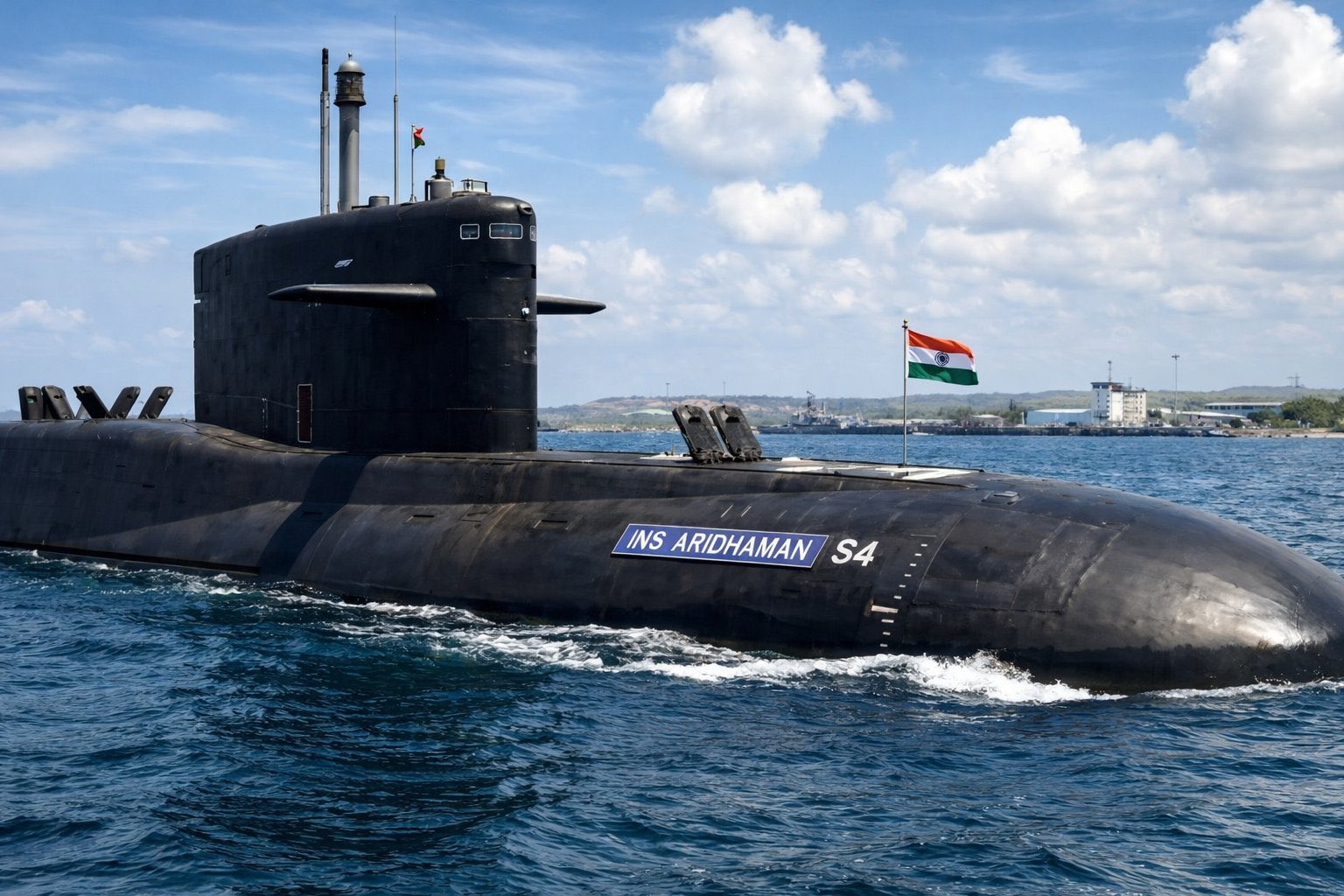
The induction of INS Aridhaman, which features several technological enhancements, now gives India the third nuclear ballistic missile submarine to ensure continuous at-sea deterrent.

Dinakar Peri

This piece argues that the present Indian strategy, based on opportunistic diversification and utilization of limited strategic reserves, remains inadequate when confronting supply disruptions. It evaluates India’s options in the short, medium, and long terms.

Vrinda Sahai

This piece examines India’s response to U.S. sanctions and tariffs, specifically assessing the immediate market consequences, such as alterations in import costs, and the broader strategic implications for India’s energy security and foreign policy orientation.
Vrinda Sahai
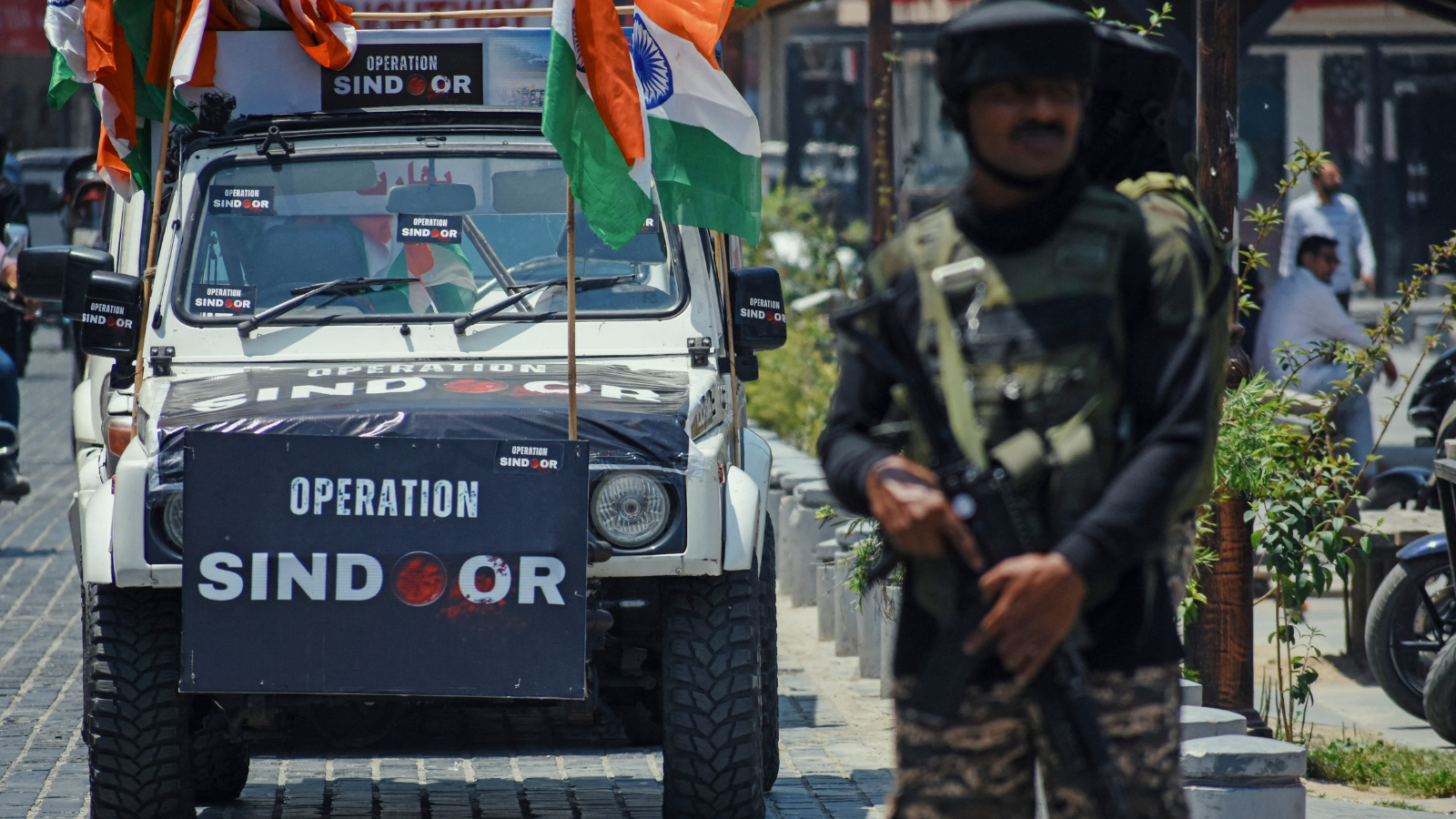
The India-Pakistan conflict that played out between May 6 and May 10, 2025, offers several military lessons. This article presents key takeaways from Operation Sindoor and breaks down how India’s preparations shaped the outcome and what more is needed to strengthen future readiness.
Dinakar Peri