

Paper
Paul Salem

Source: Getty
The decision by the United Nations Security Council to establish a Special Tribunal to try suspects in the assassination of Rafiq Hariri and others under Chapter VII of the U.N. Charter has dramatically raised tensions in Lebanon.
The decision by the United Nations Security Council to establish a Special Tribunal to try suspects in the assassination of Rafiq Hariri and others under Chapter VII of the U.N. Charter has dramatically raised tensions in Lebanon. Security Council Resolution 1757 was adopted on May 30, after Lebanese parliament Speaker Nabih Berri failed to convene the parliament to vote on the tribunal issue. Both Syria and the pro-Syrian opposition opposed the setting up of the tribunal under Chapter VII, claiming it constituted interference in Lebanese internal affairs, and warned that pushing ahead with the decision would bring ‘chaos’ to Lebanon. This fear was echoed by the five members of the Security Council who abstained from the vote, including Russia, China and Qatar.
Click on PDF icon above to read full commentary.
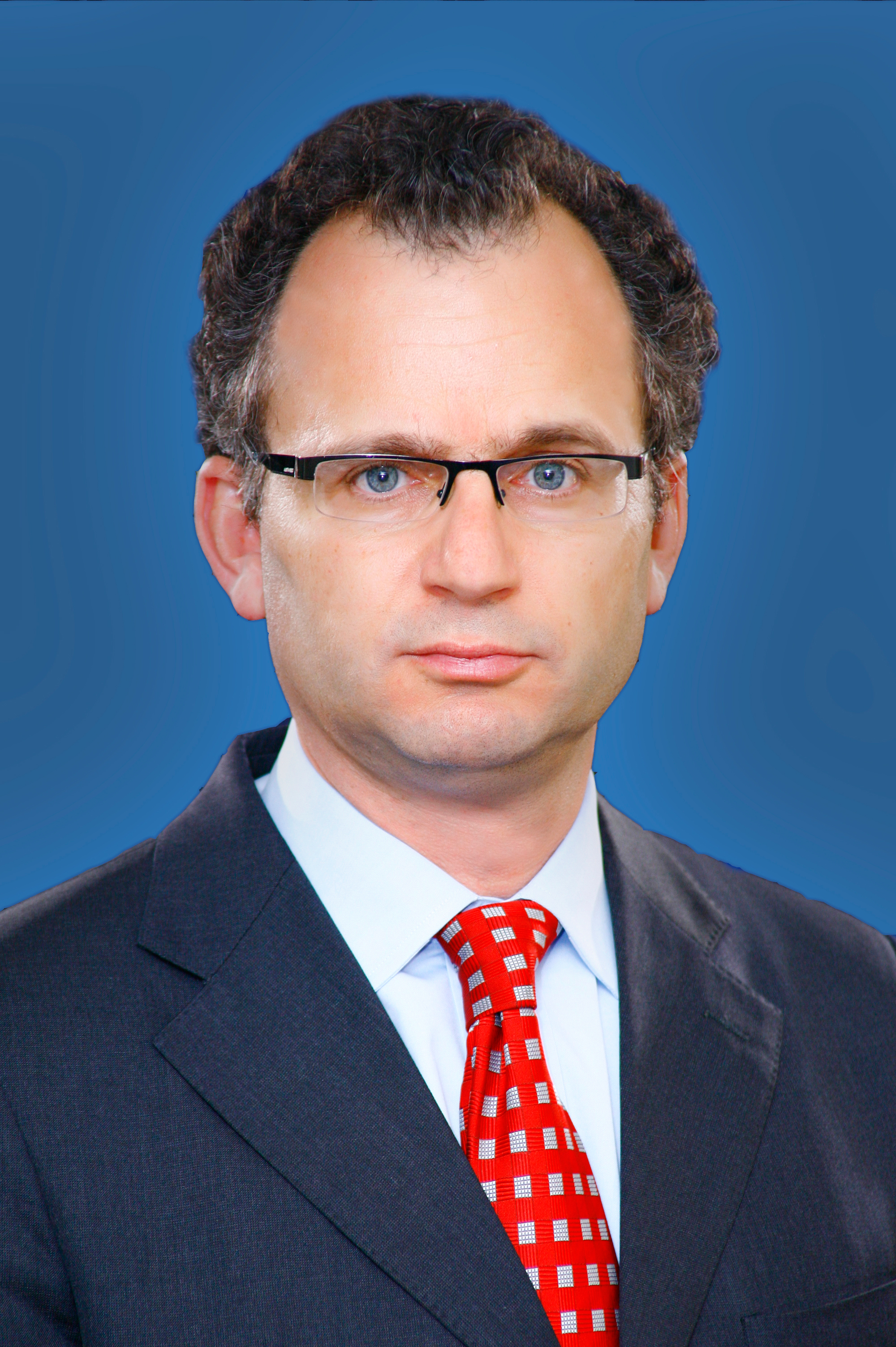
Senior Fellow at the Middle East Institute
Paul Salem is a senior fellow at the Middle East Institute.
Recent Work
Paul Salem
Paul Salem
Carnegie India does not take institutional positions on public policy issues; the views represented herein are those of the author(s) and do not necessarily reflect the views of Carnegie, its staff, or its trustees.

In any defense establishment, change is an ongoing process. However, despite the best of intentions, existing bureaucracies, bound by habit and years of socialization, have their limits in implementing transformative change.

Anit Mukherjee

After the chill in ties between 2020 and 2024 that brought India–China relations to their lowest point in several decades, the two countries have engaged each other afresh. This paper argues that there are predominantly four imperatives guiding India’s approach to China, and they exist in an order of priority.

Saheb Singh Chadha

This piece argues that India’s central challenge is not managing a single flashpoint but resolving the underlying tension between expansion and institutional coherency of the BRICS grouping.

Vrinda Sahai

A partnership between India, a country of subcontinental size, and Africa, a continent of fifty-four countries, may seem asymmetric until one notes that both are home to nearly the same number of people—1.4 billion. This essay spells out the existing challenges to the partnership, its optimal potential, and the possible pathways to realize it over the next quarter-century.

Rajiv Bhatia

The India–EU Free Trade Agreement (FTA) is shaping up to be one of the most consequential trade negotiations, both economically and strategically. But, what’s in the agreement, what’s missing, and what will determine its success in the years ahead
Vrinda Sahai, Nicolas Köhler-Suzuki