• Research
  • About
  • Experts
Carnegie India logoCarnegie lettermark logo
REQUIRED IMAGE

REQUIRED IMAGE

Paper
Malcolm H. Kerr Carnegie Middle East Center

Women in Islamist Movements: Toward an Islamist Model of Women's Activism

Women’s participation in Islamist movements reflects a growing trend toward women’s activism in the Arab world, though quite different from Western norms.

Link Copied
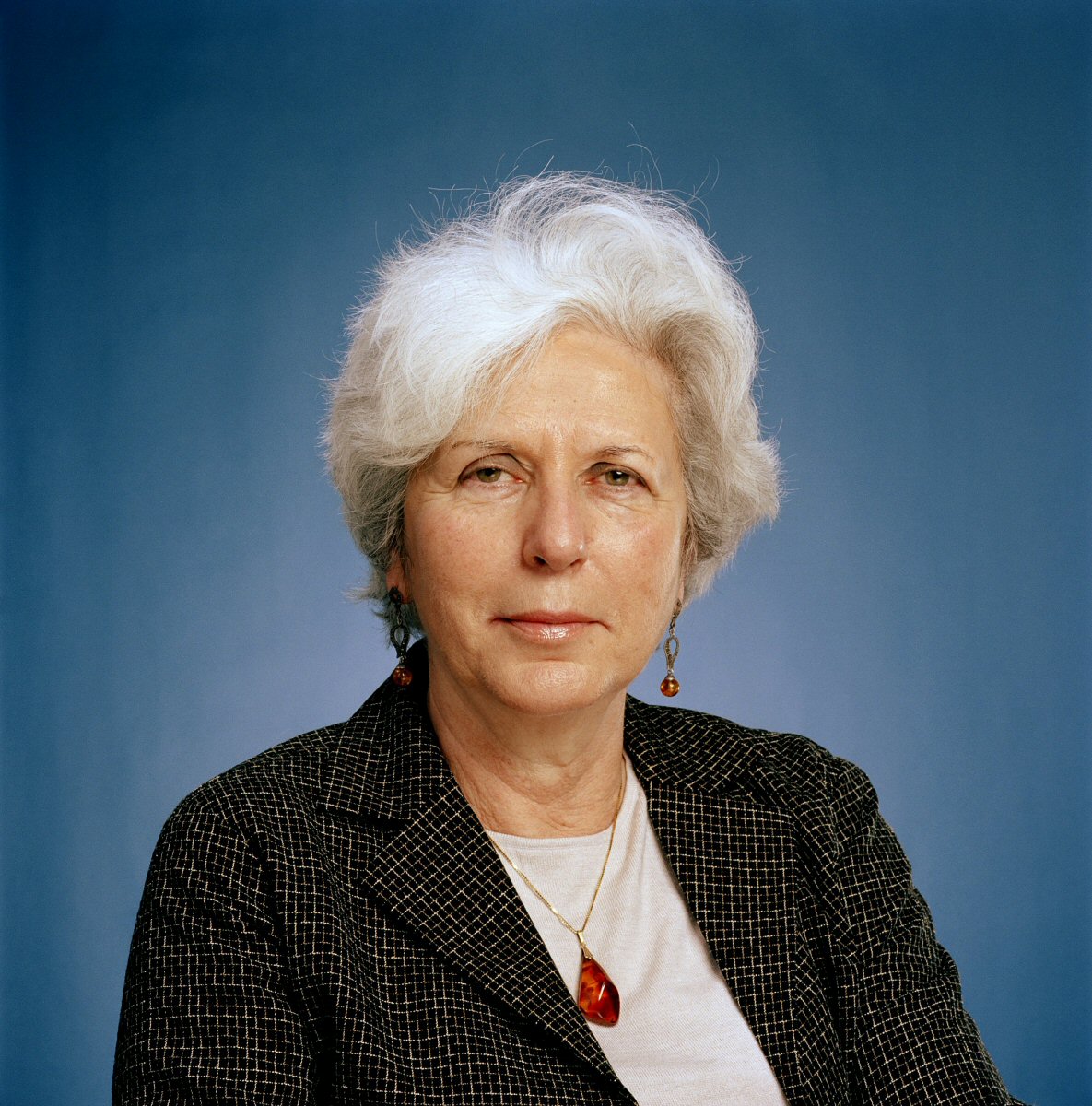
By Omayma Abdel-Latif and Marina Ottaway
Published on Jul 10, 2007

Additional Links

Full Text (PDF)

Source: Carnegie Endowment

Islamist women are increasingly involved in political processes and could spawn a full-fledged Islamist movement for women’s rights, finds a new study by the Carnegie Endowment.   In Women in Islamist Movements: Toward an Islamist Model of Women’s Activism, Carnegie scholars Omayma Abdellatif and Marina Ottaway argue that women’s participation in Islamist movements reflects a growing trend toward women’s activism in the Arab world, though quite different from Western norms. 

Through interviews and conversations with women belonging to Lebanon’s Hizballah, Egypt’s Muslim Brotherhood, and other Islamist organizations across numerous Arab nations, the authors found an energetic debate among women activists on their newfound role as political actors. 

Key findings:

• Islamist women are concerned with the preservation of Islamist values, and as such, deny that they are embracing a Western-style feminist agenda, which they consider a rejection of women’s obligations to family and community.  They do, however, display increased dissatisfaction with their position in Islamist movements, and wish to be seen as potential leaders, not just foot soldiers.

• Islamist movements have depended on women to reach out to all segments of the population, leading to successful engagement in political tasks such as election campaigning, mobilizing members, and electoral monitoring.  As women became active in these movements, they became increasingly aware of their importance and began petitioning for more significant roles as political actors.

• Islamist women argue that Islamic precepts originally did not aim to subjugate women, but were distorted by social and cultural norms that antedated Islam.  In this view, the struggle for women’s rights is a struggle to restore Islam to its original form. 

“Secular women’s nongovernmental organizations (NGOs) led by educated women have only limited outreach outside the urban upper class they come from,” write the authors.  “Islamist movements, in contrast, have proven themselves adept at building a broad following across social classes.  If women activists become more influential, Islamist movements could become important instruments—possibly the most important instruments—for promoting the rights of Arab women.”

Click on icon above for the full text of this Carnegie Paper.

A limited number of print copies of this Carnegie Paper are available.
Request a copy

About the Authors
Omayma Abdellatif is projects coordinator at the Carnegie Middle East Center in Beirut.  She is an expert on Islamist movements and politics of reform.

Marina Ottaway is a senior associate in the Democracy and Rule of Law Program and director of the Carnegie Middle East Program.
 

About the Authors

Omayma Abdel-Latif

Former Research and Program Associate, Middle East Center

Abdel-Latif, formerly the assistant editor-in-chief at Al-Ahram Weekly, has done extensive work on Islamist movements with special emphasis on the Muslim Brotherhood of Egypt.

Marina Ottaway

Former Senior Associate, Middle East Program

Before joining the Endowment, Ottaway carried out research in Africa and in the Middle East for many years and taught at the University of Addis Ababa, the University of Zambia, the American University in Cairo, and the University of the Witwatersrand in South Africa.

Authors

Omayma Abdel-Latif
Former Research and Program Associate, Middle East Center
Marina Ottaway
Former Senior Associate, Middle East Program
Marina Ottaway
EgyptGulfLevantMaghrebMiddle EastPolitical Reform

Carnegie India does not take institutional positions on public policy issues; the views represented herein are those of the author(s) and do not necessarily reflect the views of Carnegie, its staff, or its trustees.

More Work from Carnegie India

  • Article
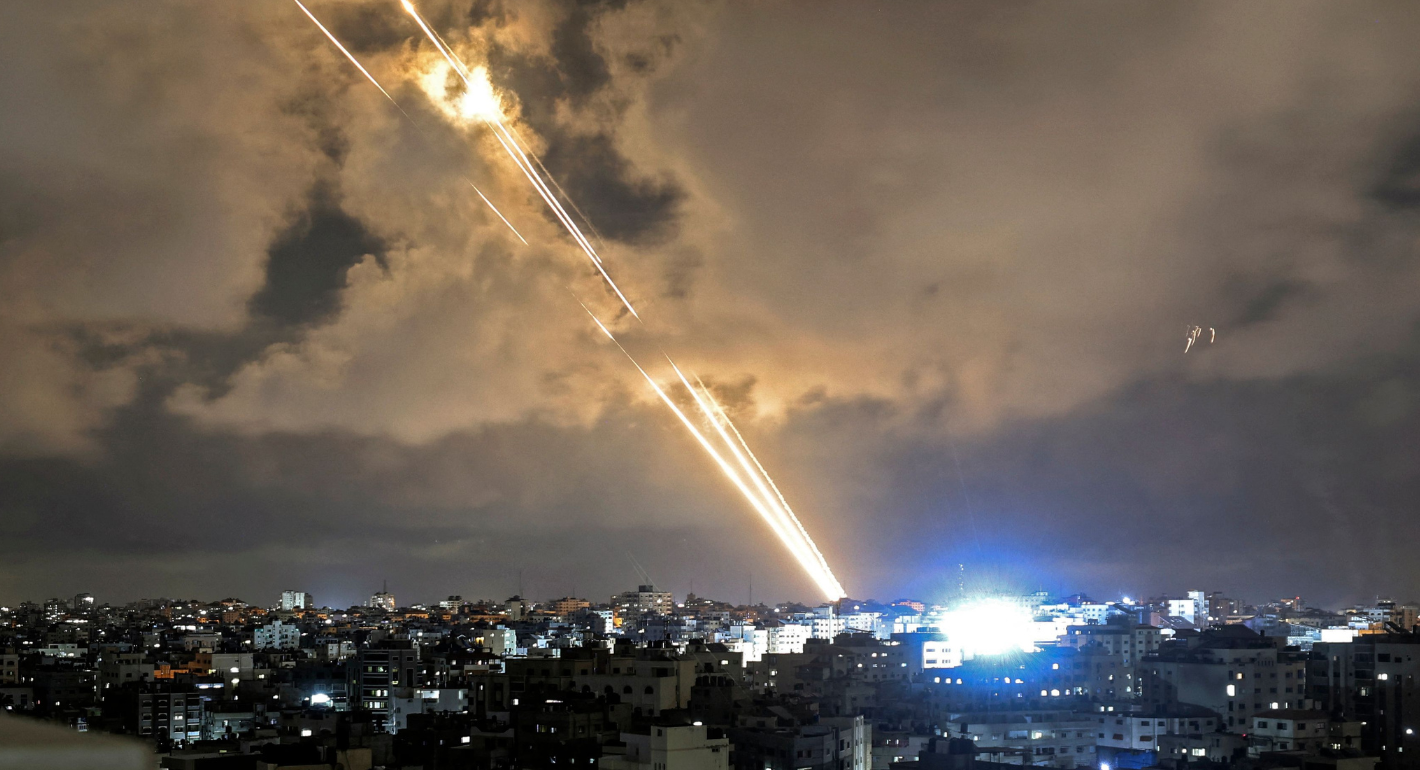
    Risk and Retaliation: Israel, Iran, and the Evolving Situation in West Asia

    An Israeli response to Iran’s October 1 attack is imminent. The key question is of its intensity and potential fallout, both within Iran, in terms of nuclear security policy changes, and across the broader region. The coming days are likely to reshape West Asia irreversibly.

      Gaddam Dharmendra

  • Paper
    India’s Sustained Economic Recovery Will Require Changes to Its Bankruptcy Law

    As India’s economy recovers from the coronavirus pandemic, Indian businesses need efficient financial structures to regain their ground. Key reforms to India’s Insolvency and Bankruptcy Code could fill these gaps.

      Anirudh Burman

  • Paper
    Cross-Border Data Access for Law Enforcement: What Are India’s Strategic Options?

    Access to cross-border data is an integral piece of the law enforcement puzzle. India is well placed to lead the discussions on international data agreements subject to undertaking necessary surveillance reforms.

      Smriti Parsheera, Prateek Jha

  • Article
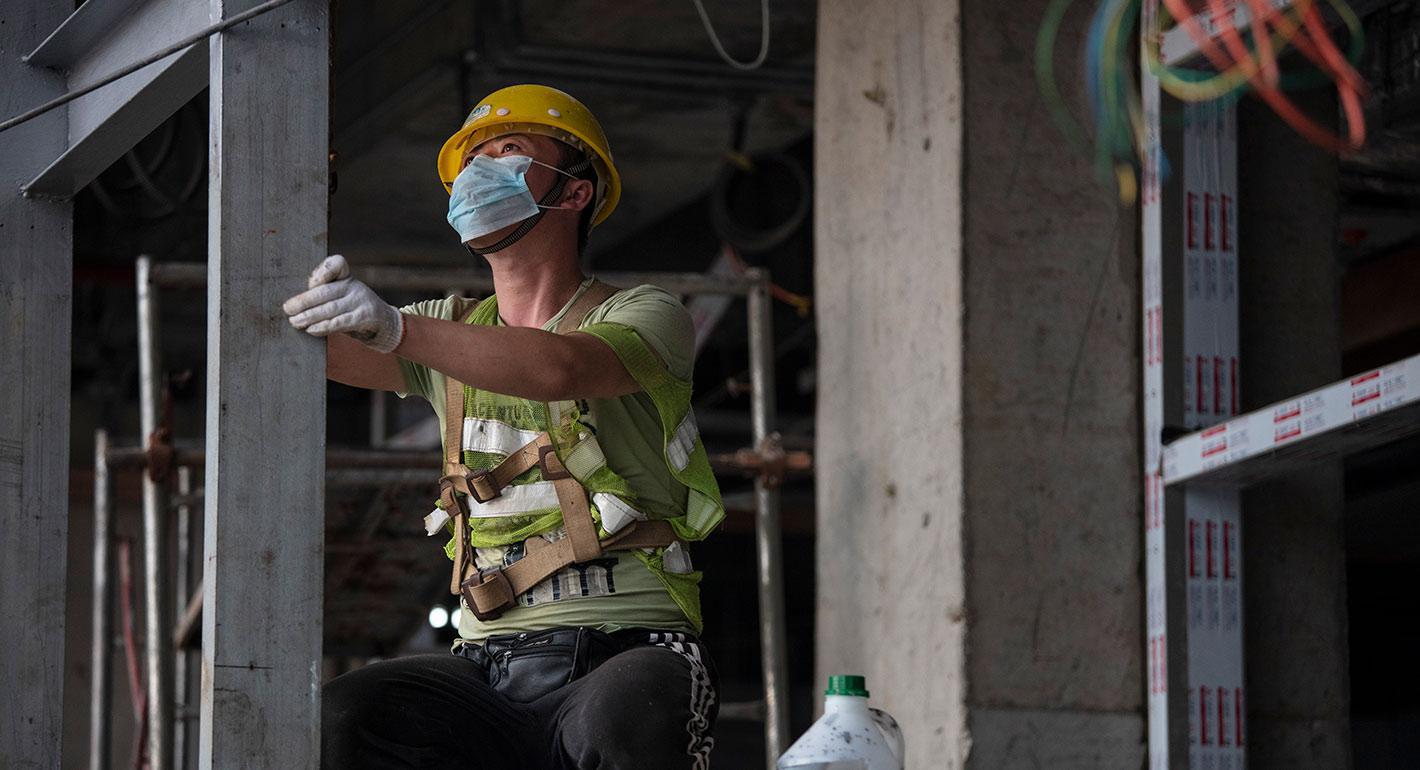
    The BRI in Post-Coronavirus South Asia

    After the coronavirus pandemic wanes, how will China’s reorientation of the Belt and Road Initiative to address global health concerns influence its relationships with South Asian countries?

      Deep Pal, Rahul Bhatia

  • Commentary
    India’s Unheeded Coronavirus Warning

    Early in the outbreak, government researchers forecast several high-risk scenarios that were downplayed or ignored in public messaging.

      Gautam I. Menon

Get more news and analysis from
Carnegie India
Carnegie India logo, white
Unit C-4, 5, 6, EdenparkShaheed Jeet Singh MargNew Delhi – 110016, IndiaPhone: 011-40078687
  • Research
  • About
  • Experts
  • Projects
  • Events
  • Contact
  • Careers
  • Privacy
  • For Media
Get more news and analysis from
Carnegie India
© 2026 Carnegie Endowment for International Peace. All rights reserved.