

Commentary
Amr Hamzawy
Source: Getty
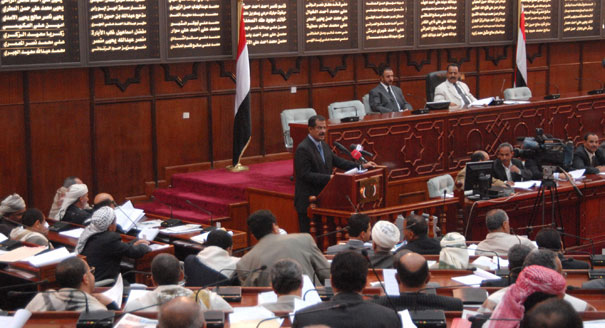
Yemen’s Islamist Congregation for Reform party (Islah) faces deep internal divisions on key issues, and its fractious composition prevents it from developing a clear parliamentary platform, leaving the party with no clear path toward the reforms it seeks.
Like Islamist parties across the Arab world, Yemen’s Islamist Congregation for Reform (Islah) has a religious ideology and platform. Islah participates in legal politics in hopes of accomplishing constitutional and socioeconomic reforms, and over time it has committed itself to upholding democratic procedures internally as well as externally.
Yet Islah differs from most other Arab Islamists. The party combines tribal influences along with those of the Yemeni Muslim Brotherhood and more radical Salafi groups. As a result, it faces deep internal divisions on key issues, including its relationship with the ruling establishment, its role in the opposition, and the participation of women in politics. Moreover, Islah is not simply an opposition group; until 1997, the party was a junior partner in a ruling coalition.
Under Yemen’s authoritarian regime, President Ali Abdullah Saleh and his General People’s Congress dominate political life, and there are no effective checks and balances among the different branches of government. Since its move to the opposition, Islah has had no choice but to cooperate with the regime in order to gain a degree of influence in key political choices. Yet its fractious composition prevents it from developing a clear parliamentary platform, forcing it instead to balance tribal and political interests, differing interpretations of the party’s Islamist platform, and both loyalist and opposition constituencies. As a result, no one knows where the party stands, and it has no clear path toward the reforms it seeks.

Director, Middle East Program
Amr Hamzawy is a senior fellow and the director of the Carnegie Middle East Program. His research and writings focus on Egypt’s and other middle powers’ involvement in regional security in the Middle East, particularly through collective diplomacy and multilateral conflict resolution
Recent Work
Amr Hamzawy
Amr Hamzawy
Carnegie India does not take institutional positions on public policy issues; the views represented herein are those of the author(s) and do not necessarily reflect the views of Carnegie, its staff, or its trustees.

In any defense establishment, change is an ongoing process. However, despite the best of intentions, existing bureaucracies, bound by habit and years of socialization, have their limits in implementing transformative change.

Anit Mukherjee

After the chill in ties between 2020 and 2024 that brought India–China relations to their lowest point in several decades, the two countries have engaged each other afresh. This paper argues that there are predominantly four imperatives guiding India’s approach to China, and they exist in an order of priority.

Saheb Singh Chadha

This piece argues that the present Indian strategy, based on opportunistic diversification and utilization of limited strategic reserves, remains inadequate when confronting supply disruptions. It evaluates India’s options in the short, medium, and long terms.

Vrinda Sahai

This piece examines India’s response to U.S. sanctions and tariffs, specifically assessing the immediate market consequences, such as alterations in import costs, and the broader strategic implications for India’s energy security and foreign policy orientation.
Vrinda Sahai
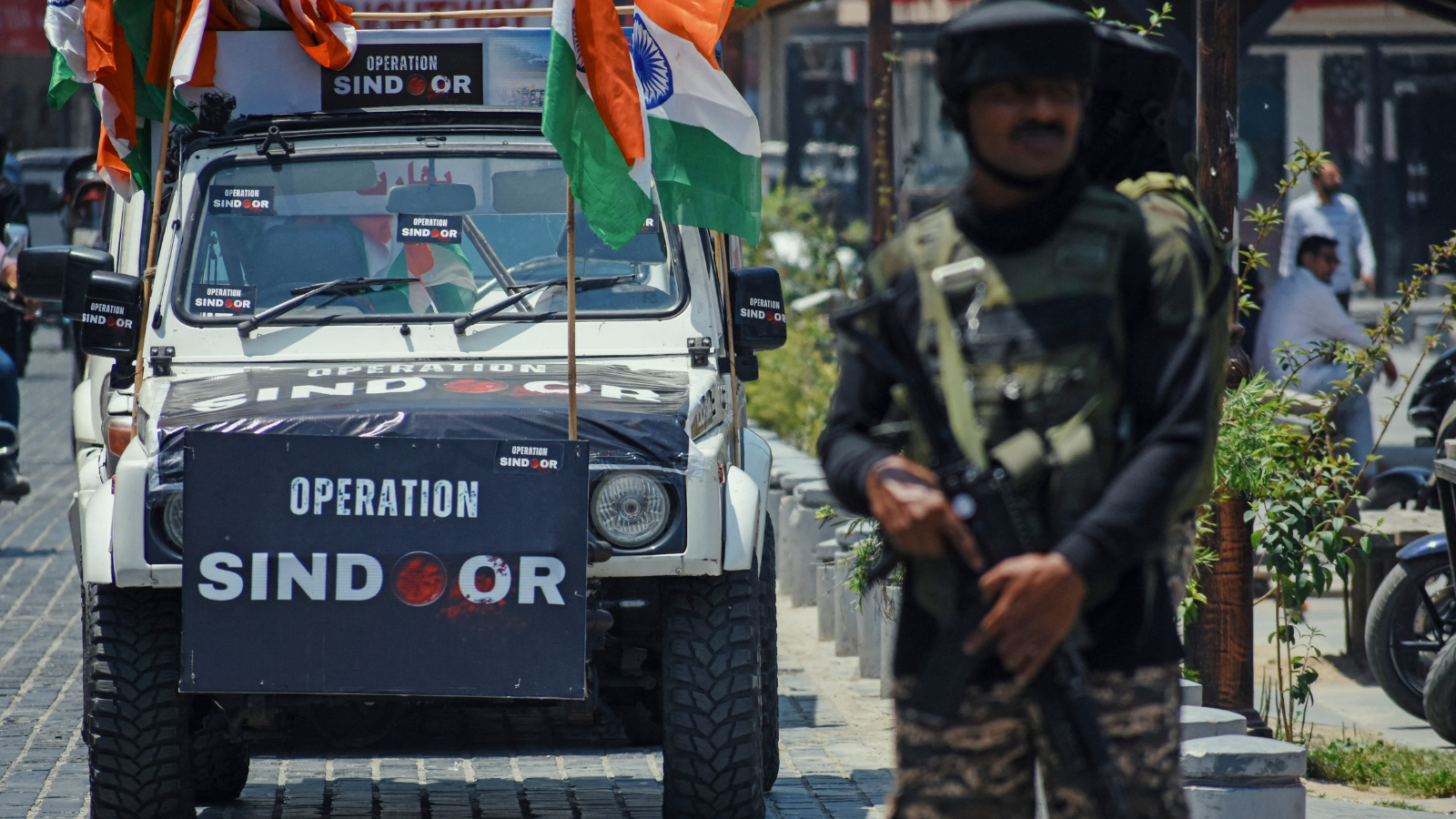
The India-Pakistan conflict that played out between May 6 and May 10, 2025, offers several military lessons. This article presents key takeaways from Operation Sindoor and breaks down how India’s preparations shaped the outcome and what more is needed to strengthen future readiness.

Dinakar Peri