

Commentary
Alexey Malashenko
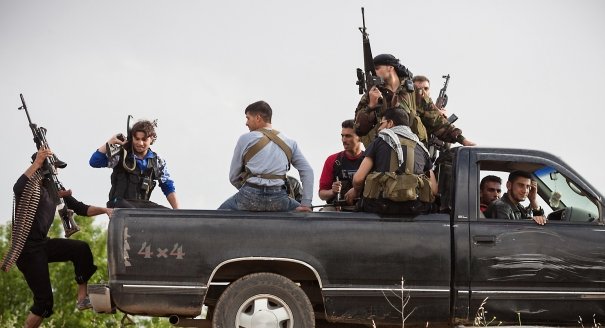
Source: Getty
The situation in Syria has two potential outcomes. There will either be a military victory by the opposition or President Bashar al-Assad will step down. In any case, Assad has lost.
It seems that while discussing the situation in Syria, external players omit important aspects of the story and are also afraid to predict what the outcome of a civil war will be. In fact, more and more refrain from using the term “civil war” at all. That is probably because in a civil war, no one is entirely right or entirely wrong; civil wars are particularly cruel; and bearing responsibility for a civil war in a foreign country is a scary and dangerous thing.
So what are the prospects for the development of the situation in Syria? There are two potential outcomes.
Outcome one: A military victory by the opposition will lead to a most-brutal massacre. It is obvious who will be slaughtered: Bashar al-Assad’s followers and their sympathizers. This includes his clan, the Baathists and Alawites (the Shi’i sect that Assad’s family belongs to), as well as those within the military who remain faithful to the current government and will fight for it to the end.In some regions and cities of the country, there are more government supporters; in others, less. The more government supporters there are in a given city, the more blood will be spilled.
The opposition has already delivered an ultimatum to the president in which it threatens to formally abandon the truce that is not being observed in practice anyway.
Outcome two: Assad steps down voluntarily though under pressure. If he doesn’t go on his own, the opposition will physically remove him from power (see outcome one). A massacre is inevitable in any case, but if Assad voluntarily steps down, the bloodshed will not be as widespread. It will be “selective.”
At the beginning many will rejoice, as in Tahrir Square in Cairo or the Maidan in Kyiv. The time for revenge and settling scores will come later. In such a situation, the “Friends of Syria” ought to and will need to weigh in. They will not need to support the opposition so much as to restrain it. That will not be easy.
Where can Assad go? It is best for him to go to Moscow. First of all, he will be safe in Moscow, and second, by giving him refuge, Russia will save face: “We do not give up on our friends” will be the message—to use the words once uttered on another occasion by Putin. This move will undoubtedly cause discontent and will damage relations with the post-Assad regime in Syria. But these relations have been damaged a priori—and for a long time. Therefore, it is better to be consistent. That commands more respect.
Of course, miracles do happen. For instance, the Kremlin might force Damascus to make concessions, while other members of the international community might push the opposition to become less violent and more constructive. In that miraculous case, some kind of coalition government would emerge, albeit a temporary and transitional one. This, however, is more of a fairy tale with an inevitably happy ending. Neither Washington nor the European and Arab capitals believe in it. Most likely Moscow has stopped believing in it, too.
It is quite clear that Bashar al-Assad has lost, and with no foreign intervention against him. And even if the intervention comes, it will only prolong the civil war. Syria is unlike Libya.

Former Scholar in Residence, Religion, Society, and Security Program
Malashenko is a former chair of the Carnegie Moscow Center’s Religion, Society, and Security Program.
Recent Work
Alexey Malashenko
Alexey Malashenko
Carnegie India does not take institutional positions on public policy issues; the views represented herein are those of the author(s) and do not necessarily reflect the views of Carnegie, its staff, or its trustees.

This piece argues that the present Indian strategy, based on opportunistic diversification and utilization of limited strategic reserves, remains inadequate when confronting supply disruptions. It evaluates India’s options in the short, medium, and long terms.

Vrinda Sahai

This piece examines India’s response to U.S. sanctions and tariffs, specifically assessing the immediate market consequences, such as alterations in import costs, and the broader strategic implications for India’s energy security and foreign policy orientation.
Vrinda Sahai
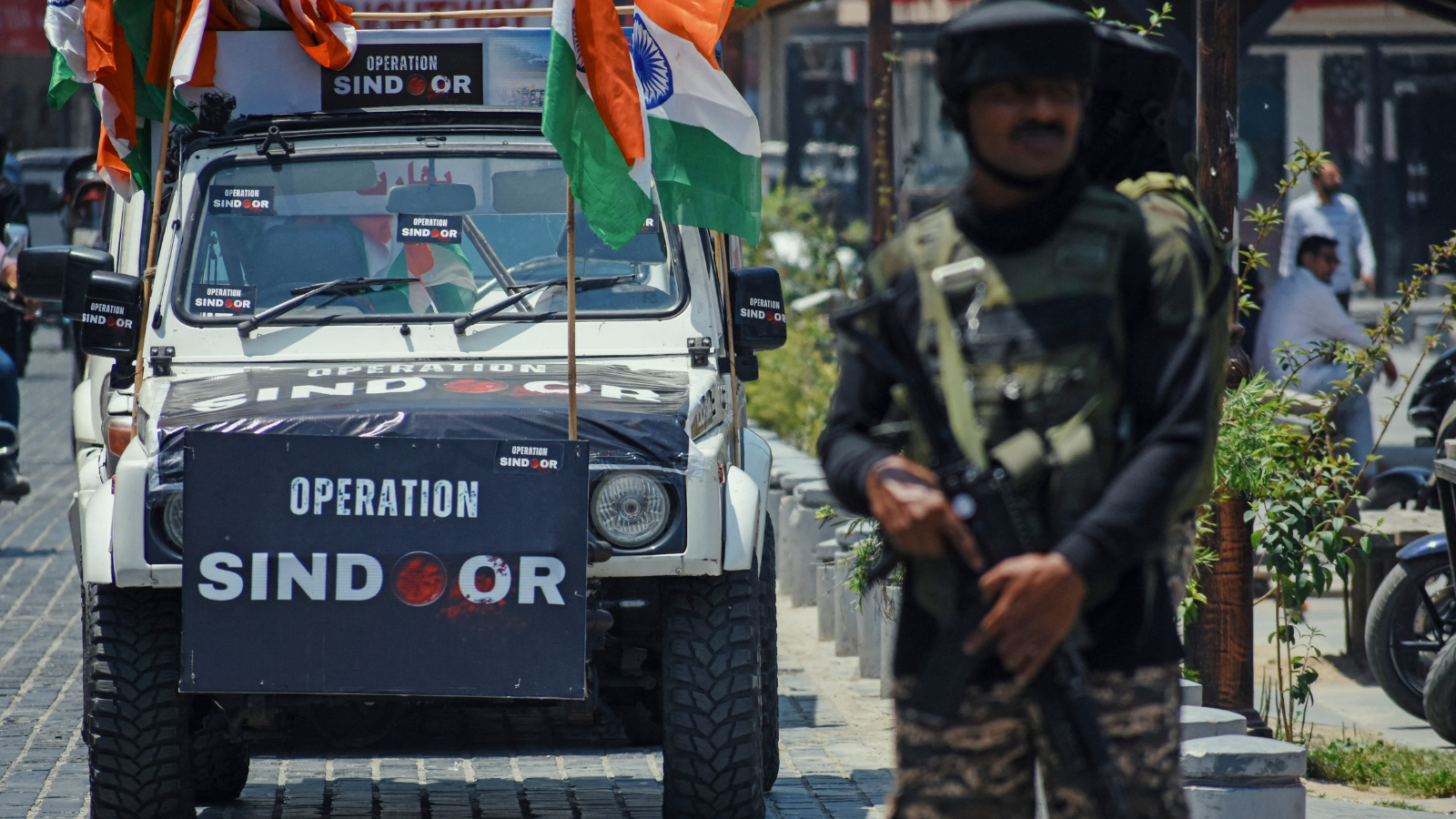
The India-Pakistan conflict that played out between May 6 and May 10, 2025, offers several military lessons. This article presents key takeaways from Operation Sindoor and breaks down how India’s preparations shaped the outcome and what more is needed to strengthen future readiness.
Dinakar Peri
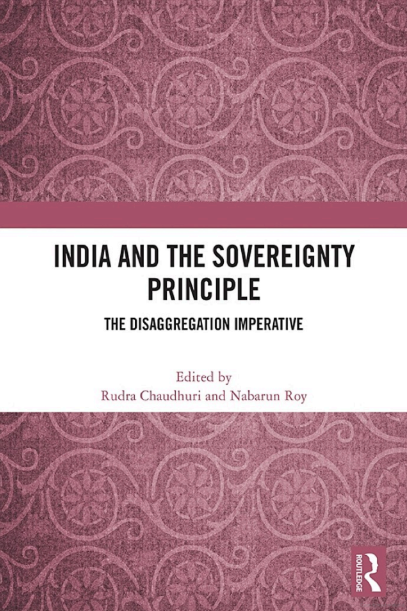
This book offers a comprehensive analysis of India's evolving relationship with sovereignty in a complex global order. Moving beyond conventional narratives, it examines how the sovereignty principle shapes India's behavior across four critical domains—from traditional military power to contemporary data governance.

Rudra Chaudhuri, Nabarun Roy
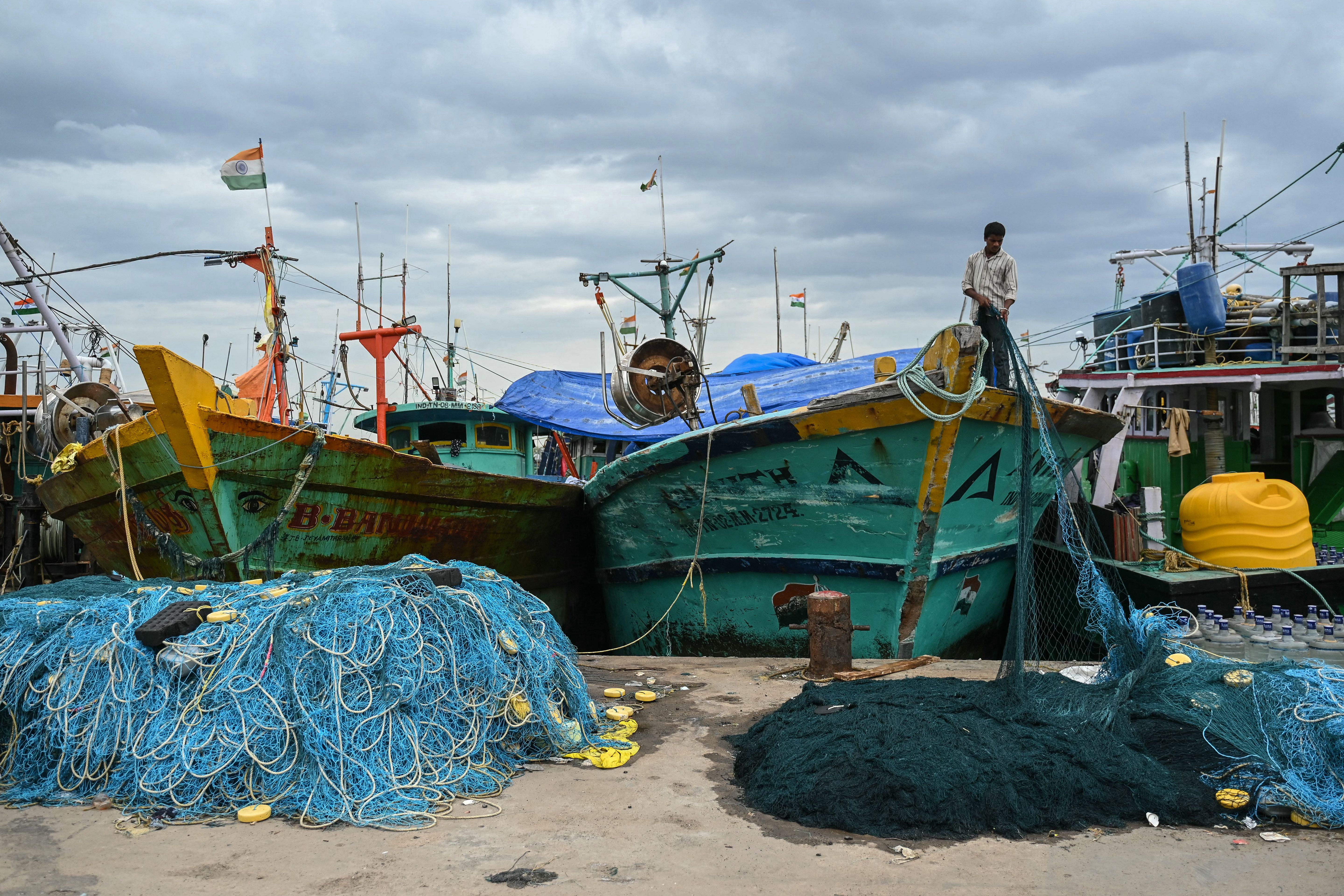
This article examines the scale and impact of Chinese IUU fishing operations globally and identifies the nature of the challenge posed by IUU fishing in the Indian Ocean Region (IOR). It also investigates why existing maritime law and international frameworks have struggled to address this growing threat.

Ajay Kumar, Charukeshi Bhatt