

Commentary
As the U.S. stumbles in its war with Iran, we are likely to see an acceleration of its disengagement from the region.
Michael Young
{
  "authors": [
    "Marwan Muasher",
    "Michele Dunne",
    "Perry Cammack",
    "Tom Carver"
  ],
  "type": "commentary",
  "blog": "Diwan",
  "centerAffiliationAll": "dc",
  "centers": [
    "Carnegie Endowment for International Peace",
    "Malcolm H. Kerr Carnegie Middle East Center"
  ],
  "collections": [],
  "englishNewsletterAll": "menaTransitions",
  "nonEnglishNewsletterAll": "",
  "primaryCenter": "Carnegie Endowment for International Peace",
  "programAffiliation": "MEP",
  "programs": [
    "Middle East"
  ],
  "projects": [],
  "regions": [
    "Middle East",
    "North Africa",
    "Egypt",
    "Gulf",
    "Levant",
    "Maghreb",
    "Jordan",
    "Iraq",
    "Lebanon",
    "Syria"
  ],
  "topics": [
    "Political Reform"
  ]
}
Source: Getty
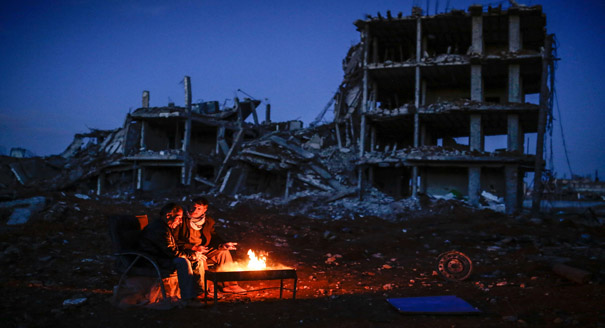
In a podcast, Carnegie Middle East scholars discuss a new report on the state of the Arab world.
In February, the Carnegie Middle East Program released the English version of a major new report titled, “Arab Fractures: Citizens, States and Social Contracts.” To discuss the report, three of those who participated in its drafting, Carnegie’s Vice President for Studies Marwan Muasher, Director of the Middle East Program Michele Dunne, and Middle East Program Fellow Perry Cammack, sat for a podcast with Tom Carver, Carnegie’s vice president for communications and strategy.

Vice President for Studies
Marwan Muasher is vice president for studies at Carnegie, where he oversees research in Washington and Beirut on the Middle East. Muasher served as foreign minister (2002–2004) and deputy prime minister (2004–2005) of Jordan, and his career has spanned the areas of diplomacy, development, civil society, and communications.

Former Nonresident Scholar, Middle East Program
Michele Dunne was a nonresident scholar in Carnegie’s Middle East Program, where her research focuses on political and economic change in Arab countries, particularly Egypt, as well as U.S. policy in the Middle East.
Former Nonresident Fellow, Middle East Program
Perry Cammack was a nonresident fellow in the Middle East Program at the Carnegie Endowment for International Peace, where he focuses on long-term regional trends and their implications for American foreign policy.
Former Vice President for Communications and Strategy
Carver was vice president for communications and strategy at the Carnegie Endowment for International Peace. He previously served as senior vice president at Chlopak, Leonard & Schechter. A former award-winning journalist, Carver worked for the BBC from 1984 to 2004.
Carnegie does not take institutional positions on public policy issues; the views represented herein are those of the author(s) and do not necessarily reflect the views of Carnegie, its staff, or its trustees.

As the U.S. stumbles in its war with Iran, we are likely to see an acceleration of its disengagement from the region.

Michael Young
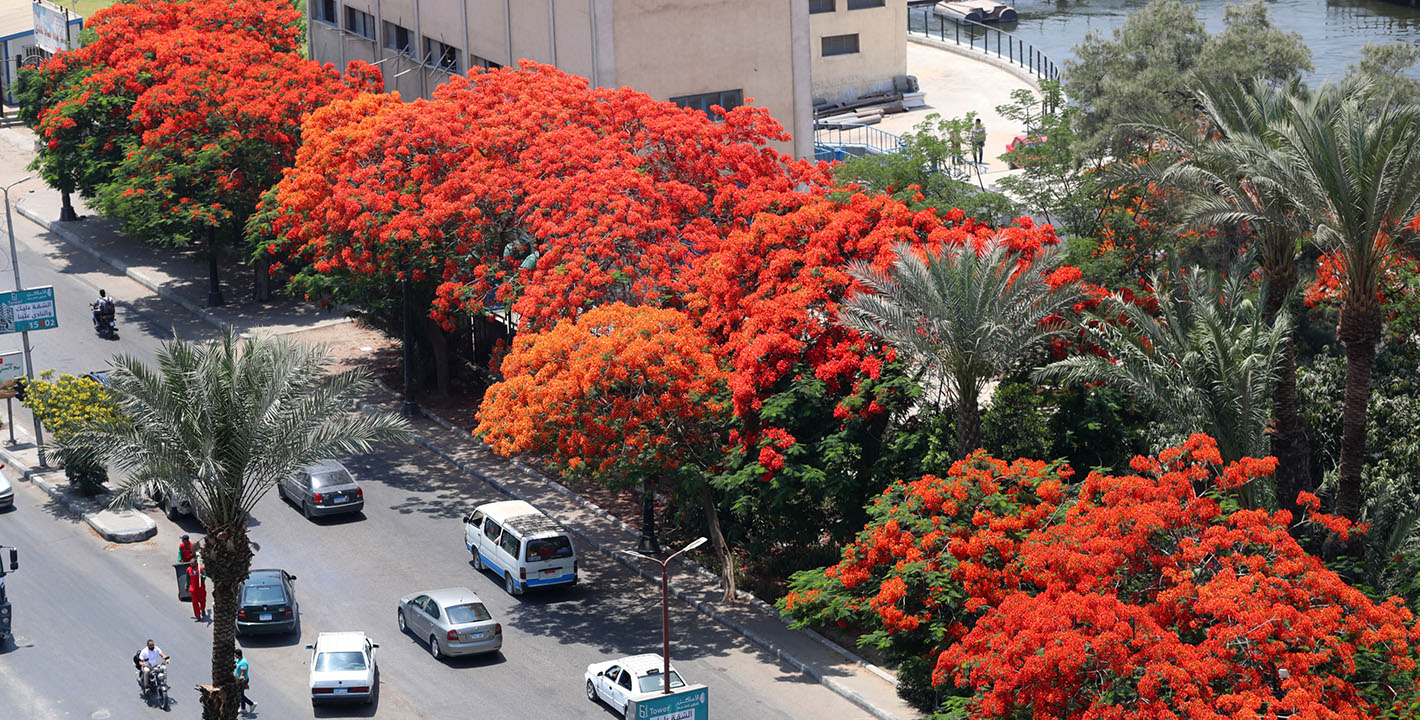
In Egypt’s dense cities, the disappearance of foliage has health implications and punishes daily commuters.

Angie Omar
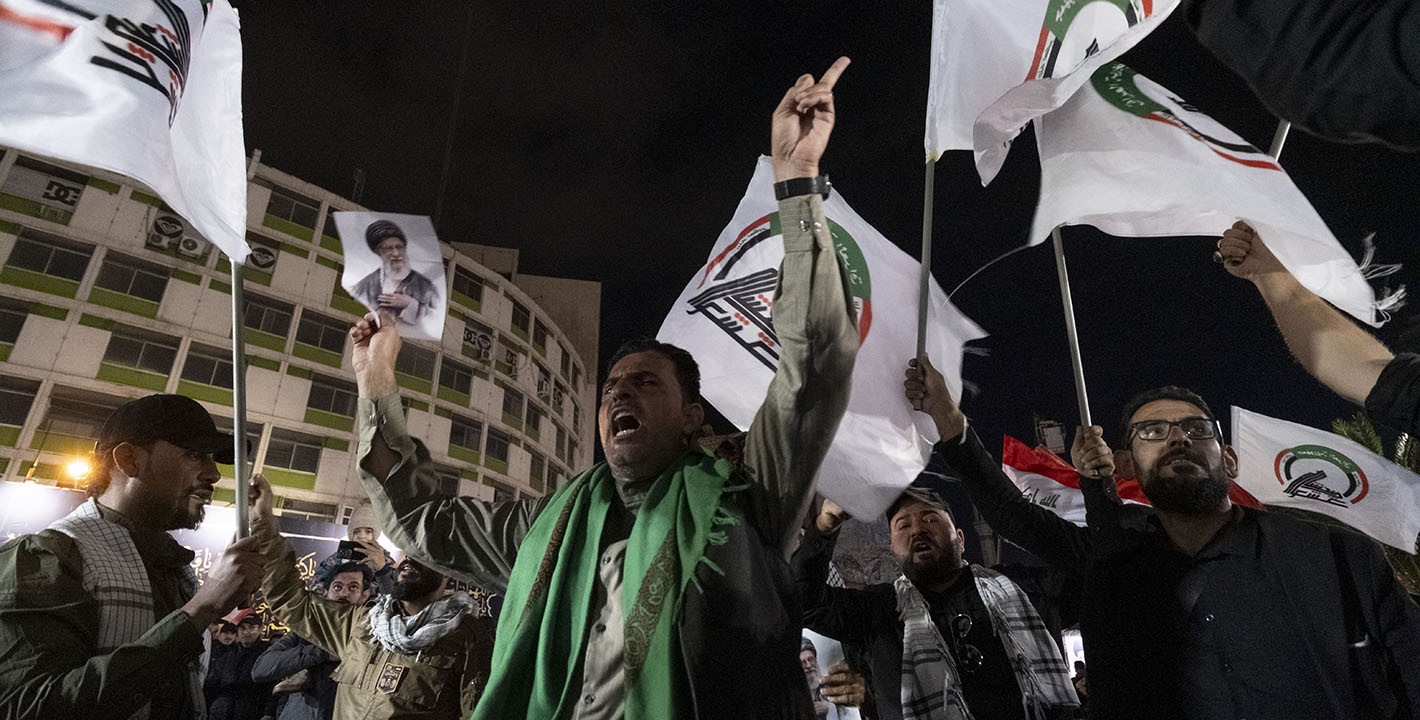
The Zaidi government’s objective to collect weapons is constrained by regional conflict, but it can take certain measures at home.
Ali Al-Mawlawi

Huawei pushed hard to enter the Egyptian data centers market, until the Americans made a better offer.
Angie Omar

Middle Eastern states should welcome an accelerated U.S. disengagement from their region.
Michael Young