

Commentary
Michael Young
{
  "authors": [
    "Michael Young"
  ],
  "type": "commentary",
  "blog": "Diwan",
  "centerAffiliationAll": "dc",
  "centers": [
    "Carnegie Endowment for International Peace",
    "Malcolm H. Kerr Carnegie Middle East Center"
  ],
  "collections": [
    "Inquiring Minds"
  ],
  "englishNewsletterAll": "menaTransitions",
  "nonEnglishNewsletterAll": "",
  "primaryCenter": "Malcolm H. Kerr Carnegie Middle East Center",
  "programAffiliation": "MEP",
  "programs": [
    "Middle East"
  ],
  "projects": [],
  "regions": [
    "Gulf",
    "Saudi Arabia",
    "Lebanon",
    "Middle East",
    "Qatar",
    "Levant"
  ],
  "topics": [
    "Political Reform"
  ]
}
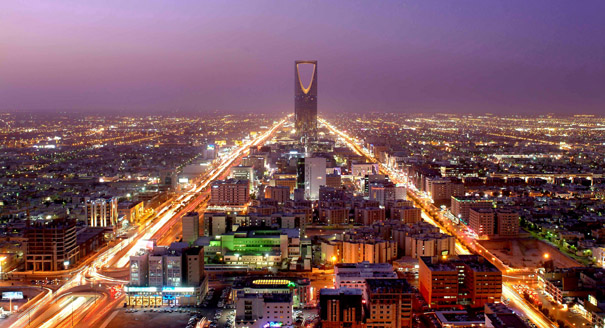
Source: Getty
A regular survey of experts on matters relating to Middle Eastern and North African politics and security.
Tomáš Valášek | Director of Carnegie Europe, Brussels
There is not “one” European view because European Union countries have relationships of varying depth and nature with Saudi Arabia. But most of them worry that Saudi policy risks prolonging the crisis in the Middle East. The more attentive countries also fear about the future of the House of Saud and the possibility that it might be replaced by chaos or a more radical government. The recent purges in Riyadh of Saudi princes and other prominent figures were viewed in this context. The hope is that the related broader reforms that have been introduced by Crown Prince Mohammed bin Salman will put the country’s economy on a sustainable path, thus avoiding social upheaval. But the worries that Saudi Arabia is not helping calm things down in the Middle East linger.
Michele Dunne | Director and senior fellow in the Carnegie Middle East program, Washington, D.C.
In Washington, views of the Saudi purge and related regional moves so far divide along these lines: Are these necessary steps that promise real change or an ill-conceived power grab? President Donald Trump and Secretary of State Rex Tillerson reacted a bit differently than during the Qatar crisis, with Trump supporting Saudi Crown Prince Mohammed bin Salman unconditionally and Tillerson pointing out the downsides, particularly regarding destabilization of Lebanon. But it is also true that official Washington was distracted when the arrests took place: Trump was in Asia; members of Congress were preoccupied with tax reform; and public attention was fixed on recent mass shootings as well as on the drubbing the Republicans took in state and local elections. Senator John McCain was the first member of Congress to speak up, expressing some ambivalence about the developments.
Among Washington-based experts and pundits there was agreement that Mohammed bin Salman’s moves were bold and risky. But some (particularly but not exclusively those closer to the political right) saw the risks as worthwhile, even necessary, in order to bring about real economic transformation and stop the export of Wahhabi ideology. Others are more skeptical that economic or ideological change (often wished for in Washington) will actually come about, seeing Mohammed bin Salman’s steps as a consolidation of power that heedlessly risks destabilizing the region and possibly the kingdom itself.
Dmitri Trenin | Director of the Carnegie Moscow Center
With Moscow more active again in the Middle East, the Russians are paying greater attention to the region. They are also being very careful, seeking not to antagonize anyone as they pursue their own interests. Saudi Arabia, a former Soviet adversary, is viewed as a potentially important partner in terms of investment in Russia, joint oil pricing, and the arms trade. King Salman recently visited Moscow, becoming the first Saudi monarch to do so. His son Mohammed bin Salman’s relations with President Vladimir Putin are reportedly good. At the same time, Russia is seeking to expand its ties with Iran. Putin has just been to Tehran, and the Russian oil company Rosneft boasts a $30 billion deal in the works with the Iranians.
That said, the Russians are watching the developments in Saudi Arabia with keen interest. They see Mohammed bin Salman’s moves at home and abroad as audacious and risky. However, they also promise to turn the kingdom into a more modern country, with a foreign policy more independent from Washington and seeking an even larger role in the region. All this makes Riyadh a more relevant international player in an increasingly polycentric world, which fits into the Russian vision of the evolution of the world order. The moves initiated by Mohammed bin Salman exacerbate tensions with Iran, Yemen, Qatar, and now Lebanon, but the Kremlin is fully prepared to manage complex relationships in the region as long as its own interests are taken into account.
C. Raja Mohan | Director of Carnegie India, New Delhi
Although it is rarely acknowledged, few countries other than the United States and China are as pivotal as Saudi Arabia to the security and stability of India, and more broadly to the Subcontinent. The kingdom’s religious orientation, its approach to international terrorism, its role in the geopolitics of the Gulf, and its attitude toward immigrant labor are all of great consequence to India.
The latest developments raise hopes in New Delhi for a positive evolution of the Saudi polity, but also generate fears of massive regional destabilization. Any Saudi drift towards religious moderation and political modernization will have a significant positive effect on the more than 500 million Muslims in the Subcontinent. Saudi support to conservative Islam in the Subcontinent in the past has been a major problem. At the same time, a deepening conflict between Saudi Arabia and Iran could sharpen the sectarian conflict not just in the Gulf but also in the Subcontinent.
The economic interdependence between Saudi Arabia and India is reflected in the fact that the former is the leading supplier of energy to India and also employs nearly 4 million Indian workers. As oil prices come down, India’s energy bill will shrink, but on the downside is the potential for a return of large numbers of workers.
Accustomed to an apparently immutable domestic political order in Saudi Arabia, New Delhi has focused all these decades on an incremental expansion of the positive aspects of the bilateral relationship and steady limitation of the negative aspects. It has had reasonable success, especially over the last decade, when the kingdom has been more empathetic to India’s concerns on terrorism and has engaged in greater political cooperation. New Delhi hopes the latest turmoil in Saudi Arabia will not affect this trajectory.
Maha Yahya | Director of the Carnegie Middle East Center, Beirut
From Beirut, apparent Saudi pressure on Lebanese Prime Minister Saad al-Hariri to resign presented a palpable threat to Lebanon’s stability and security. It was followed by uncharacteristically harsh Saudi rhetoric accusing Lebanon of declaring war on Saudi Arabia and asking the Lebanese to choose between peace or allegiance to Iran and Hezbollah. Despite some public appearances, Hariri’s movements appear to be restricted by the Saudi authorities. This has alienated many Lebanese Sunnis from the Saudi leadership. They see in his incarceration an affront to national sovereignty. It has also forced the Lebanese into rare but fragile unity, as politicians, including Hezbollah’s leader Hassan Nasrallah, as well as ordinary citizens, have demanded Hariri’s return.
This escalation has also upped the ante in a region already fraught with tensions, placing Lebanon in the eye of a regional conflict between Saudi Arabia and Iran. In the absence of a clear Saudi strategy toward achieving their goals, three scenarios have dominated public discussions, triggering a mood of fear and anxiety.
The first posits a Qatar style embargo against Lebanon that would include the withdrawal of current deposits, the freezing of direct bank transfers to Lebanon, the expulsion of close to 160,000 Lebanese currently employed in Saudi Arabia and another 145,000 in other Gulf countries, and the closure of borders to Lebanese exports. Such actions may cost Lebanon billions of dollars in remittances, driving it to the brink of bankruptcy. The second envisions a direct military conflict. The shape of such an engagement is yet to be defined, and the identity of the protagonists, whether Saudi Arabia or Israel, remains unclear. The Lebanese worry that a military conflict would not only drive a government collapse and devastate the country, but may even spark a region-wide conflict. The third scenario involves arming thousands of mainly Sunni Syrian refugees to fight Hezbollah internally. Such discussions are fuelling rhetoric against refugees. The anger of Syrians toward Hezbollah for propping up the Assad regime lends this possibility credence in the eyes of many Lebanese.
Irrespective of whether these scenarios have credibility, many Lebanese express concern about Iran’s role in the region. However, they also feel that destroying Lebanon to get rid of Hezbollah is a case of throwing out the baby with the bathwater. Any strategy must be defined by whether another failed Arab state is something the world can afford.

Editor, Diwan, Senior Editor, Malcolm H. Kerr Carnegie Middle East Center
Michael Young is the editor of Diwan and a senior editor at the Malcolm H. Kerr Carnegie Middle East Center.
Recent Work
Michael Young
Michael Young
Carnegie does not take institutional positions on public policy issues; the views represented herein are those of the author(s) and do not necessarily reflect the views of Carnegie, its staff, or its trustees.
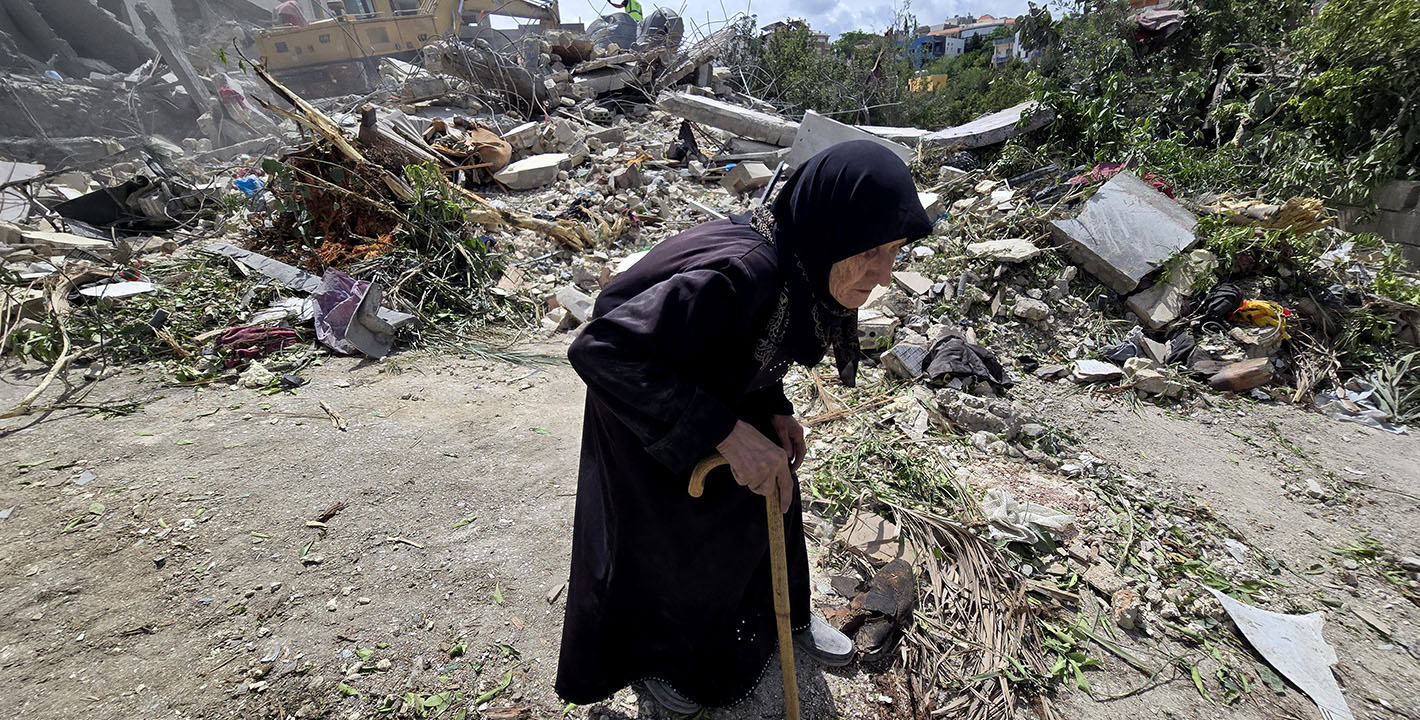
Adversaries are to be degraded so deeply, that reconstitution becomes difficult or impossible.

Nathan J. Brown
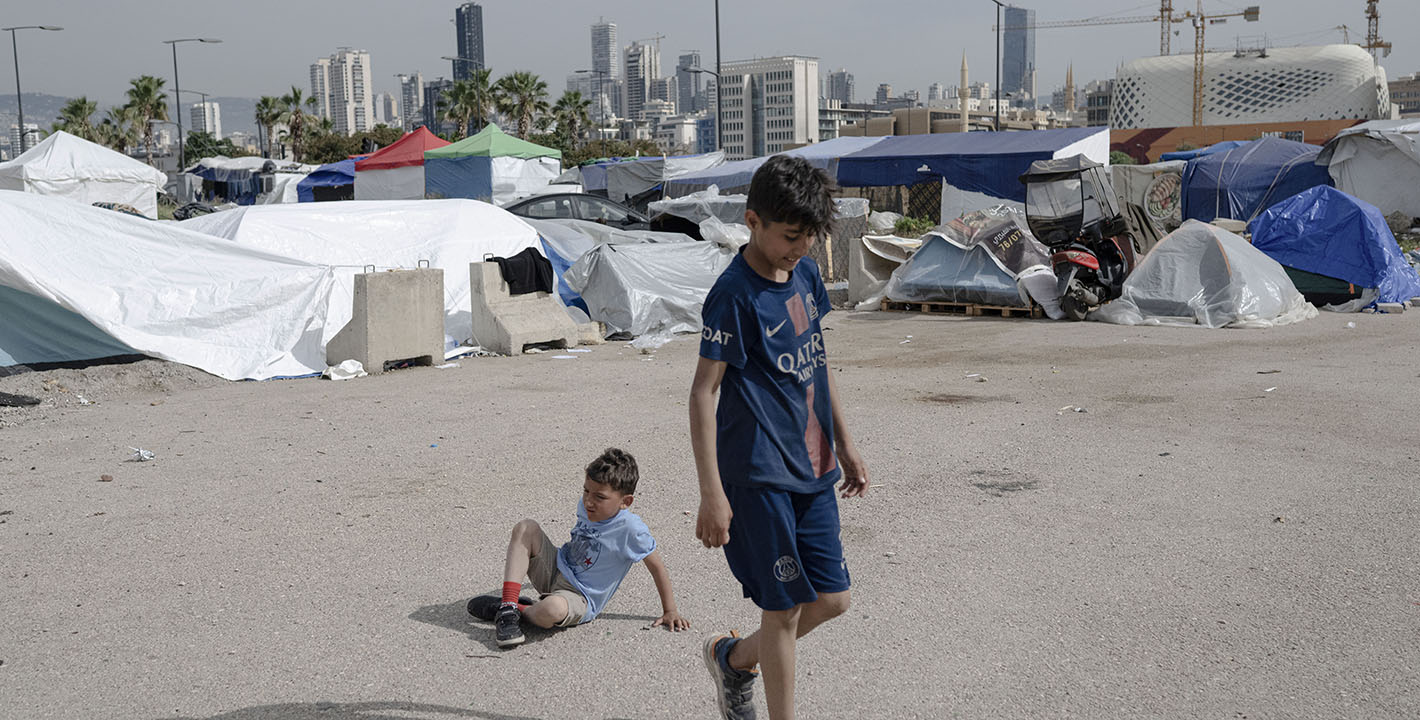
Israel is encroaching on the country’s territory, while the Lebanese look askance at one another.

Issam Kayssi
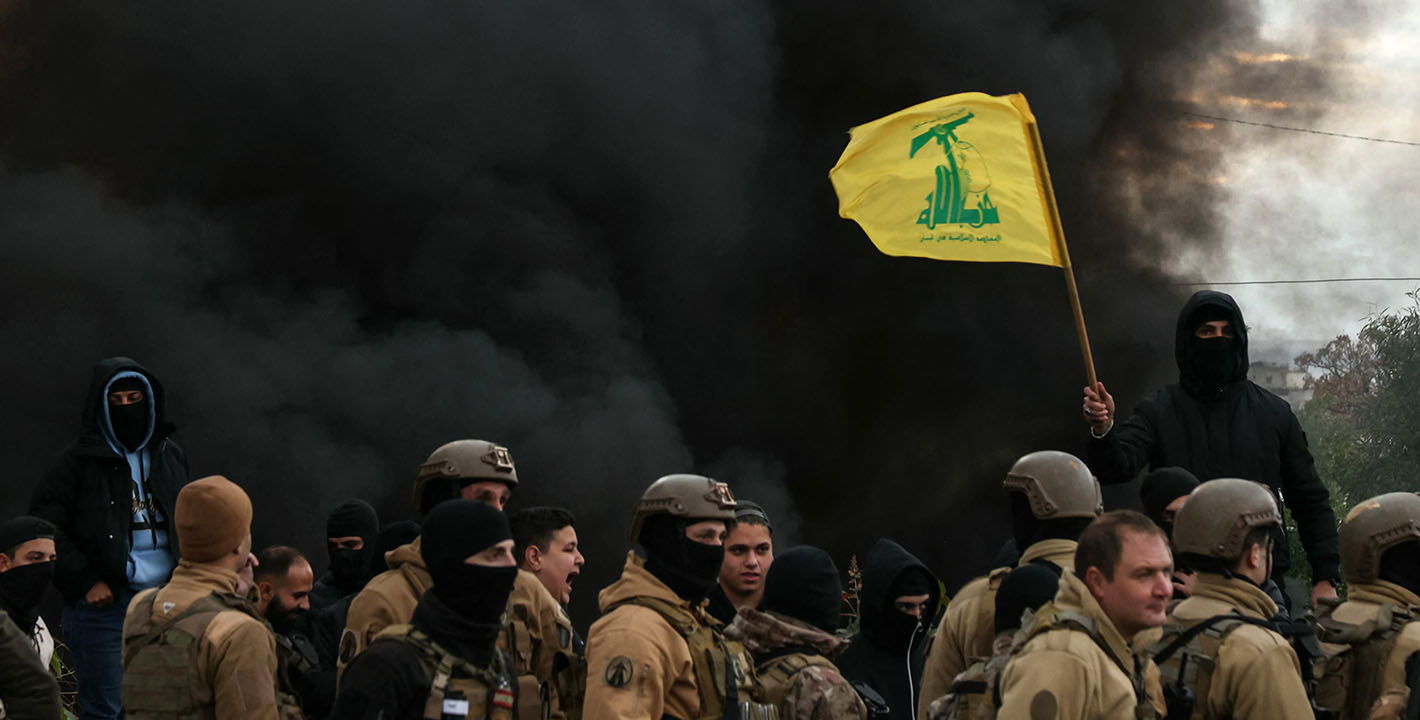
The party’s domestic and regional roles have changed, so Lebanon should devise a disarmament strategy that encompasses this.
Michael Young
In an interview, Marc Lynch discusses his new book decrying the post-1990 U.S.-dominated order in the Middle East.
Michael Young

Because perpetual conflict enhances control, offers economic benefits, and allows leaders to ignore popular preferences.

Angie Omar