

Commentary
Mohanad Hage Ali
{
  "authors": [
    "Mohanad Hage Ali"
  ],
  "type": "commentary",
  "blog": "Diwan",
  "centerAffiliationAll": "dc",
  "centers": [
    "Carnegie Endowment for International Peace",
    "Malcolm H. Kerr Carnegie Middle East Center"
  ],
  "collections": [
    "Three Question Time"
  ],
  "englishNewsletterAll": "menaTransitions",
  "nonEnglishNewsletterAll": "",
  "primaryCenter": "Malcolm H. Kerr Carnegie Middle East Center",
  "programAffiliation": "MEP",
  "programs": [
    "Middle East"
  ],
  "projects": [],
  "regions": [
    "Gulf",
    "Levant",
    "Israel",
    "Saudi Arabia",
    "United Arab Emirates",
    "Palestine",
    "Middle East",
    "Bahrain"
  ],
  "topics": [
    "Political Reform"
  ]
}
Source: Getty
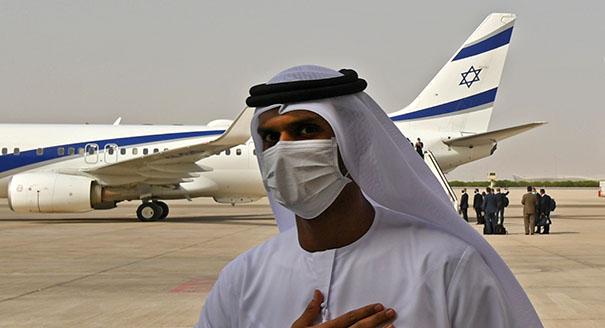
In an interview, Marwan Muasher discusses the latest developments in the agreement between the UAE and Israel.
Marwan Muasher is vice president for studies at the Carnegie Endowment for International Peace, where he oversees research in Washington and Beirut on the Middle East. Muasher has been closely following the recent peace agreement between the United Arab Emirates and Israel, on which he wrote an article in Diwan. In order to discuss the agreement, how it is proceeding, and what it means for the region, Diwan interviewed Muasher in early September.

Deputy Director for Research, Malcolm H. Kerr Carnegie Middle East Center
Mohanad Hage Ali is the deputy director for research at the Malcolm H. Kerr Carnegie Middle East Center.
Recent Work
Mohanad Hage Ali
Mohanad Hage Ali, Mohamad Najem
Carnegie does not take institutional positions on public policy issues; the views represented herein are those of the author(s) and do not necessarily reflect the views of Carnegie, its staff, or its trustees.
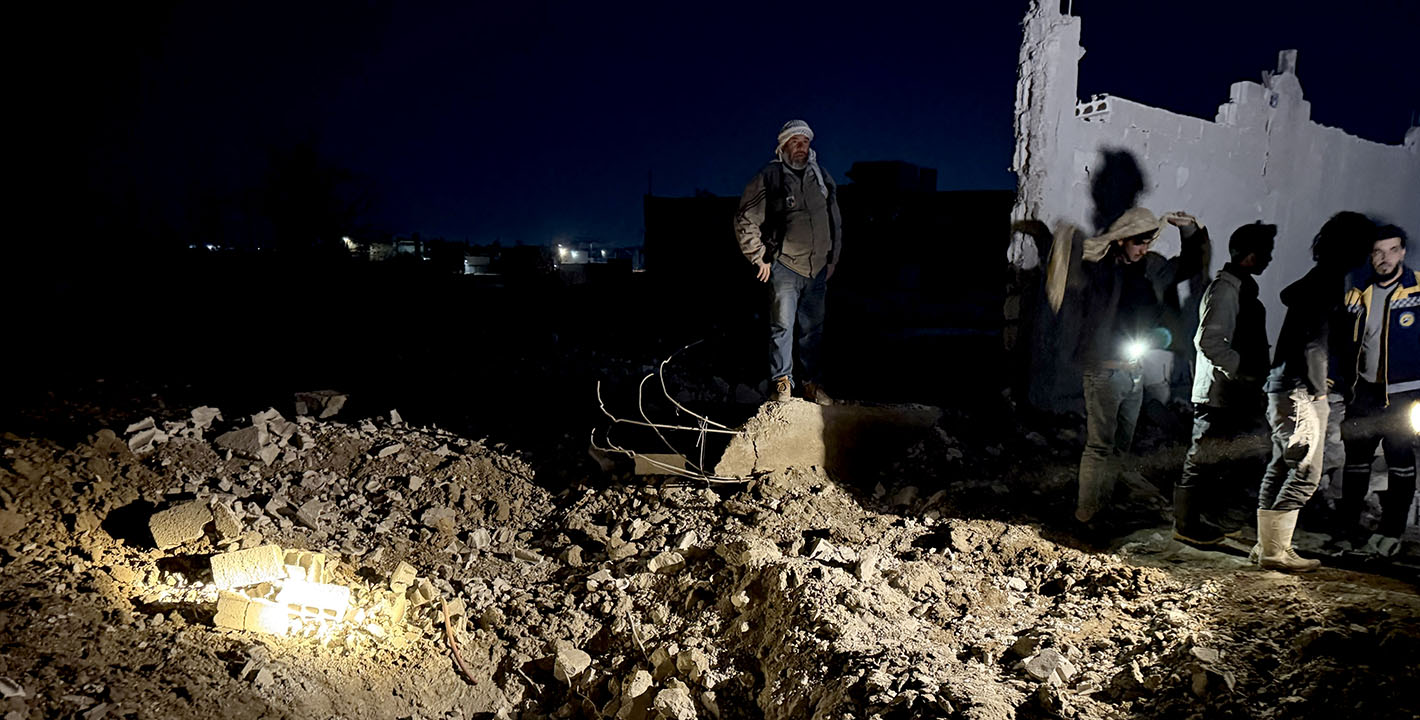
In an interview, Kheder Khaddour explains that Damascus is trying to stabilize its borders, but avoiding war isn’t guaranteed.

Michael Young
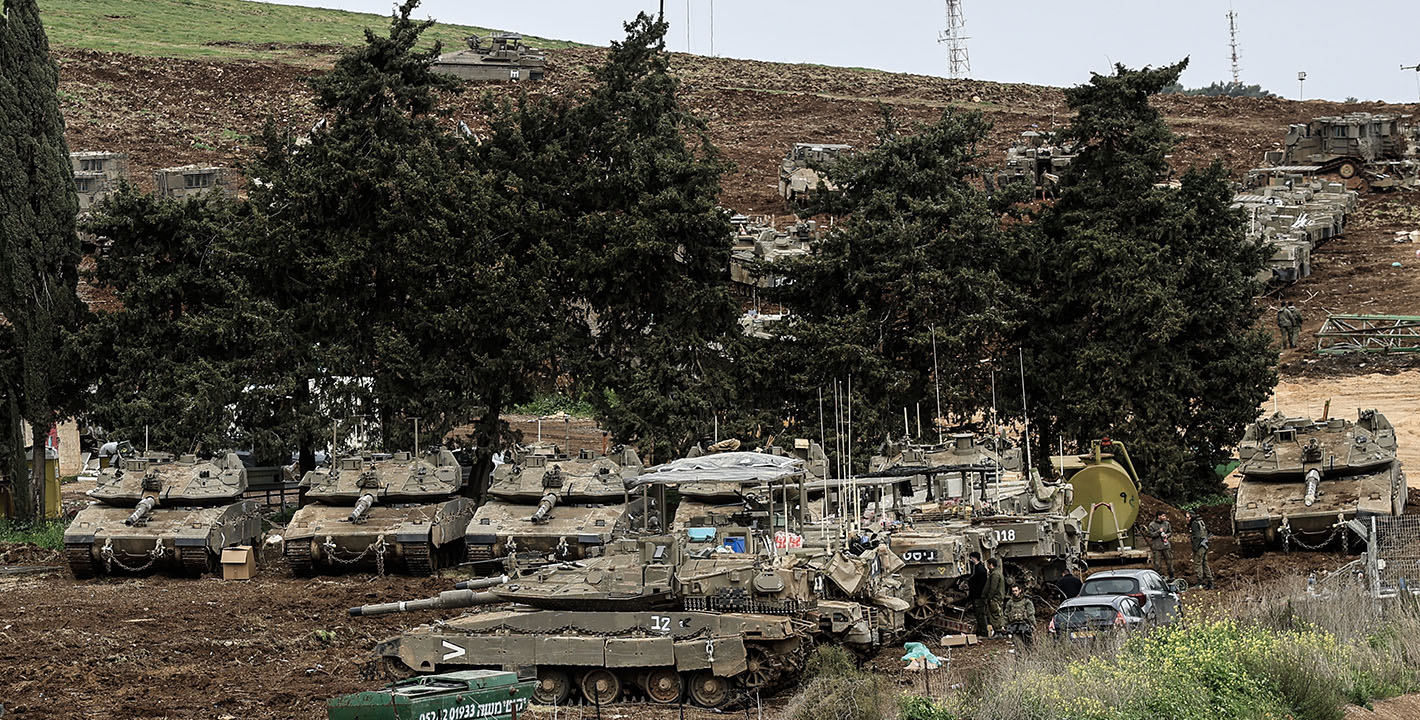
The country’s strategy is no longer focused on deterrence and diplomacy, it’s about dominance and degradation.

Nathan J. Brown
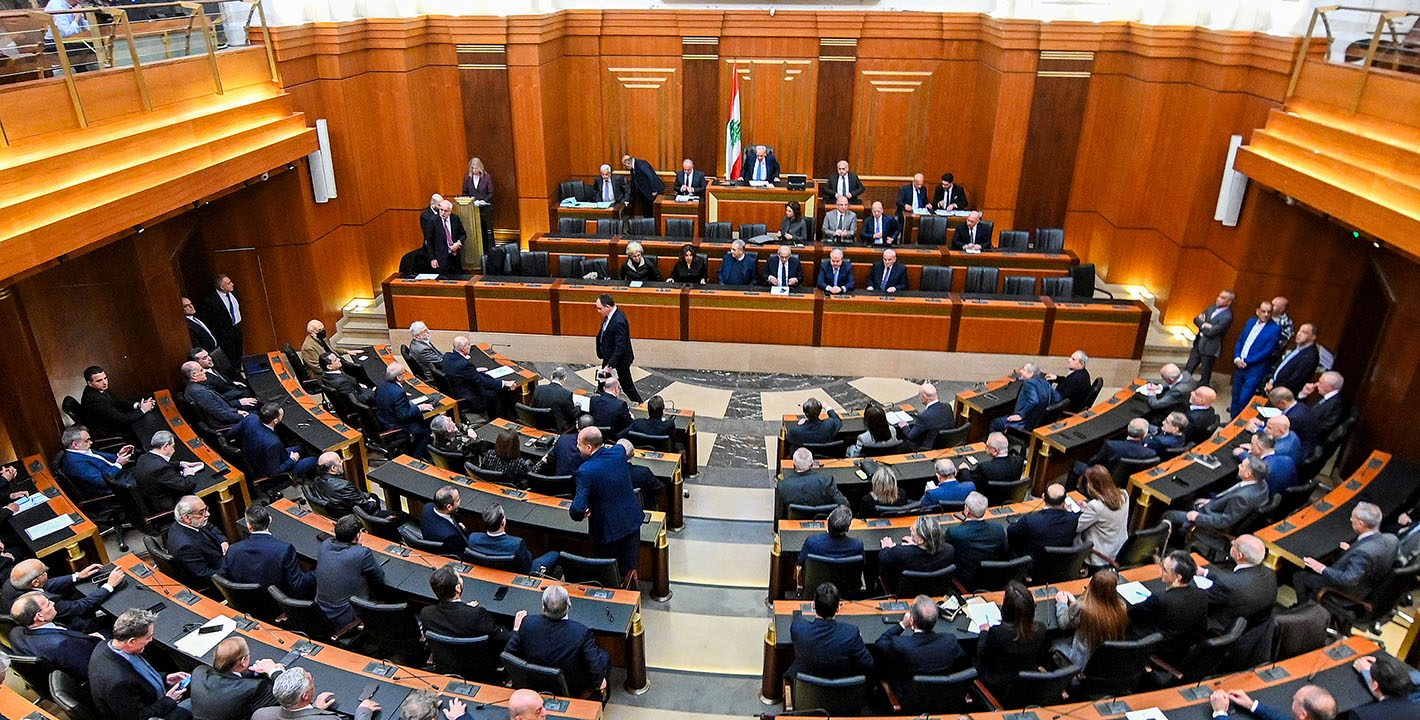
The decision of Lebanon’s parliament may look exceptional, but in reality it is not.

Issam Kayssi
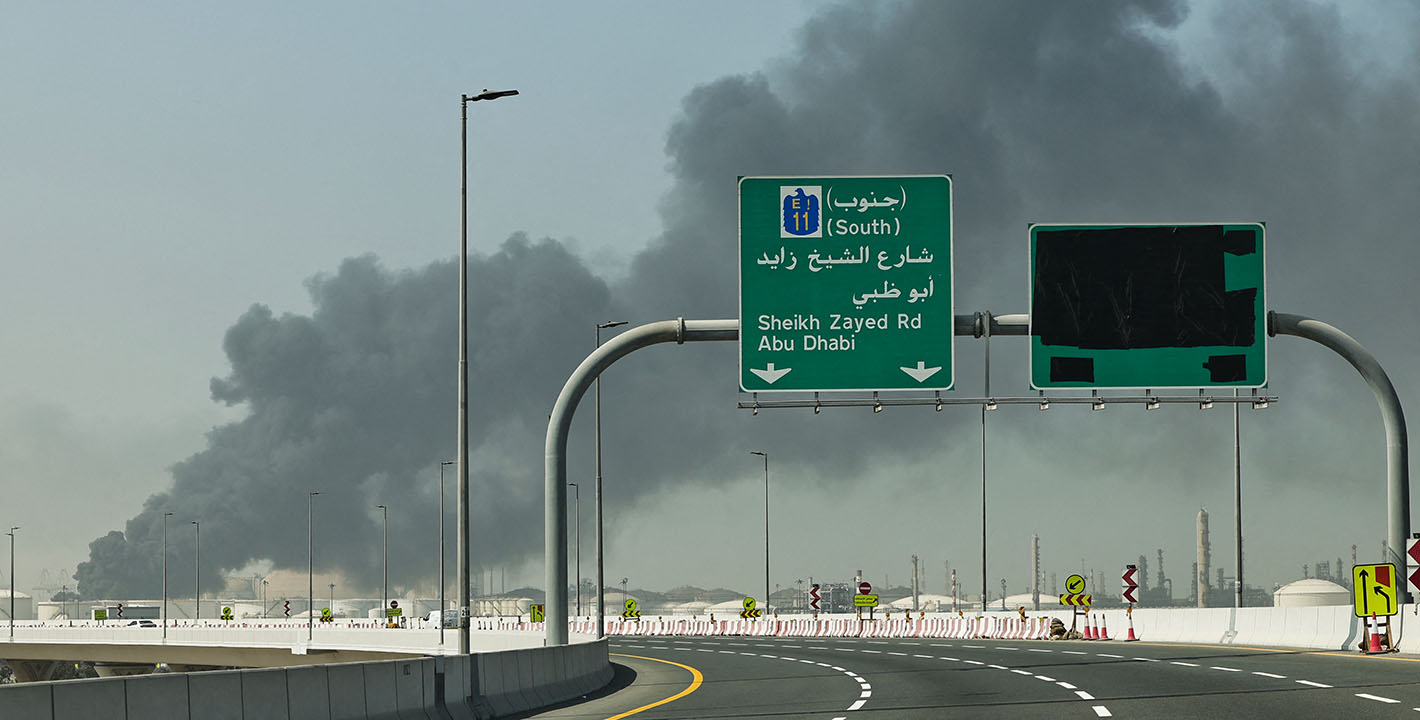
The countries in the region are managing the fallout from Iranian strikes in a paradoxical way.

Angie Omar

In an interview, Hassan Mneimneh discusses the ongoing conflict and the myriad miscalculations characterizing it.
Michael Young