

Q&A
Dara Massicot, Aaron David Miller, Andrew S. Weiss
{
  "authors": [
    "Aaron David Miller"
  ],
  "type": "commentary",
  "blog": "Diwan",
  "centerAffiliationAll": "dc",
  "centers": [
    "Carnegie Endowment for International Peace",
    "Malcolm H. Kerr Carnegie Middle East Center"
  ],
  "collections": [],
  "englishNewsletterAll": "menaTransitions",
  "nonEnglishNewsletterAll": "",
  "primaryCenter": "Carnegie Endowment for International Peace",
  "programAffiliation": "MEP",
  "programs": [
    "Middle East"
  ],
  "projects": [],
  "regions": [
    "North America",
    "United States",
    "Middle East",
    "Israel",
    "Palestine",
    "Levant"
  ],
  "topics": []
}
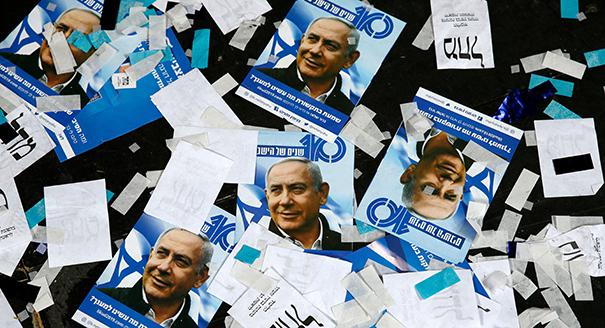
Source: Getty
In a video for CEIP, Aaron David Miller outlines the key takeaways of Israel’s elections.
Carnegie senior fellow Aaron David Miller recorded a short video for the Carnegie Endowment for International Peace in the aftermath of the Israeli elections, the fourth in just over two years. He outlined the major takeaways of the vote, which he described as a “wash, rinse, and repeat cycle,” with no party or bloc having a clear path to forming a government. Between 1978 and 2003, Miller served at the State Department as a historian, analyst, negotiator, and advisor to Republican and Democratic secretaries of state, during which he helped formulate U.S. policy on the Middle East and the Arab-Israel peace process, most recently as the senior advisor for Arab-Israeli negotiations. He also served as the deputy special Middle East coordinator for Arab-Israeli negotiations, as a senior member of the State Department’s policy planning staff, in the Bureau of Intelligence and Research, and in the office of the historian.

Senior Fellow, American Statecraft Program
Aaron David Miller is a senior fellow at the Carnegie Endowment for International Peace, focusing on U.S. foreign policy.
Recent Work


Dara Massicot, Aaron David Miller, Andrew S. Weiss


Sophia Besch, Eric Ciaramella, Steve Feldstein, …
Carnegie does not take institutional positions on public policy issues; the views represented herein are those of the author(s) and do not necessarily reflect the views of Carnegie, its staff, or its trustees.
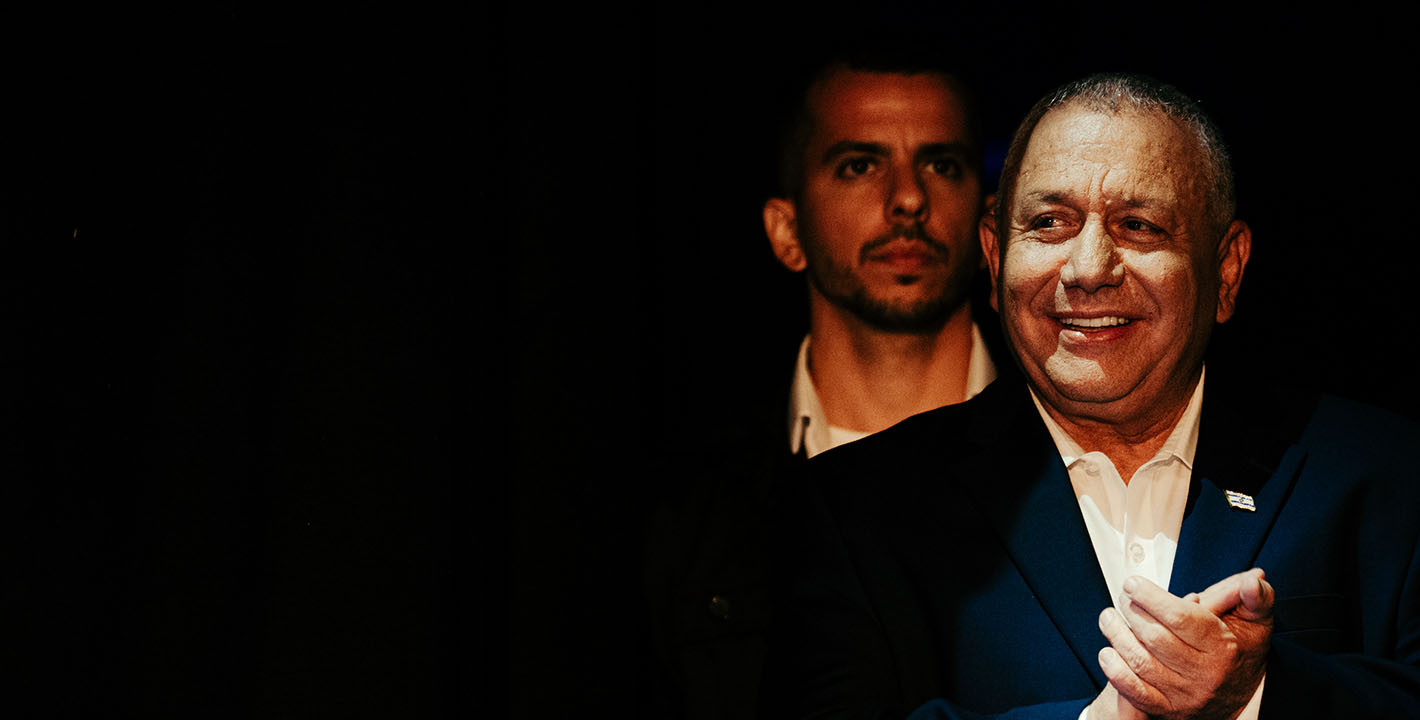
It is improbable that Israel’s forthcoming elections will alter much in terms of how the country thinks about security.

Nathan J. Brown

Huawei pushed hard to enter the Egyptian data centers market, until the Americans made a better offer.

Angie Omar

Middle Eastern states should welcome an accelerated U.S. disengagement from their region.

Michael Young

In an interview, former ambassador Charles Freeman assesses the Trump administration’s war against Iran.
Michael Young

The accord represents a pivotal moment in the region to avert a security vacuum in the Gulf.


Azeema Cheema, Mohanad Hage Ali