

تعليق
أرميناك توكماجيان
{
  "authors": [
    "أرميناك توكماجيان"
  ],
  "type": "commentary",
  "blog": "ديوان",
  "centerAffiliationAll": "",
  "centers": [
    "Carnegie Endowment for International Peace",
    "مركز مالكوم كير– كارنيغي للشرق الأوسط"
  ],
  "collections": [
    "ما وراء الحدث",
    "حقبة جديدة في سورية"
  ],
  "englishNewsletterAll": "",
  "nonEnglishNewsletterAll": "",
  "primaryCenter": "مركز مالكوم كير– كارنيغي للشرق الأوسط",
  "programAffiliation": "",
  "programs": [],
  "projects": [],
  "regions": [
    "سورية",
    "السياسة التركية",
    "إيران",
    "إسرائيل",
    "الولايات المتحدة",
    "روسيا"
  ],
  "topics": []
}
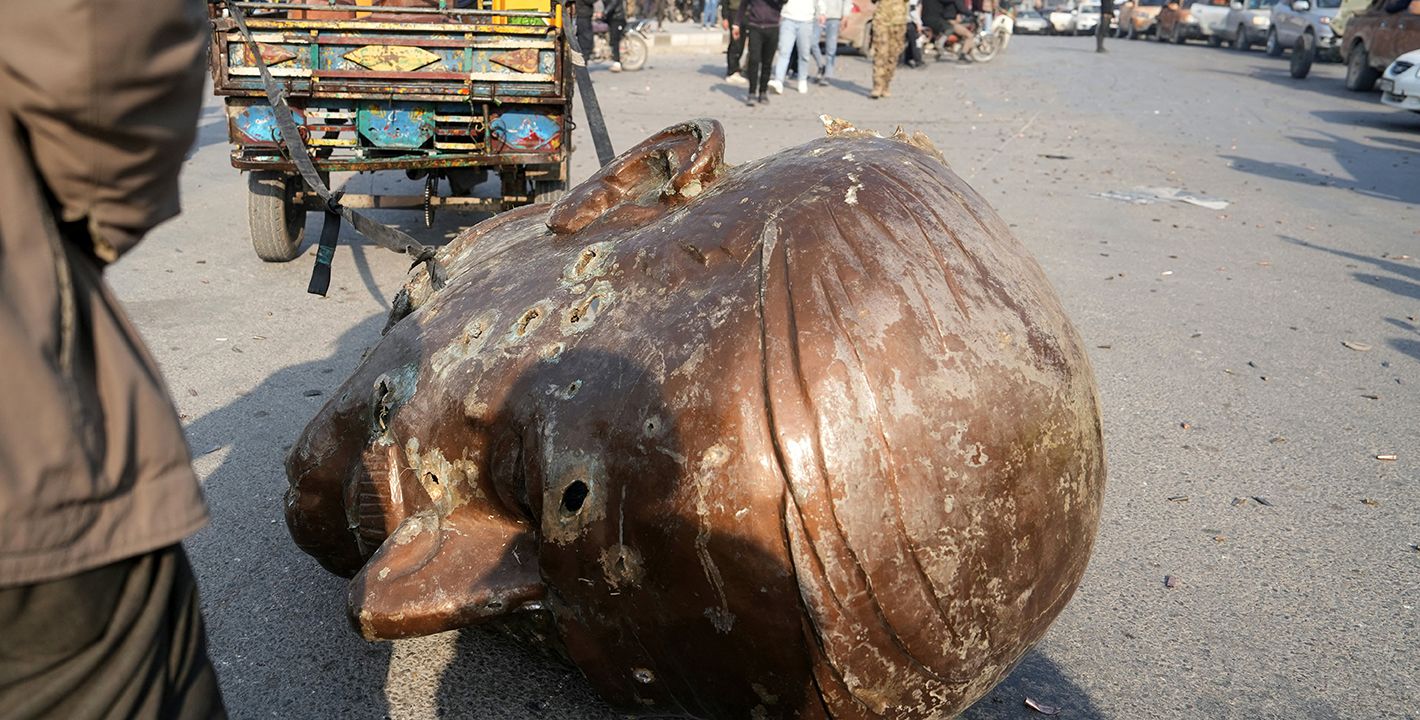
المصدر: Getty
تحليل مقتضب من باحثي كارنيغي حول الأحداث المتعلّقة بالشرق الأوسط وشمال أفريقيا.
لقد تمّت الإطاحة بالرئيس السوري بشار الأسد. أما تسلسل الأحداث الذي أدّى إلى هذه الحصيلة فبدأ بهجوم إدلب الخاطف الذي شنّته هيئة تحرير الشام، فرع تنظيم القاعدة في سورية سابقًا، وسيطرت في غضون أيام معدودة على مدينة حلب التي انسحبت منها قوات النظام بعد الانهيارات المتسارعة للخطوط الأمامية. لكن مدينة حماة حسمت مصير النظام، حيث نفّذت قواته عملية إعادة انتشار وتموضع في محاولةٍ لصدّ الهجوم، إلّا أنها لم تتمكّن من ذلك، ما أوقع النظام في حالةٍ من الفوضى والانهيار على الجبهات كافة.
وبعد الاستيلاء على حمص، هرب الأسد من دمشق من دون وقوع معارك أخرى، ودخلت مختلف فصائل المعارضة إلى العاصمة ثم وصل إليها قائد هيئة تحرير الشام أبو محمد الجولاني في 8 كانون الأول/ديسمبر مشيدًا بالنصر التاريخي. وأفادت التقارير أن روسيا منحت الأسد حقّ اللجوء. مع ذلك، لا يمكن القول إن الصراع السوري قد انتهى، في ظلّ المعارك المتواصلة بين القوات المدعومة من تركيا وقوات سورية الديمقراطية التي يهيمن عليها الأكراد في شمال شرق البلاد، والتوغل الإسرائيلي جنوبًا، وانتشار الفوضى في دمشق إلى حدٍّ ما. بل يبدو الوضع متقلّبًا للغاية، ويلوح في الأفق مزيجٌ من الأمل والخوف بشأن ما يحمله المستقبل.
كان يُنظر إلى بشار الأسد منذ فترة طويلة باعتباره العقبة الرئيسة أمام عملية الانتقال السياسي في سورية. وقد أتاح سقوطه الآن الفرصة أمام السوريين من أجل تأسيس إطارٍ وطني جديد لمستقبل وطنهم. لقد كان تعنّت الأسد ناجمًا عن اعتقاده بأنه خرج منتصرًا من الصراع، بفضل المكاسب العسكرية التي حقّقها مع حلفائه بين العامَين 2016 و2020، والتحوّلات الدبلوماسية المؤاتية له التي أعقبت ذلك. فدفعته هذه التطورات إلى السعي لإعادة النظام الذي كان قائمًا قبل العام 2011 بدلًا من القبول بعملية انتقالية.
مع ذلك، لا شيء مضمونٌ في الوقت الراهن، إذ يُرجَّح أن تواجه سورية تحديّات كثيرة، من بينها تضارب المصالح بين القوى المحلية والأجنبية، والانقسامات الفئوية والمناطقية، والتدخّلات الخارجية. ورحيل الأسد الفوضوي لم يؤدِّ سوى إلى مفاقمة هذه التحديّات. لا شكّ في أن الديناميات الناجمة عن ذلك ستتصادم في ما بينها، لذا ستصبح مهمّة السوريين المتمثّلة في إعادة إرساء إطار وطني جامع وموحّد في سورية صعبةً للغاية.
على المستوى الإقليمي، يشكّل سقوط نظام الأسد نهايةً لحقبةٍ كانت فيها دمشق خاضعة لهيمنة إيران، التي رسم صراعها مع إسرائيل معالم التطورات في سورية. ويشير سقوط الأسد أيضًا إلى أفول النفوذ الإيراني في دول المشرق العربي، والذي تعزَّز بشكل ملحوظ خلال المظاهرات التي عُرفت بالربيع العربي. فطهران استغلّت الانتفاضات التي اندلعت في المنطقة لتوسيع نفوذها الاجتماعي والاقتصادي والسياسي، وفتح ممرٍّ برّي يصلها بالبحر المتوسط عبر العراق وسورية ولبنان. وقد باءت الجهود التي بذلتها دولٌ عربية وتركيا وإسرائيل لتقويض هذا النظام الإقليمي بالفشل في الغالب، إلى حين وقوع أحداث 7 تشرين الأول/أكتوبر 2023 وإعلان إسرائيل الحرب على إيران ووكلائها. إن خسارة غزة، وإلحاق الهزيمة بحزب الله وتهميشه في لبنان، وسقوط نظام الأسد، كلّها تطوراتٌ وجّهت ضربة قاصمة للمشروع الإيراني التوسعي في المنطق، على الأقلّ في الوقت الراهن.
لا يزال مستقبل سورية غامضًا ومجهولًا، وتلوح في الأفق سيناريوهات مُحتمَلة عدّة للمرحلة المقبلة. فقد ينشب صراعٌ على السلطة بين مختلف الفصائل الناشطة في البلاد، أو قد تتسلّم مقاليد السلطة قوّة موحّدة أكثر، تقودها على الأرجح هيئة تحرير الشام. في مطلق الأحوال، يُرجَّح أن تبقى سورية ضعيفةً وغارقةً في مستنقع الصراعات الداخلية في المستقبل المنظور، وأن تشكّل ساحةً مفتوحة للتدخّلات الأجنبية، ما سيزيد من التحديات المُحدقة بمساعي تحقيق التعافي وإرساء الاستقرار في البلاد.
تُمثّل هذه التغييرات أيضًا فرصةً أمام حركات الإسلام السياسي للاضطلاع بدورٍ مركزي في المشهد السياسي السوري، ولو أن حجم هذا الدور وشكله غير مؤكّدَين بعد. صحيحٌ أن هيئة تحرير الشام تطورت وحاولت إبعاد نفسها عن جذورها حين كانت تنشط تحت اسم جبهة النصرة، لتأخذ شكل تنظيمٍ أكثر براغماتيةً ونُضجًا وقبولًا للآخر، ولكنها لا تزال، على مستوى القيادة وأيضًا على مستوى القواعد الشعبية، تدعو إلى نظام حكمٍ بديلٍ لسورية متجذّرٍ في الإسلام السياسي. وبفضل الدعم الكبير الذي تقدّمه تركيا وقطر، المؤيّدتان للإسلام السياسي، قد يستعيد هذا المشروع السياسي زخمه، علمًا أنه وُلد من رحم الصراع السوري قبل أن يُهمّش خلال السنتَين الماضيتَين.
أما تأثيرات الأحداث على الجبهة الإسرائيلية السورية فمهمّةٌ أيضًا. ولا شكّ أن انهيار محور المقاومة في سورية يمثّل انتصارًا كبيرًا لإسرائيل، إذ يكسر "الطوق الناري" الذي كان يحيط بها، ويقطع خطوط الإمداد التي اعتمد عليها حزب الله للتزوّد بالسلاح من إيران والعراق. يُضاف إلى ذلك أن إسرائيل احتلّت المنطقة العازلة المنزوعة السلاح في الجنوب السوري، والتي تمّ إنشاؤها قرب مرتفعات الجولان المحتلّة في العام 1974 بموجب اتفاقية فضّ الاشتباك بين البلدَين. وأعلن الإسرائيليون أيضًا إنهاء العمل بهذه الاتفاقية. غالب الظن أن الهدف من ذلك هو فرض وقائع جديدة على الأرض، وتحييد التهديدات الراهنة، ومنع ظهور تهديدات جديدة، فضلًا عن مراقبة الأوضاع الدائرة في سورية عن كثب.
يُشار إلى أن الأحداث الأخيرة كرّست تركيا أحد أكبر الرابحين، ومن المتوقّع أن تكتسب نفوذًا متزايدًا في المرحلة الآتية. فأنقرة تتمتّع بمزايا استراتيجية مهمّة مقارنةً مع الدول الأخرى، نظرًا إلى شبكتها القوية من الحلفاء والوكلاء على المستويَين العسكري والسياسي على السواء، وملايين السوريين الذين استفادوا من المساعدات التركية في الشمال. وفي موازاة الدعم المالي الذي توفّره قطر، تُعدّ أنقرة في موقعٍ جيّدٍ يتيح لها تحديد ملامح التطورات المحلية والإقليمية المتعلقة بسورية على مدى الأشهر والسنوات المقبلة.

باحث غير مقيم، مركز مالكوم كير– كارنيغي للشرق الأوسط
أرميناك توكماجيان باحث غير مقيم في مركز مالكوم كير– كارنيغي للشرق الأوسط في بيروت، حيث تتركّز أبحاثه على قضايا الحدود والصراع، واللاجئين السوريين، والوسطاء المحليين في سورية.
الأعمال الحديثة
أرميناك توكماجيان
أرميناك توكماجيان
لا تتخذ كارنيغي مواقف مؤسسية بشأن قضايا السياسة العامة؛ الآراء المعبر عنها هنا هي آراء المؤلف(ين) ولا تعكس بالضرورة آراء كارنيغي أو موظفيها أو أمنائها.
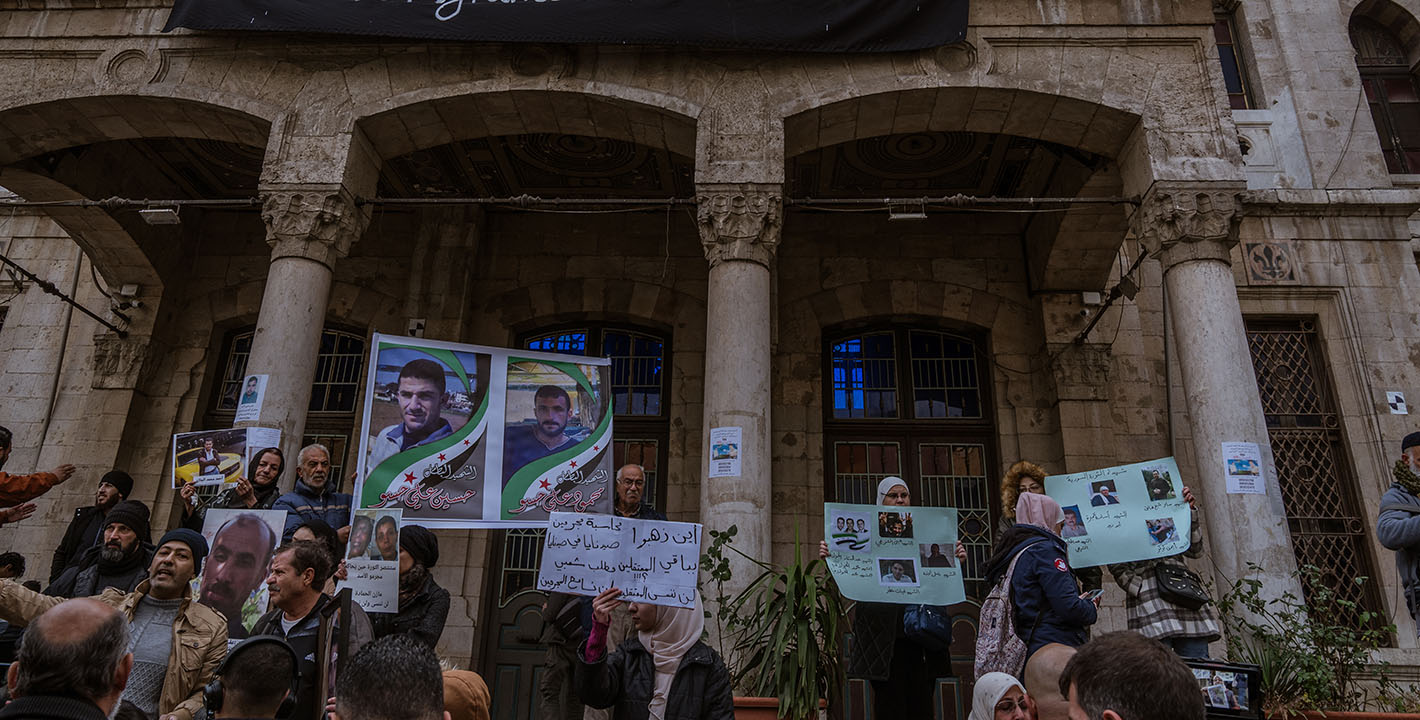
تبرز مجالس الصلح في مختلف أنحاء البلاد للتوسّط في النزاعات داخل المجتمعات المحلية التي يعود الكثير منها إلى سنوات الحرب.
ناتاشا دانون

تناقش روزينا علي، في مقابلة معها، كتابها الجديد حول تصاعد ظاهرة كراهية الإسلام وتجليّاتها في الولايات المتحدة.

مايكل يونغ
قد تكون المملكة على مسار الانتقال من التركيز على إدارة الصراع نحو العمل على حلّه، مُستفيدةً من أدوات الضغط الأوروبية.

مروان المعشّر

يناقش إيان لاستيك وإلاي كليفتون، في مقابلة معهما، كتابهما الجديد حول أسباب تمتُّع حليفٍ بارز بهذا القدر من النفوذ في الولايات المتحدة.
مايكل يونغ
تتقاطع استحقاقات مفصلية في أُفق المنطقة والعالم تخصّ إسرائيل وفلسطين والولايات المتحدة.
مروان المعشّر