

Report
- +1
Dr. Demetrios Papademetriou, Mr. John Audley, Ms. Sandra Polaski, …
{
  "authors": [
    "John Audley"
  ],
  "type": "legacyinthemedia",
  "centerAffiliationAll": "",
  "centers": [
    "Carnegie Endowment for International Peace"
  ],
  "collections": [],
  "englishNewsletterAll": "",
  "nonEnglishNewsletterAll": "",
  "primaryCenter": "Carnegie Endowment for International Peace",
  "programAffiliation": "",
  "programs": [],
  "projects": [],
  "regions": [],
  "topics": [
    "Economy",
    "Trade",
    "Security"
  ]
}
REQUIRED IMAGE
Source: Carnegie
Within days of the terrorist attacks on the World Trade Center and the Pentagon, several news organizations began suggesting that another likely casualty would be the upcoming World Trade Organization ministerial, scheduled to take place in Doha, Qatar, in early November. While trade officials may have selected Qatar to minimize the risk of public unrest now associated with global economic events, its location—a peninsula in the Persian Gulf, just west of Saudi Arabia and a stone's throw across the water from Iran—places it directly in the path of anticipated U.S.-led military action. Whether or not military activities have begun by November 9, when the ministerial is to open, it would be difficult to fault governments that would shun such a high-profile event in such a potentially dangerous place.
Officials such as U.S. Trade Representative Robert Zoellick argue forcefully for holding the meeting. In a statement released by the White House on September 14, Ambassador Zoellick said, "While we will take every possible step to ensure security, it is important that the World Trade Organization meeting in Doha proceed so that the world trading system can continue to promote international growth, development, and openness." At a press conference that same day, European Commission spokesperson Willy Helin said "There's no indication at all that the European Union would be in favor of postponing Doha. . . . We are keen that the meeting take place." Despite these efforts by the United States and the European Union to paint any postponement of the WTO meeting as a threat to continued economic development among poor countries, a more thoughtful reaction in the face of this tragedy would be for government officials and the interested public alike to take time and reassess the direction of the trade talks.
Even before last Tuesday's attacks, the Doha meeting faced a substantial chance of failure owing to conflicts among members over the terms of a new round of trade negotiations. Months of negotiations have failed to yield consensus on many key issues—including the elimination of agricultural subsidies; the proper role of labor and environmental standards; and the intellectual property rights of indigenous societies with “traditional knowledge”—and now the prospects of resolving these problems by November are even more remote. Developing country officials continue to resist efforts by the United States the European Union to accept a comprehensive trade round, arguing instead that issues related to implementing existing WTO obligations should come first. A well-timed cooling-off period could give all sides additional time to consider their positions, a strategy that may help the WTO avoid a repeat of its disastrous 1999 ministerial in Seattle.
While postponing or even canceling the WTO meeting would be interpreted by some as succumbing to terrorist pressure, the long-term impact of such an action depends largely on the messages that governments and interest groups communicate today. With some additional work, WTO members can send a positive message that the global trading system continues and will continue to resolve tensions between and among its members. First, China's entry into the WTO is an incredibly important event, especially for those who believe that trade liberalization can lead to greater economic prosperity and advances in democratic governance. Second, in the context of their continuing negotiations over a new trade round, member governments can discuss reforming the WTO for the 21st-century world where equity among members and accountability to the public are considered crucial to the long-term health of the global trading system.
Public interest groups also have a role to play in diffusing this tense situation. To avoid amplifying public fear associated with demonstrations, many non-governmental organizations called off their protest activities directed against this month's World Bank and International Monetary Fund meetings, even before the meetings themselves were canceled. Out of respect for the losses suffered by Morgan Stanley's headquarters formerly located in the WTC, the International Rivers Network has postponed its campaign against the company for its support of the Three Gorges River Dam project in China. And in this time of crisis, the Sierra Club has decided not to publicly criticize the environmental policies of the Bush administration. If the groups responsible for the demonstrations planned for the WTO ministerial cancel their activities before a formal decision is made, they too can show their support for government leaders who are now focused on orchestrating a global campaign against terrorism, and at the same time send the message that violence of any kind is wrong.
Once it is acknowledged that postponing the WTO ministerial is not tantamount to an admission of defeat at the hands of terrorism, some long-term good may emerge from the delay. By postponing the meeting and emphasizing successes like China's entry into the WTO, officials can take some of the pressure off negotiators who must already be operating around the clock to produce a highly pressurized—and perhaps flawed—deal. Further, by addressing developing country concerns over implementation and WTO procedures, and those of civil society on transparency, officials can demonstrate that they wish to see the trading system work in everyone's best interests.
A delay may also have significant benefits in the United States. U.S. trade negotiators continue their work without direction from the United States Congress, amid growing public opposition to the scope and direction of U.S. trade policy. Fast-track legislation—the primary vehicle through which Congress conveys its goals for U.S. trade policy—is now languishing in Congress, where budget authorizations and counter-terrorism measures will consume legislators' time and attention for the foreseeable future. During this crisis, elected leaders may try and strong-arm fast track through Congress, whether or not there is U.S. consensus regarding trade policy. Postponing this meeting provides the administration and Congress with more time to engage the public in a more thorough debate regarding U.S. trade policy priorities before such important authority is granted.
Last week's tragic attacks on the World Trade Center and the Pentagon were unconscionable by any stretch of the imagination, and their ramifications will continue to ripple through societies worldwide for some time to come. While it may be understandable for governments to try and complete unfinished work—like completing international negotiations to start a new trade round—until there is a better understanding of the broader implications of this tragedy perhaps it is wiser to put off these negotiations until a later date. Working together, public interest groups and elected officials can communicate to terrorist organizations that such a decision is not evidence of their success, but of the thoughtfulness and good will of people who share the hope of a just and sustainable world.
Former Senior Associate
Recent Work

Dr. Demetrios Papademetriou, Mr. John Audley, Ms. Sandra Polaski, …

Mr. John Audley, George Perkovich, Ms. Sandra Polaski, …

The armed forces champion a form of capitalism that is generating revenue, but its reliance on rent faces diminishing returns, leaving the country with massive sunk costs and deferred returns, deepening dependency on external borrowing.

Yezid Sayigh

Morocco and Algeria, each in its own way, are having to navigate the global economic fallout of the U.S.-Israeli military campaign against Iran.

Yasmine Zarhloule

Just look at Iraq in 1991.

Marwan Muasher

Baku may allow radical nationalists to publicly discuss “reunification” with Azeri Iranians, but the president and key officials prefer not to comment publicly on the protests in Iran.

Bashir Kitachaev
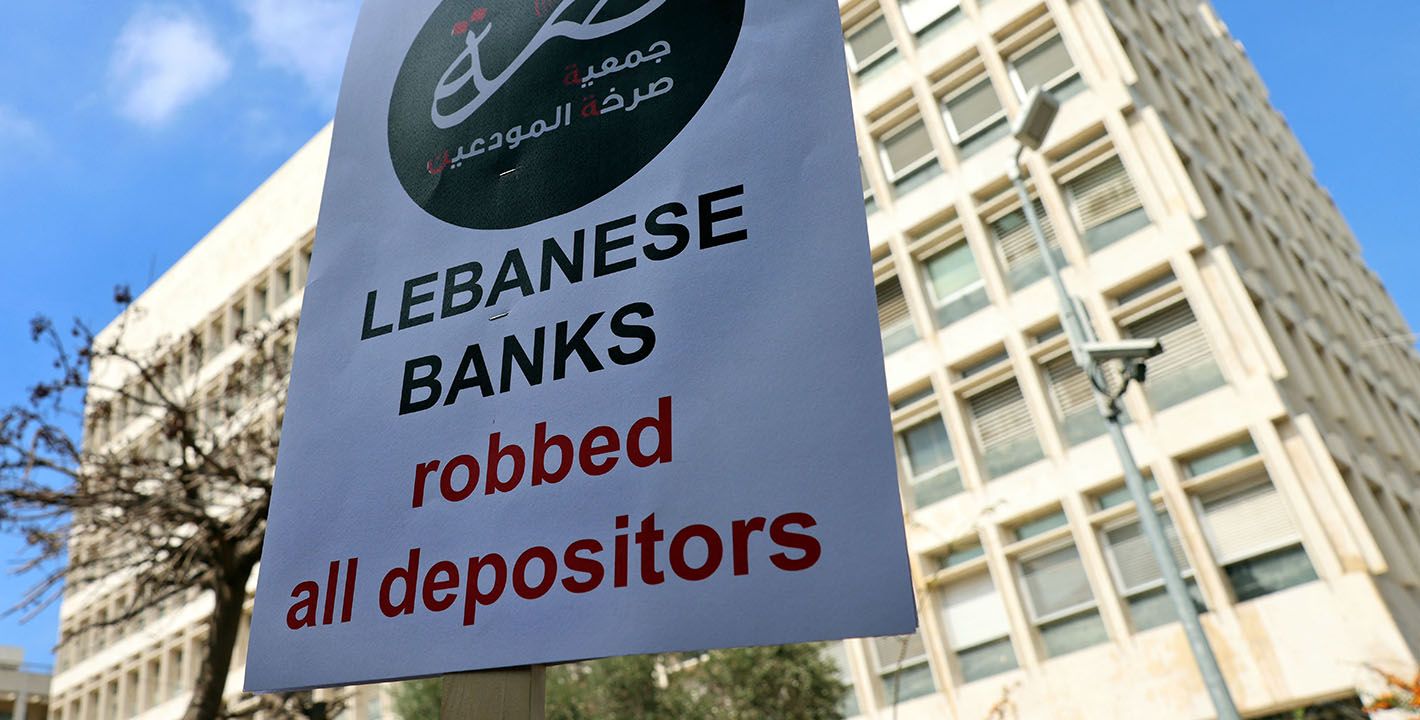
In an interview, Ishac Diwan looks at the merits and flaws in the draft legislation distributing losses from the financial collapse.

Michael Young