

Commentary
Ms. Amy Hawthorne
{
  "authors": [
    "Amy Hawthorne"
  ],
  "type": "legacyinthemedia",
  "centerAffiliationAll": "dc",
  "centers": [
    "Carnegie Endowment for International Peace"
  ],
  "collections": [],
  "englishNewsletterAll": "democracy",
  "nonEnglishNewsletterAll": "",
  "primaryCenter": "Carnegie Endowment for International Peace",
  "programAffiliation": "DCG",
  "programs": [
    "Democracy, Conflict, and Governance"
  ],
  "projects": [],
  "regions": [
    "United States",
    "Middle East"
  ],
  "topics": [
    "Political Reform",
    "Democracy",
    "Foreign Policy"
  ]
}
REQUIRED IMAGE
Source: Carnegie
Current History, January, 2003.
Click here to read view a pdf of the full text.
The Arab world's democracy deficit has finally captured Washington's attention. Despite this high-level interest, the Bush administration has yet to formulate a realistic democracy-promotion strategy for the Middle East. Ambitious plans to replace current regimes with democratic successors have been proposed for some leaders the United States opposes; elsewhere, a more low-key approach seems to be emerging. What is needed is a sustained policy of high-level engagement with Arab governments, along with support for openings that would bolster reformist groups, and a willingness to accept that genuine political change will be bumpy. Even this modest policy would represent a dramatic and difficult shift for the United States, especially as regional tensions increase.

Former Associate
Recent Work
Ms. Amy Hawthorne
Ms. Amy Hawthorne, Hesham Nasr
Carnegie does not take institutional positions on public policy issues; the views represented herein are those of the author(s) and do not necessarily reflect the views of Carnegie, its staff, or its trustees.
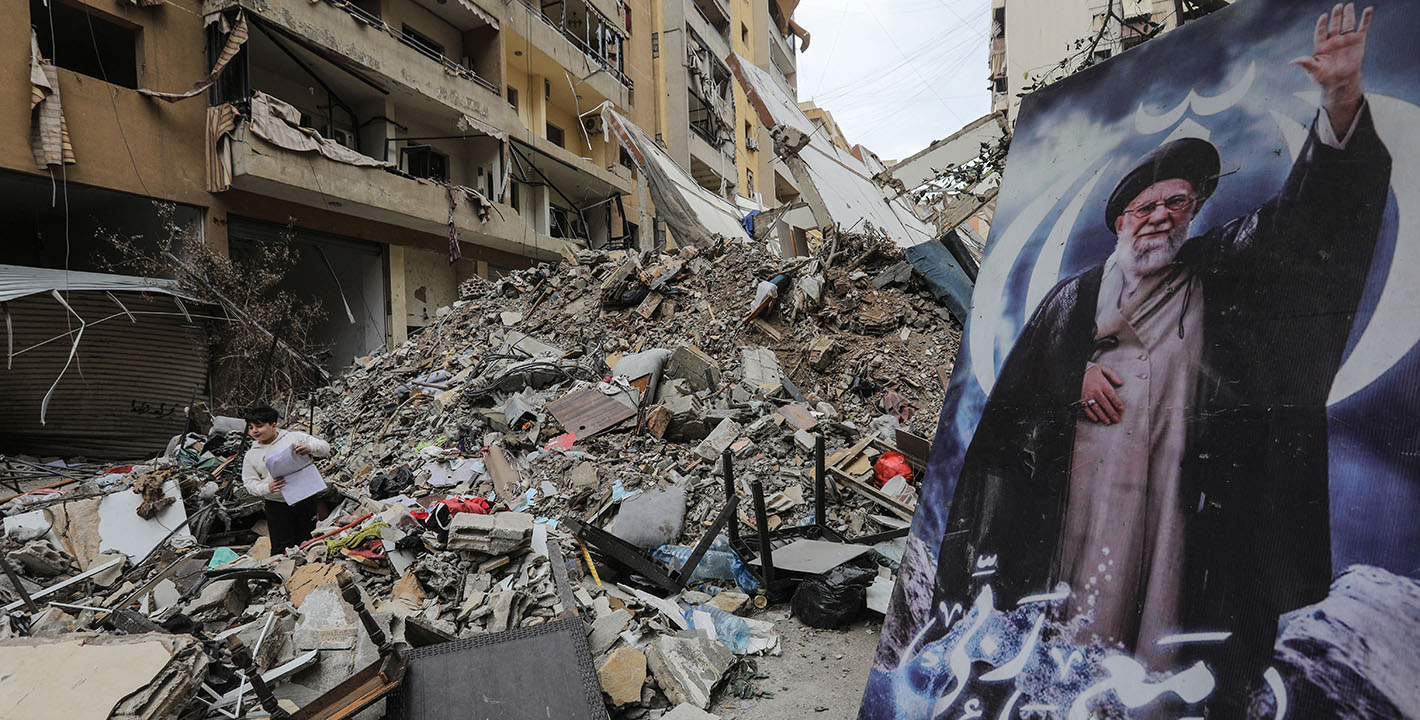
As talks begin between Washington and Tehran, Beirut has an opening to advance a regional plan for the party’s disarmament.

Michael Young

What is behind Marco Rubio’s announcement that the body is now an international nongovernmental organization?

Zaha Hassan

Policy discussion is ignoring that the Palestinian national project is hollowed out and apartheid is a present danger.

Nathan J. Brown
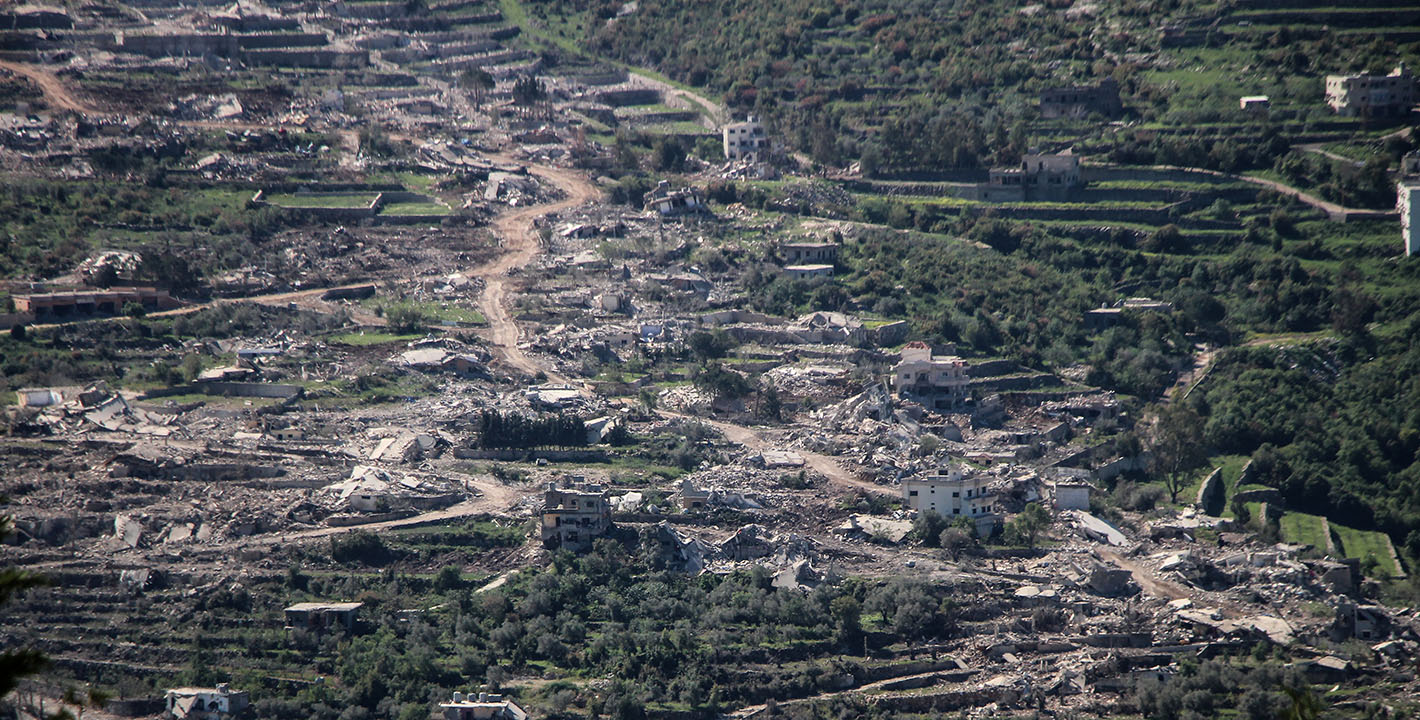
As negotiations with Iran and Lebanon continue, chaos is at the heart of the Netanyahu government’s calculations.
Michael Young
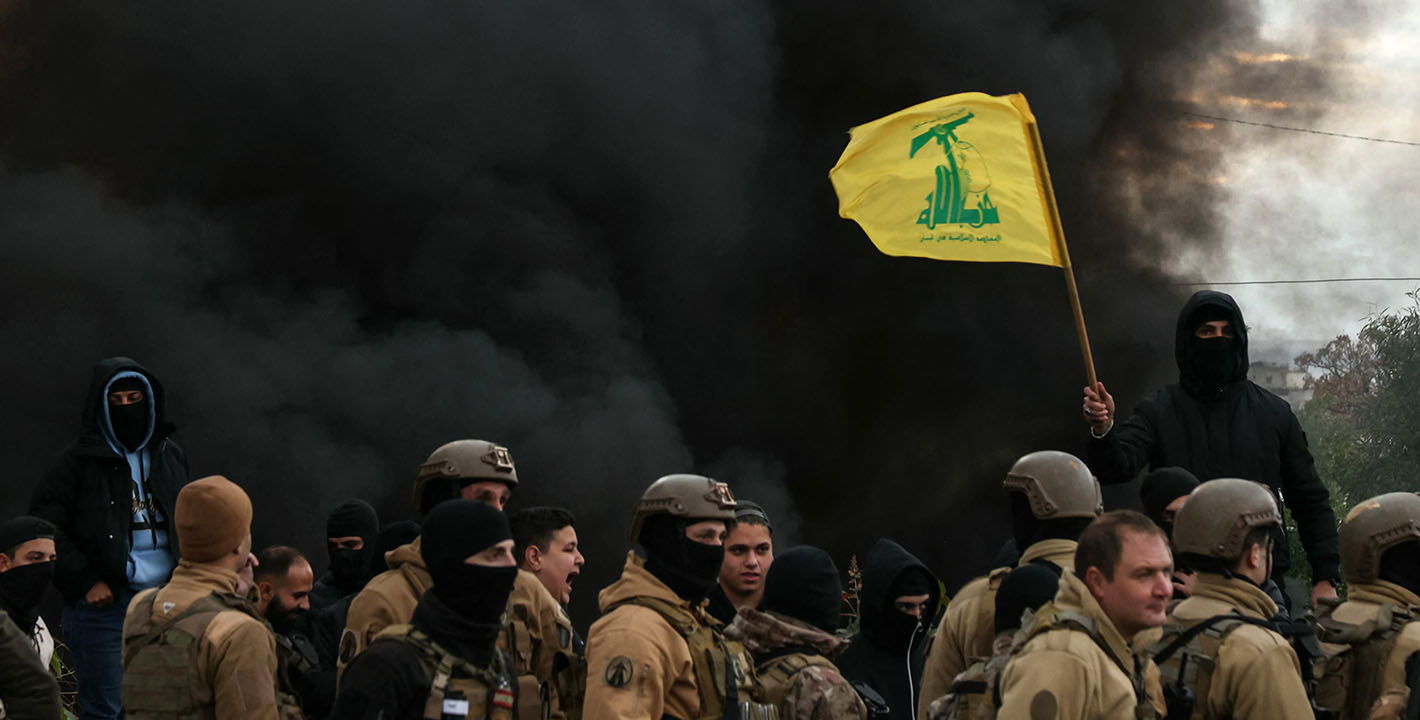
The party’s domestic and regional roles have changed, so Lebanon should devise a disarmament strategy that encompasses this.
Michael Young