

Commentary
Nathan J. Brown
{
  "authors": [
    "Nathan J. Brown"
  ],
  "type": "other",
  "centerAffiliationAll": "dc",
  "centers": [
    "Carnegie Endowment for International Peace"
  ],
  "collections": [],
  "englishNewsletterAll": "democracy",
  "nonEnglishNewsletterAll": "",
  "primaryCenter": "Carnegie Endowment for International Peace",
  "programAffiliation": "DCG",
  "programs": [
    "Democracy, Conflict, and Governance"
  ],
  "projects": [],
  "regions": [
    "Middle East",
    "Iraq"
  ],
  "topics": [
    "Political Reform",
    "Democracy"
  ]
}
REQUIRED IMAGE
Source: Carnegie Endowment
The approval of the Iraqi constitution on October 15 marked the first step in crafting the country's political structure. However, it also exposed the depth of the domestic divisions through the lopsided (and almost exclusively ethnic and sectarian) voting trends in which Shii and Kurdish areas almost unanimously approved the draft while Sunni areas rejected it by overwhelming margins.
American officials have become very explicit that their strategy for political reconstruction in Iraq hinges on the viability of a “political process” that attracts the involvement and support of major groups in Iraqi society. In a new Policy Outlook, Is Political Consensus Possible in Iraq?, Senior Associate Nathan Brown examines the four most critical elements of that process--elections, legislation, constitutional revision, and building federalism--and shows how they are just as likely to engender conflict as consensus. He provides a set of clear benchmarks for measuring the success of the effort to build a more consensual political system.
This is a web-only publication.
Click on the link above for the full text of this Carnegie publication.
About the Author
Nathan Brown is a senior associate at the Carnegie Endowment for International Peace. He is author of four books on Arab politics, including Constitutions in a Nonconstitutional World: Arab Basic Laws and the Prospects for Accountable Government. He has written extensively on the Iraq constitution and its implications.

Nonresident Senior Fellow, Middle East Program
Nathan J. Brown, a professor of political science and international affairs at George Washington University, is a distinguished scholar and author of nine books on Arab politics and governance, as well as editor of five books.
Recent Work
Nathan J. Brown
Nathan J. Brown
Carnegie does not take institutional positions on public policy issues; the views represented herein are those of the author(s) and do not necessarily reflect the views of Carnegie, its staff, or its trustees.

Following its deal with the United States, Iran may act against Iraq-based dissidents.
Wladimir van Wilgenburg

There is a disturbing structural parallel between the old global energy economy and the new green transition.

Angie Omar

This will be the region’s most representative tournament, amid broad changes in its footballing landscape.

Issam Kayssi
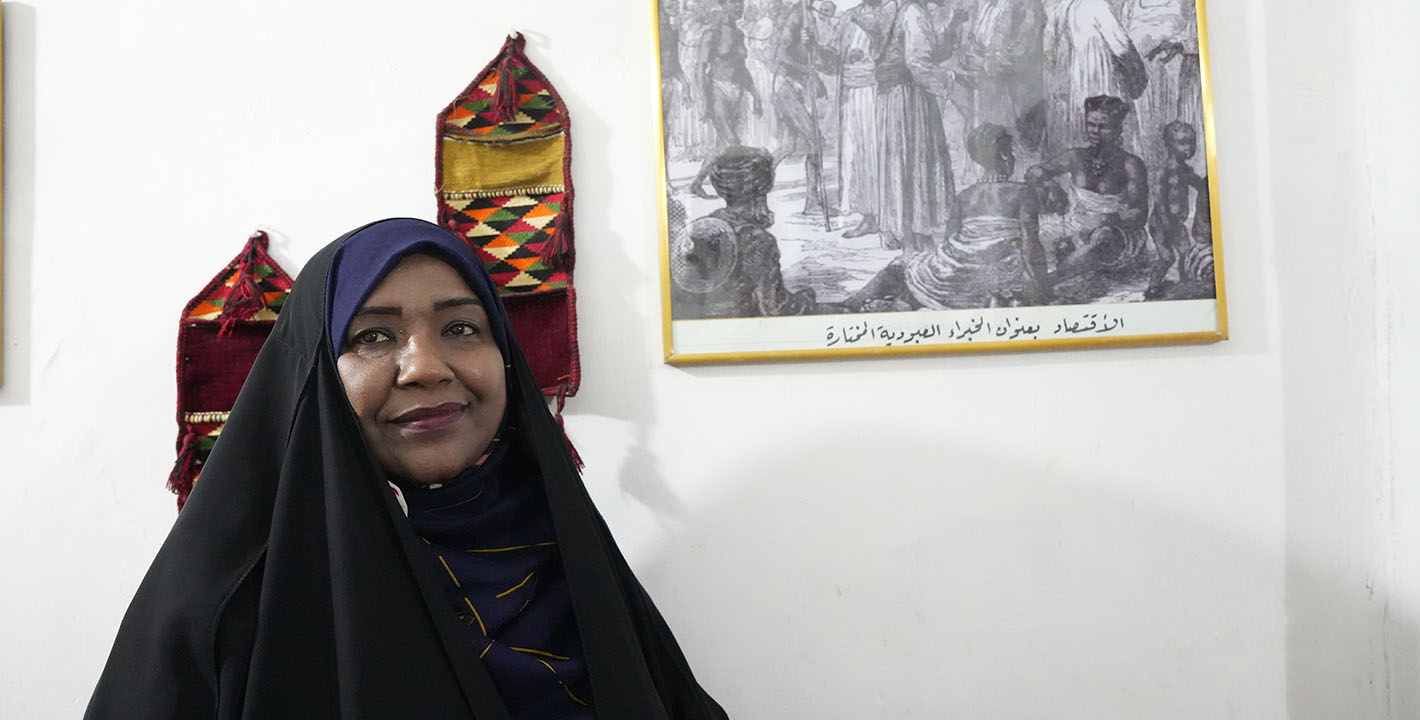
In Basra, an ethnoracial minority wages a constant struggle to assert itself in the face of marginalization.

Zeinab Shuker
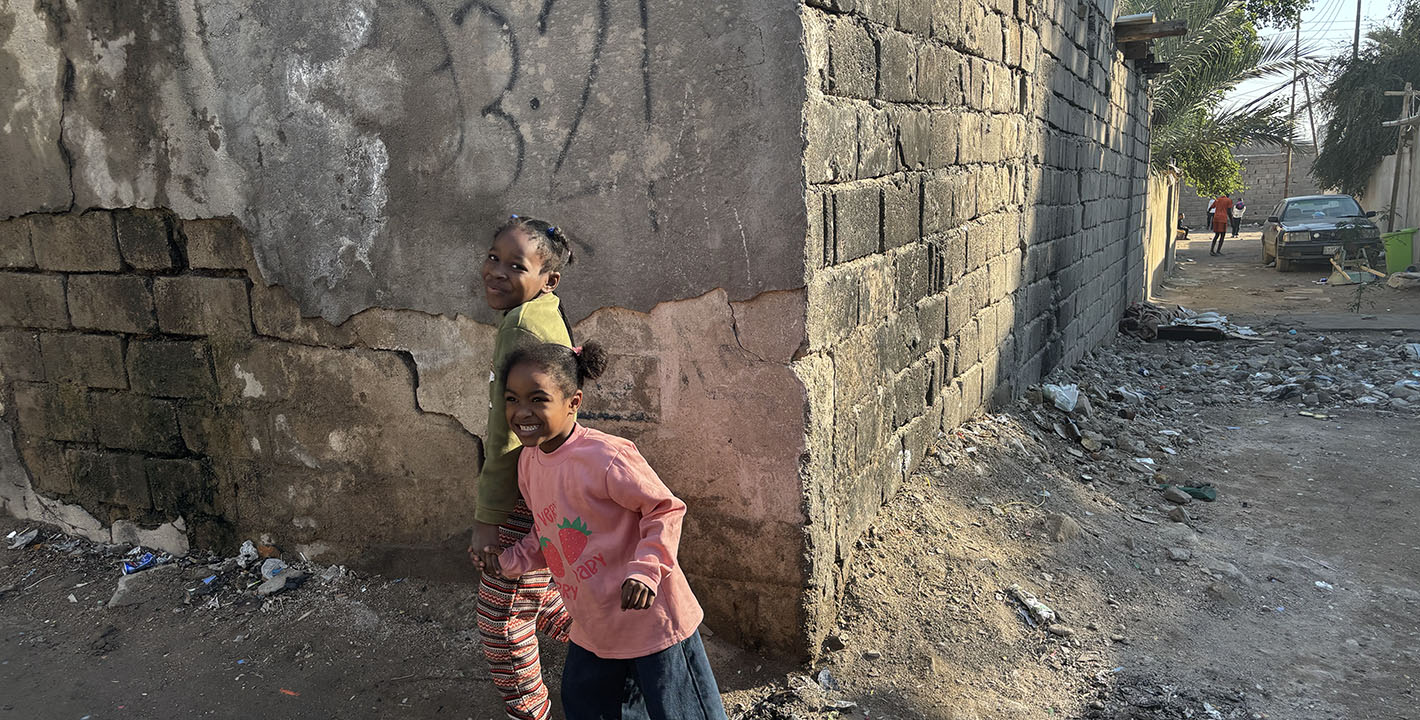
Afro-Iraqis experience political, economic, and social marginalization and discrimination, which exposes the poorest members of the community to the harsh realities of the region’s climate disaster.
Zeinab Shuker