

Commentary
As the U.S. stumbles in its war with Iran, we are likely to see an acceleration of its disengagement from the region.
Michael Young
{
  "authors": [
    "Amr Hamzawy",
    "Marina Ottaway",
    "Nathan J. Brown"
  ],
  "type": "other",
  "centerAffiliationAll": "dc",
  "centers": [
    "Carnegie Endowment for International Peace",
    "Malcolm H. Kerr Carnegie Middle East Center"
  ],
  "collections": [],
  "englishNewsletterAll": "menaTransitions",
  "nonEnglishNewsletterAll": "",
  "primaryCenter": "Malcolm H. Kerr Carnegie Middle East Center",
  "programAffiliation": "MEP",
  "programs": [
    "Middle East"
  ],
  "projects": [],
  "regions": [
    "Middle East"
  ],
  "topics": [
    "Political Reform"
  ]
}
REQUIRED IMAGE
In this Carnegie Policy Outlook, What Islamists Need to be Clear About: The Case of the Egyptian Muslim Brotherhood, Hamzawy, Ottaway, and Brown respond to the reactions and critiques by Islamists and seek to explain the issues on which Islamist movements need to achieve greater clarity in order to gain credibility in the West.
Source: Carnegie Endowment
In March 2006, Carnegie senior associates Amr Hamzawy, Marina Ottaway, and Nathan Brown explored the ambiguous position of moderate Islamist movements on crucial political issues—what the authors referred to as “gray zones”. The paper elicited many responses, positive and negative, by representatives of Islamist movements.
In this Carnegie Policy Outlook, What Islamists Need to be Clear About: The Case of the Egyptian Muslim Brotherhood, Hamzawy, Ottaway, and Brown respond to the reactions and critiques by Islamists and seek to explain the issues on which Islamist movements need to achieve greater clarity in order to gain credibility in the West. Using the case of the Egyptian Muslim Brotherhood, the authors address Western concerns over the Islamist political vision and provide new analysis into the complexity of the Brotherhood’s position on key issues such as Sharia law, religious identity, organization and leadership, universal citizenship, and women’s rights.
“We believe that this attempt to explain Western views of a problem to an audience in the Middle East typifies the Carnegie Endowment’s New Vision of what a twenty-first century think tank should do, namely not only provide policy makers and analysts with information and insights about other regions of the world, but also provide policy makers and analysts in other parts of the world with a better understanding of the United States and the West,” said the authors.
Click on the link above for the full text of this Carnegie publication.
This is a web-only publication.
About the Authors
Amr Hamzawy is a senior associate in the Democracy and Rule of Law Project at the Carnegie Endowment. He is a noted Egyptian political scientist whose research focuses on the changing dynamics of political participation in the Arab world, and the political role of Islamist movements.
Marina Ottaway is director of the Middle East Program and senior associate in the Democracy and Rule of Law Project at the Carnegie Endowment. She coedited with Thomas Carothers Uncharted Journey: Promoting Democracy in the Middle East (Carnegie, 2005)
Nathan Brown is a senior associate at the Carnegie Endowment and is also professor of political science and international affairs and director of the Middle East Studies Program at the George Washington University.

Director, Middle East Program
Amr Hamzawy is a senior fellow and the director of the Carnegie Middle East Program. His research and writings focus on Egypt’s and other middle powers’ involvement in regional security in the Middle East, particularly through collective diplomacy and multilateral conflict resolution

Former Senior Associate, Middle East Program
Before joining the Endowment, Ottaway carried out research in Africa and in the Middle East for many years and taught at the University of Addis Ababa, the University of Zambia, the American University in Cairo, and the University of the Witwatersrand in South Africa.

Nonresident Senior Fellow, Middle East Program
Nathan J. Brown, a professor of political science and international affairs at George Washington University, is a distinguished scholar and author of nine books on Arab politics and governance, as well as editor of five books.
Carnegie does not take institutional positions on public policy issues; the views represented herein are those of the author(s) and do not necessarily reflect the views of Carnegie, its staff, or its trustees.

As the U.S. stumbles in its war with Iran, we are likely to see an acceleration of its disengagement from the region.

Michael Young
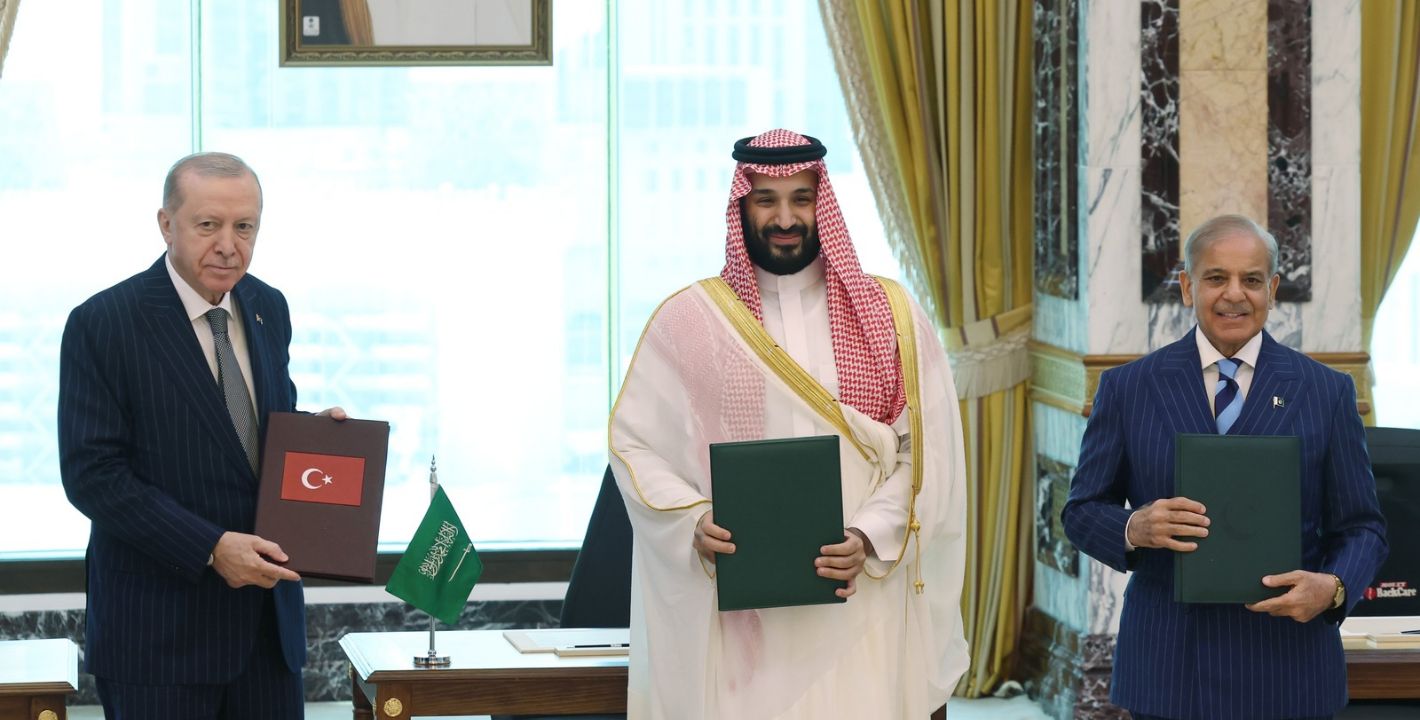
The accord represents a pivotal moment in the region to avert a security vacuum in the Gulf.


Azeema Cheema, Mohanad Hage Ali
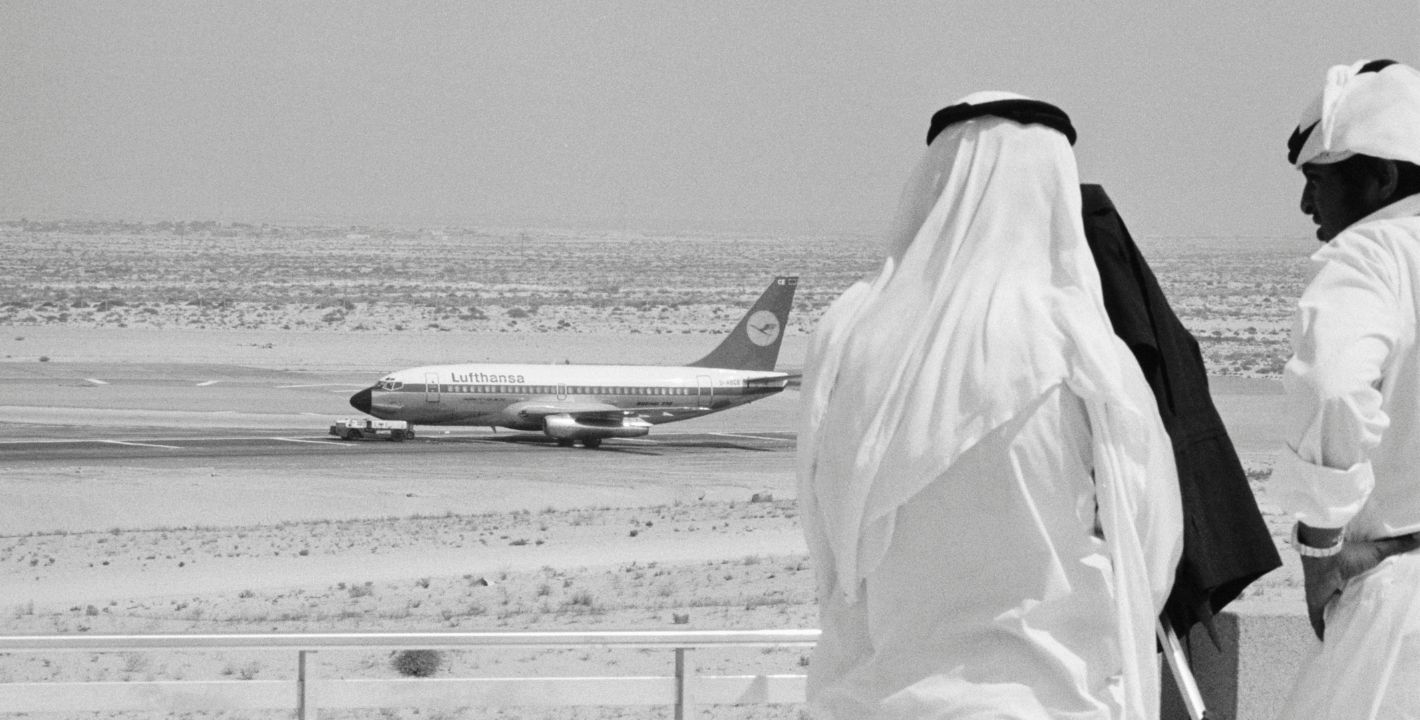
In an interview, Jason Burke discusses his sweeping account of the “revolutionists” who so shaped the 1970s and early 1980s.
Michael Young

Just look at Iraq in 1991.

Marwan Muasher

As Iran defends its interests in the region and its regime’s survival, it may push Hezbollah into the abyss.
Michael Young