

Commentary
Huawei pushed hard to enter the Egyptian data centers market, until the Americans made a better offer.
Angie Omar
{
  "authors": [],
  "type": "pressRelease",
  "centerAffiliationAll": "dc",
  "centers": [
    "Carnegie Endowment for International Peace"
  ],
  "collections": [],
  "englishNewsletterAll": "menaTransitions",
  "nonEnglishNewsletterAll": "",
  "primaryCenter": "Carnegie Endowment for International Peace",
  "programAffiliation": "MEP",
  "programs": [
    "Middle East"
  ],
  "projects": [],
  "regions": [
    "Middle East"
  ],
  "topics": [
    "Political Reform"
  ]
}
REQUIRED IMAGE
Despite recent electoral reform, Kuwait’s parliamentary election on May 17 will produce little change. This question and answer guide explains the significance of the election, and the implications of the electoral reform on campaigning, opportunities for women in Kuwaiti politics, and most significantly, for democracy in the Gulf.
WASHINGTON, May 7—Despite recent electoral reform, Kuwait’s parliamentary election on May 17 will produce little change and continue to foster a parliament more adept at blocking the ruling family than initiating positive change, argues Middle East expert Nathan Brown. Increasing frustration with parliament led Kuwait’s ruling family to call an early election and has fueled speculation that they may suspend parliament.
Brown provides a question and answer guide to explain the significance of the election, and the implications of the electoral reform on campaigning, opportunities for women in Kuwaiti politics, and most significantly, for democracy in the Gulf—an important development the United States is overlooking.
Key Conclusions:
Brown argues that Kuwait’s looming political crisis may have some serious implications for democracy in the Gulf: “The ruling family tends to blame the parliament for Kuwait’s failure to develop as rapidly as Dubai—a model which allows the government to make decisions unhindered by democratic institutions. Other countries in the region are coming to see Kuwait as a negative model of what democracy can result in. Kuwaitis are increasingly debating how to reform (or whether to scale back) their democratic experiment.”

Carnegie does not take institutional positions on public policy issues; the views represented herein are those of the author(s) and do not necessarily reflect the views of Carnegie, its staff, or its trustees.

Huawei pushed hard to enter the Egyptian data centers market, until the Americans made a better offer.

Angie Omar

The accord represents a pivotal moment in the region to avert a security vacuum in the Gulf.


Azeema Cheema, Mohanad Hage Ali
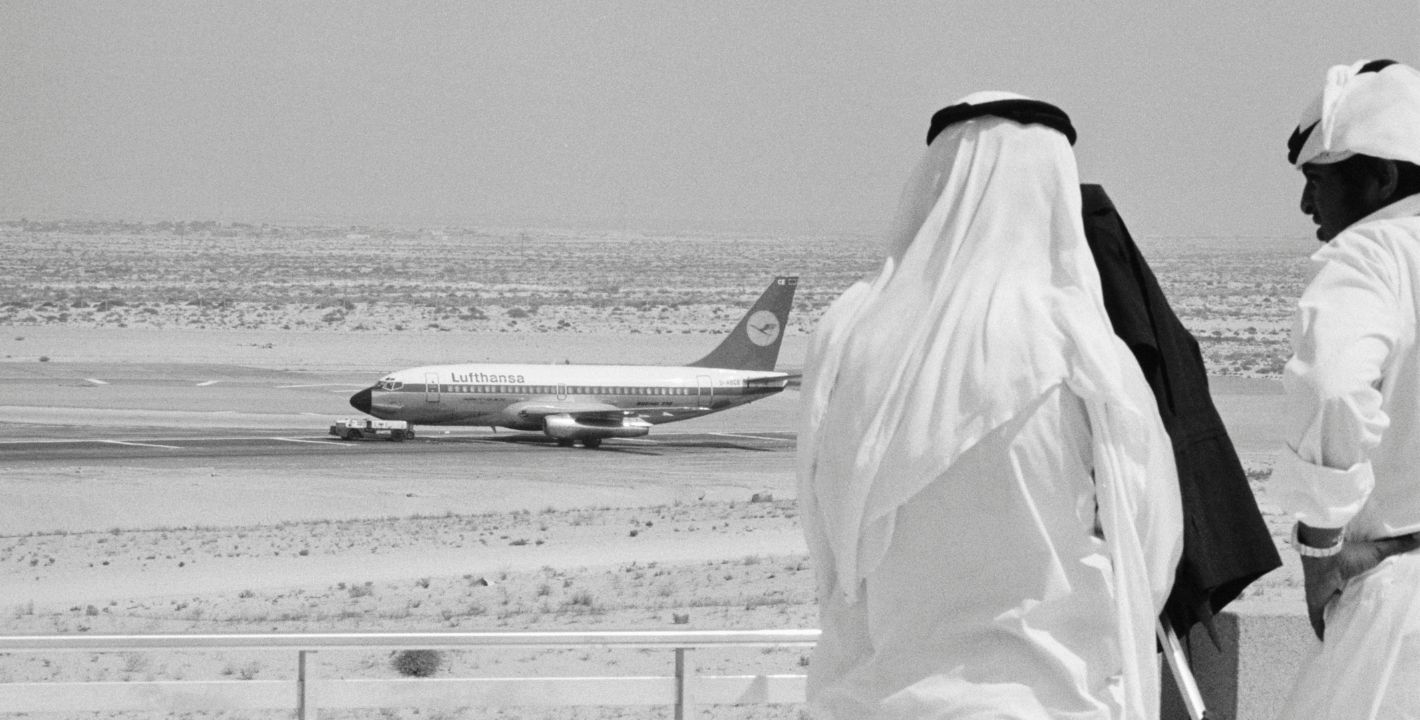
In an interview, Jason Burke discusses his sweeping account of the “revolutionists” who so shaped the 1970s and early 1980s.

Michael Young

There is a disturbing structural parallel between the old global energy economy and the new green transition.
Angie Omar

Just look at Iraq in 1991.

Marwan Muasher