

Article
Marina Ottaway, Omar Hossino
{
  "authors": [
    "Marina Ottaway"
  ],
  "type": "other",
  "centerAffiliationAll": "dc",
  "centers": [
    "Carnegie Endowment for International Peace",
    "Malcolm H. Kerr Carnegie Middle East Center"
  ],
  "collections": [],
  "englishNewsletterAll": "menaTransitions",
  "nonEnglishNewsletterAll": "",
  "primaryCenter": "Malcolm H. Kerr Carnegie Middle East Center",
  "programAffiliation": "MEP",
  "programs": [
    "Middle East"
  ],
  "projects": [],
  "regions": [
    "Middle East"
  ],
  "topics": [
    "Political Reform",
    "Democracy"
  ]
}
REQUIRED IMAGE
U.S. democracy promotion efforts in the Middle East should focus on realistic political reform goals that correspond both to regional realities and the limited degree of actual U.S. influence. The most pressing issue facing Arab countries is the development of political systems that can contend with evolving socio-economic realities and open participation to political opposition, argues Carnegie Middle East Program Director Marina Ottaway.
Source: Carnegie Endowment
U.S. democracy promotion efforts in the Middle East should focus on realistic political reform goals that correspond both to regional realities and the limited degree of actual U.S. influence. The most pressing issue facing Arab countries is the development of political systems that can contend with evolving socio-economic realities and open participation to political opposition, argues Carnegie Middle East Program Director Marina Ottaway.
An aggressive policy to promote a true redistribution of power is unlikely to succeed and could prove destabilizing at a time when the next U.S. president will already face crisis conditions in Iraq and Palestine, a defiant Iran, an unstable Lebanon, and high oil prices. In this policy brief, Democracy Promotion in the Middle East: Restoring Credibility, Ottaway argues that the United States can, however, still play a useful role in encouraging reforms.
Future U.S. democracy promotion efforts should:
• Draw a clear distinction between regime change and democracy promotion
• Set modest goals for a limited number of countries and pursue them quietly but transparently
• Consult with and listen to countries from the region before deciding which changes to encourage and support
• Affirm the United States’ intention to talk with all political and civil society actors—not as a sign of support or legitimacy, but as a reflection of the need for better understanding.
Ottaway concludes:
“Although the steps advocated here represent a retreat from the flamboyant rhetoric of the recent past, they are not a retreat from the promotion of political reform, which requires not words but consistent action. Democracy promotion in the Middle East has led to no positive results, while undermining U.S. credibility across the region. Neither incumbent regimes nor reform advocates believe any longer that the United States is seeking the democratic transformation of the region. Credibility will not be restored by new rhetoric but by consistent efforts to promote attainable goals.”
Click on the link above for the full text of this Carnegie publication.
A limited number of print copies are available.
Request a copy
About the Author
Marina S. Ottaway, director of the Carnegie Middle East Program, specializes in democracy and post-conflict reconstruction issues, including political transformation in the Middle East and reconstruction in Iraq, Afghanistan, the Balkans, and African countries. She is a senior associate in the Democracy and Rule of Law Program, which analyzes the state of democracy around the world and the efforts by the United States and other countries to promote democracy.

Former Senior Associate, Middle East Program
Before joining the Endowment, Ottaway carried out research in Africa and in the Middle East for many years and taught at the University of Addis Ababa, the University of Zambia, the American University in Cairo, and the University of the Witwatersrand in South Africa.
Recent Work
Marina Ottaway, Omar Hossino
Marina Ottaway
Carnegie does not take institutional positions on public policy issues; the views represented herein are those of the author(s) and do not necessarily reflect the views of Carnegie, its staff, or its trustees.

Just look at Iraq in 1991.

Marwan Muasher
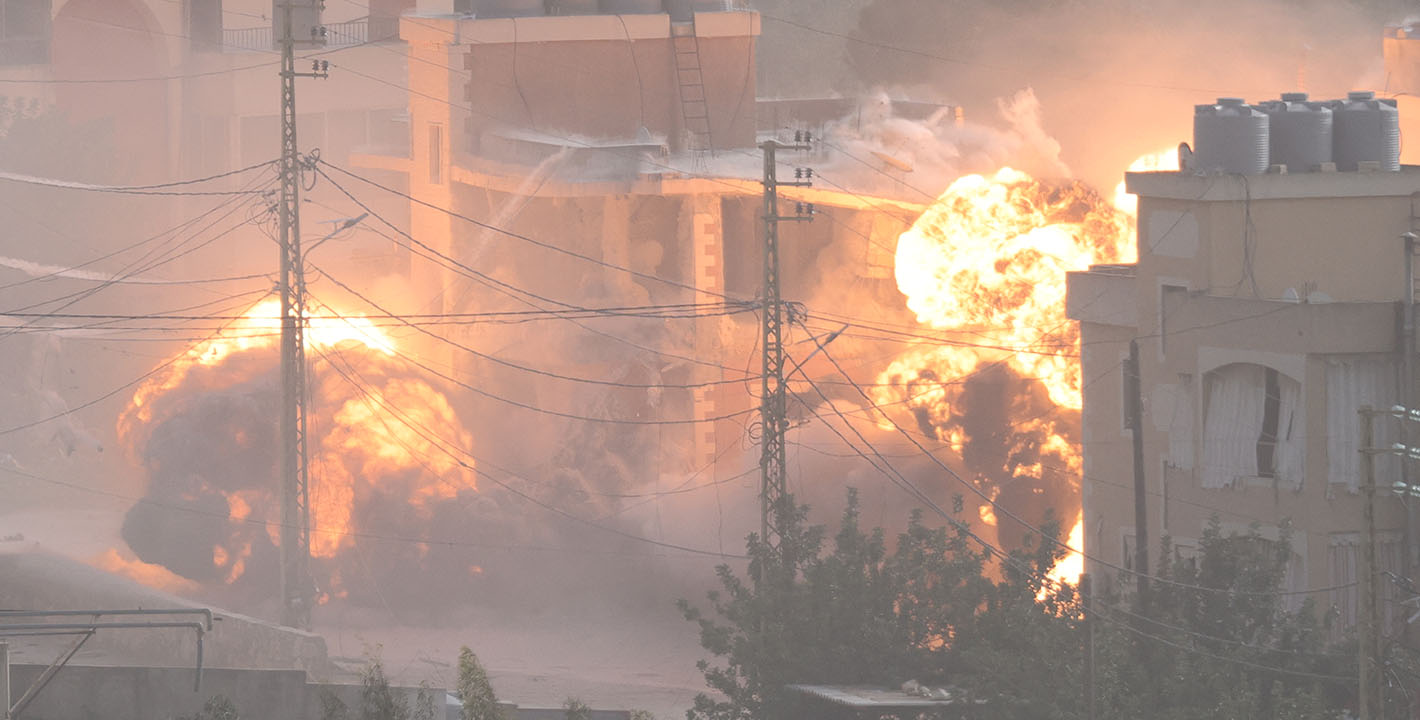
As Iran defends its interests in the region and its regime’s survival, it may push Hezbollah into the abyss.

Michael Young
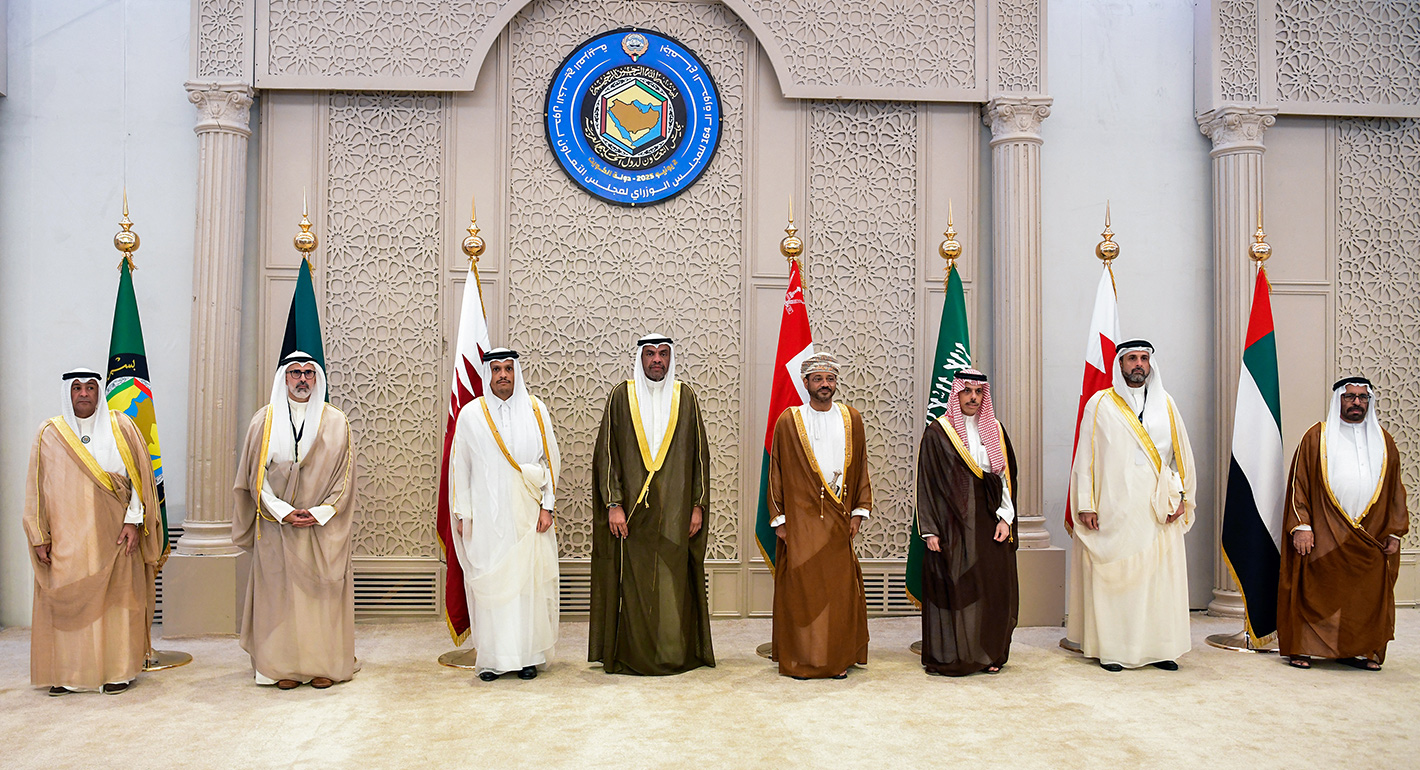
Without structural reform, the organization, which is racked by internal rivalries, risks sliding into irrelevance.

Hesham Alghannam
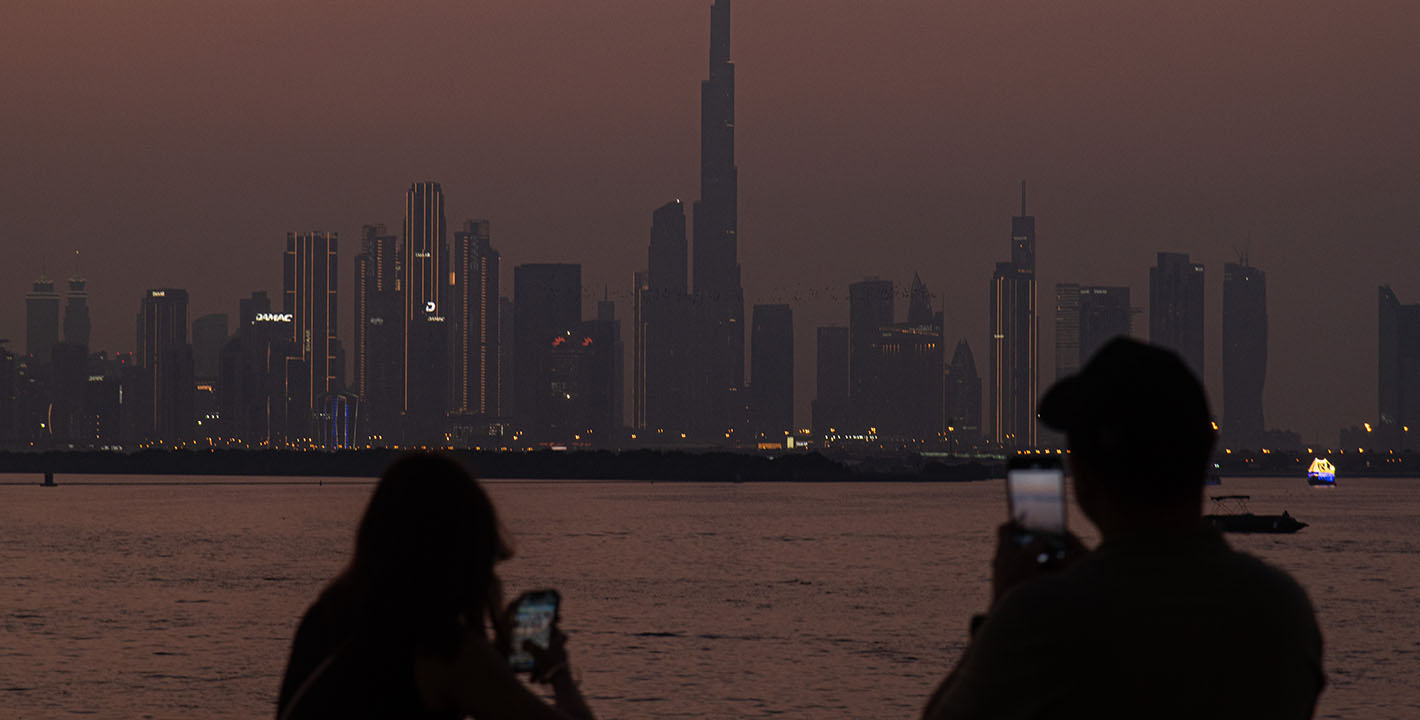
Fifteen years after the Arab uprisings, a new generation is mobilizing behind an inclusive growth model, and has the technical savvy to lead an economic transformation that works for all.
Jihad Azour

Baku may allow radical nationalists to publicly discuss “reunification” with Azeri Iranians, but the president and key officials prefer not to comment publicly on the protests in Iran.

Bashir Kitachaev