

In The Media
Minxin Pei
{
  "authors": [
    "Minxin Pei"
  ],
  "type": "legacyinthemedia",
  "centerAffiliationAll": "dc",
  "centers": [
    "Carnegie Endowment for International Peace"
  ],
  "collections": [],
  "englishNewsletterAll": "asia",
  "nonEnglishNewsletterAll": "",
  "primaryCenter": "Carnegie Endowment for International Peace",
  "programAffiliation": "AP",
  "programs": [
    "Asia"
  ],
  "projects": [],
  "regions": [
    "North America",
    "United States",
    "East Asia",
    "China"
  ],
  "topics": [
    "Political Reform",
    "Economy",
    "Climate Change",
    "Foreign Policy"
  ]
}
Source: Getty
With Chinese economic growth rates decelerating beyond even the most pessimistic predictions and a leadership succession in three or four years, the CCP is more concerned about quelling internal unrest than engaging with the United States on pressing global issues.
Source: CNN's GPS

Pei cautioned against growing protectionist sentiment in the United States. Noting that 50% of Chinese exports are manufactured by American companies and other multinationals, he explained that erecting barriers against those exports would ultimately harm the American economy.
He also observed that the global financial crisis has rattled the Chinese Communist Party (CCP), especially since growth in China has decelerated beyond even the most pessimistic predictions. With a leadership succession coming up in three or four years, Pei suspects that the CCP is more concerned about quelling internal unrest than on engaging with the United States on pressing issues. Nonetheless, he said that one potential substantive outcome of the talks could be a Sino-American climate change agreement.
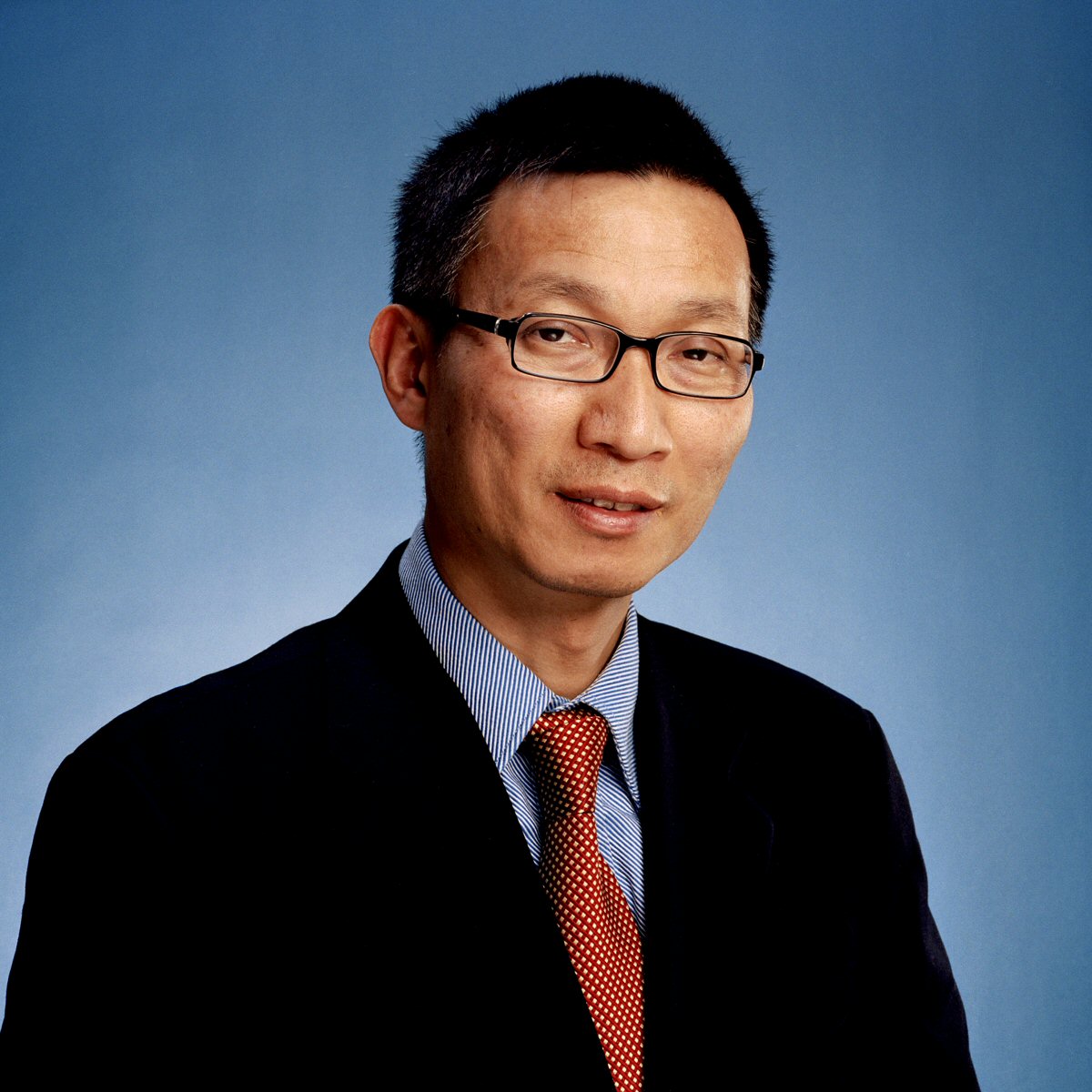
Former Adjunct Senior Associate, Asia Program
Pei is Tom and Margot Pritzker ‘72 Professor of Government and the director of the Keck Center for International and Strategic Studies at Claremont McKenna College.
Recent Work
Minxin Pei
Minxin Pei
Carnegie does not take institutional positions on public policy issues; the views represented herein are those of the author(s) and do not necessarily reflect the views of Carnegie, its staff, or its trustees.

Middle Eastern states should welcome an accelerated U.S. disengagement from their region.

Michael Young

In an interview, former ambassador Charles Freeman assesses the Trump administration’s war against Iran.
Michael Young

By failing to address Palestinian representation, the current process is bound to lead to just another temporary arrangement.

Nathan J. Brown

The armed forces champion a form of capitalism that is generating revenue, but its reliance on rent faces diminishing returns, leaving the country with massive sunk costs and deferred returns, deepening dependency on external borrowing.

Yezid Sayigh

Morocco and Algeria, each in its own way, are having to navigate the global economic fallout of the U.S.-Israeli military campaign against Iran.

Yasmine Zarhloule