

In The Media
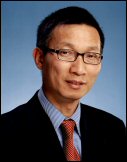
Minxin Pei
{
  "authors": [
    "Minxin Pei"
  ],
  "type": "legacyinthemedia",
  "centerAffiliationAll": "dc",
  "centers": [
    "Carnegie Endowment for International Peace",
    "Carnegie Europe"
  ],
  "collections": [
    "Transatlantic Cooperation"
  ],
  "englishNewsletterAll": "asia",
  "nonEnglishNewsletterAll": "",
  "primaryCenter": "Carnegie Endowment for International Peace",
  "programAffiliation": "AP",
  "programs": [
    "Asia",
    "Russia and Eurasia"
  ],
  "projects": [],
  "regions": [
    "North America",
    "United States",
    "East Asia",
    "China",
    "Caucasus",
    "Western Europe",
    "Asia",
    "Russia",
    "Europe"
  ],
  "topics": [
    "Economy",
    "Foreign Policy"
  ]
}
Source: Getty
China wants to look like a leader at the G20 summit by highlighting the extent of its stimulus package ($586 billion) as well as the relative health of its financial system.
Source: NewsHour with Jim Lehrer

Pei argued that China wants to look like a leader at the summit by highlighting the extent of its stimulus package ($586 billion) as well as the relative health of its financial system. It worries that its long-term interests will suffer if the United States continues to print money. At the same, time, however, it does not want to take the lead in opposing American positions, so it will most likely serve as an intermediary between the Europeans and Americans lest anyone think that China is overreaching. Pei also noted that China feels "let down" by the United States because it has attempted, for the last 20 or 30 years, to emulate an economic system whose intellectual foundations have now collapsed.

Former Adjunct Senior Associate, Asia Program
Pei is Tom and Margot Pritzker ‘72 Professor of Government and the director of the Keck Center for International and Strategic Studies at Claremont McKenna College.
Recent Work
Minxin Pei
Minxin Pei
Carnegie does not take institutional positions on public policy issues; the views represented herein are those of the author(s) and do not necessarily reflect the views of Carnegie, its staff, or its trustees.
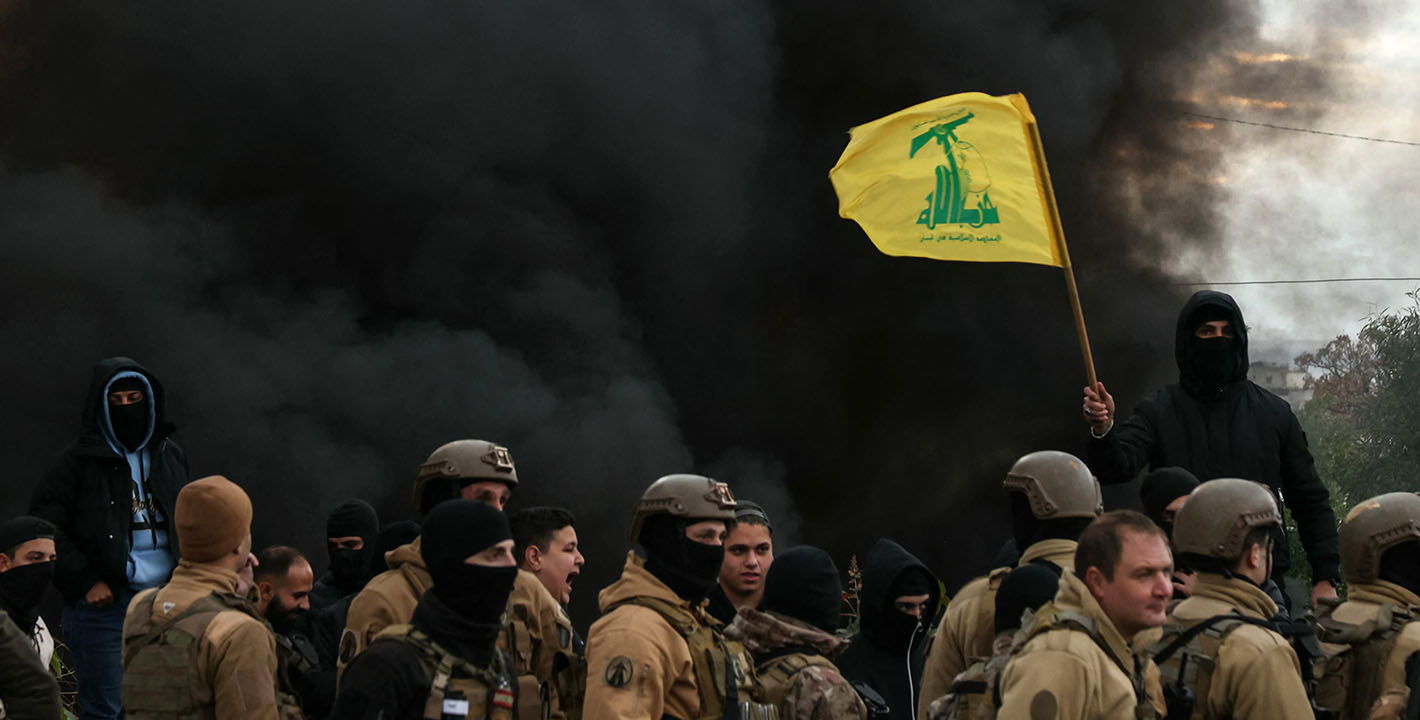
The party’s domestic and regional roles have changed, so Lebanon should devise a disarmament strategy that encompasses this.

Michael Young
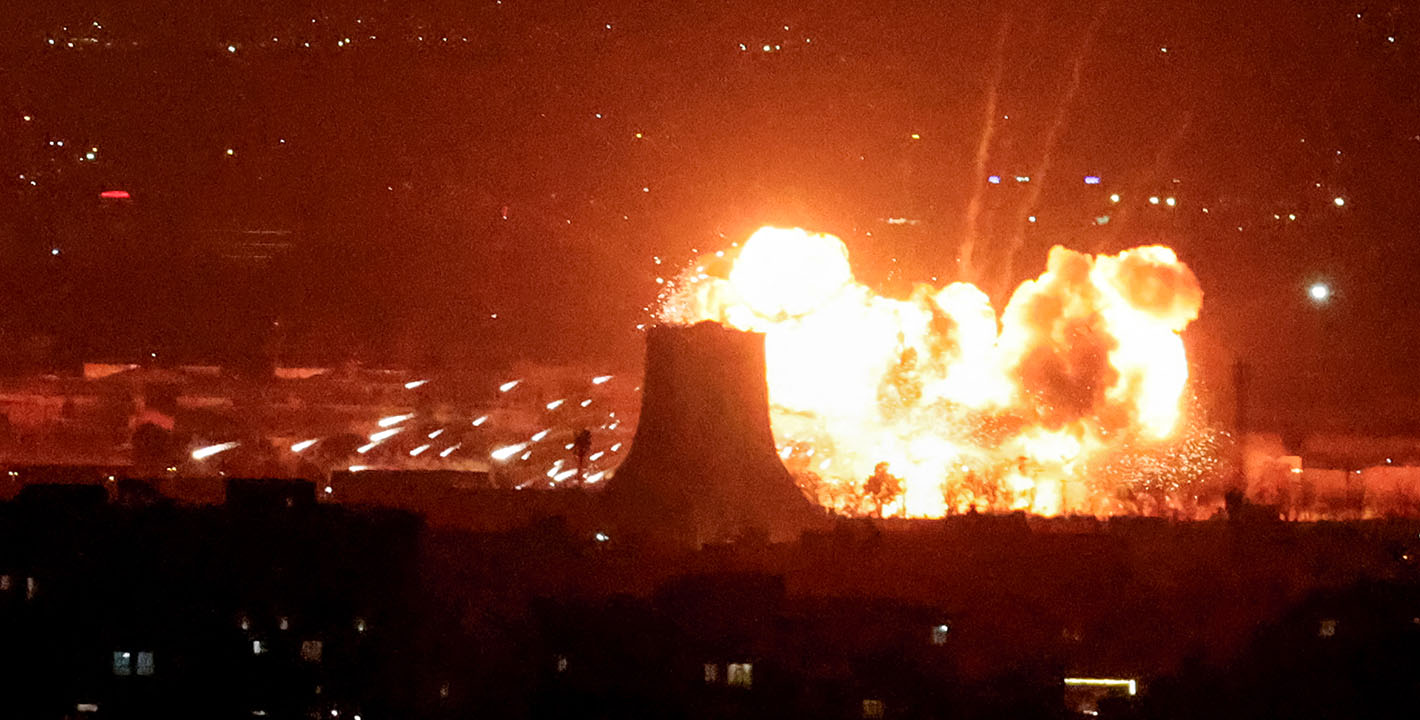
In an interview, Marc Lynch discusses his new book decrying the post-1990 U.S.-dominated order in the Middle East.
Michael Young

Because perpetual conflict enhances control, offers economic benefits, and allows leaders to ignore popular preferences.

Angie Omar
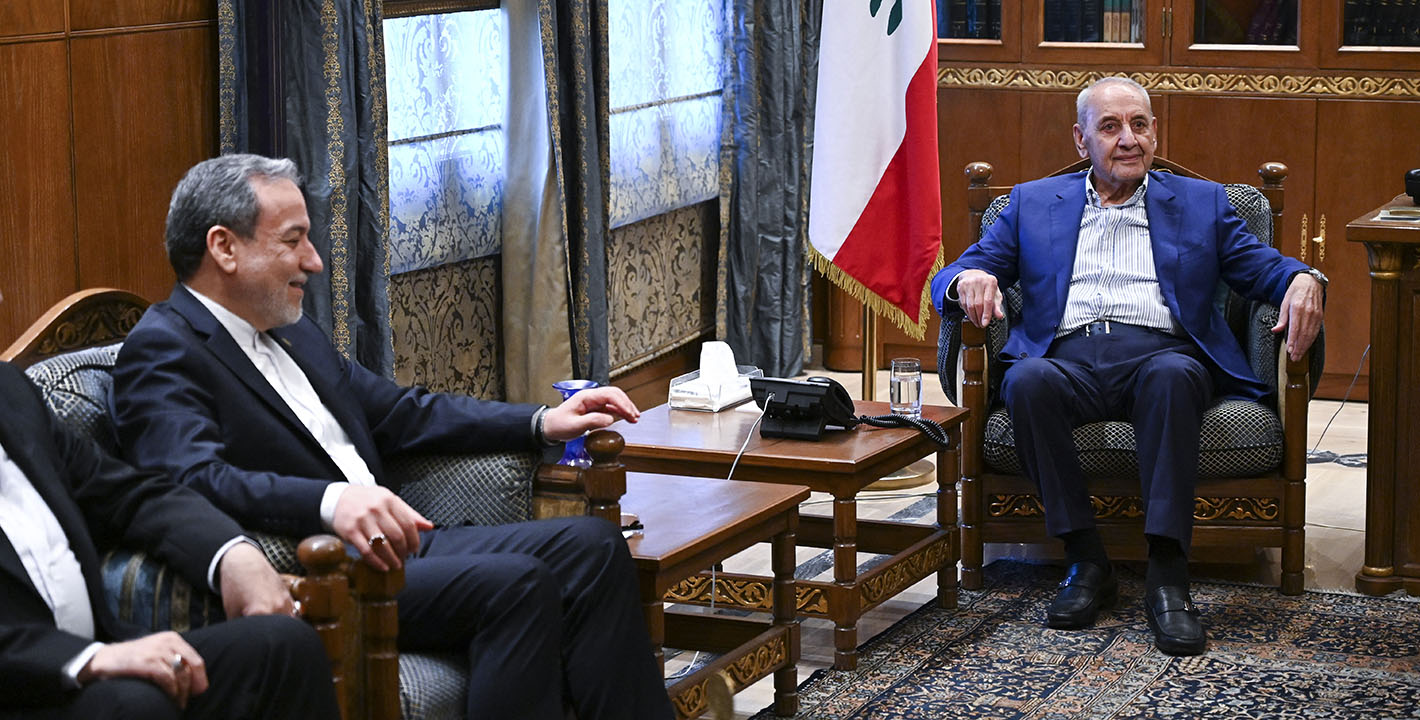
A prerequisite of serious talks is that the country’s leadership consolidates majority national support for such a process.
Michael Young

In an interview, Jim Lamson discusses the ongoing regional conflict and sees an unclear picture when it comes to winners and losers.
Michael Young