

In The Media
Minxin Pei
{
  "authors": [
    "Minxin Pei"
  ],
  "type": "legacyinthemedia",
  "centerAffiliationAll": "dc",
  "centers": [
    "Carnegie Endowment for International Peace"
  ],
  "collections": [],
  "englishNewsletterAll": "asia",
  "nonEnglishNewsletterAll": "",
  "primaryCenter": "Carnegie Endowment for International Peace",
  "programAffiliation": "AP",
  "programs": [
    "Asia"
  ],
  "projects": [],
  "regions": [
    "East Asia",
    "China"
  ],
  "topics": [
    "Political Reform",
    "Democracy",
    "Security",
    "Military"
  ]
}
Source: Getty
Unrest among the Uighur minority in China was inevitable because of the lack of dialogue between ethnic groups, growing income inequality between Han Chinese and Uighurs, and government portrayals of Uighurs as separatist terrorists.
Source: PBS Newshour
The recent clashes between Han Chinese and Uighurs in the restive Xinjiang province have killed over 150 people and injured well over 800 others. To discuss the sources of the violence, Carnegie's Minxin Pei joined Alim Seytoff, the spokesperson for the World Uighur Congress, on PBS' NewsHour.
Pei explained that Uighurs have long resented Han Chinese explorations of Xinjiang's deposits of oil, natural gas, and other natural resources and the central government's half-century-long effort to encourage Han migration to the province. A violent clash of this nature was inevitable because of the lack of dialogue between ethnic groups, growing income inequality between the Han Chinese and the Uighurs, and the portrayal of Uighurs as separatist terrorists by the Chinese government.
Pei concluded by arguing that although this episode is unlikely to lead to susbtantially enhanced autonomy for Uighurs, it could serve as a wake-up call to the Chinese government to review its treatment of ethnic minorities in China.
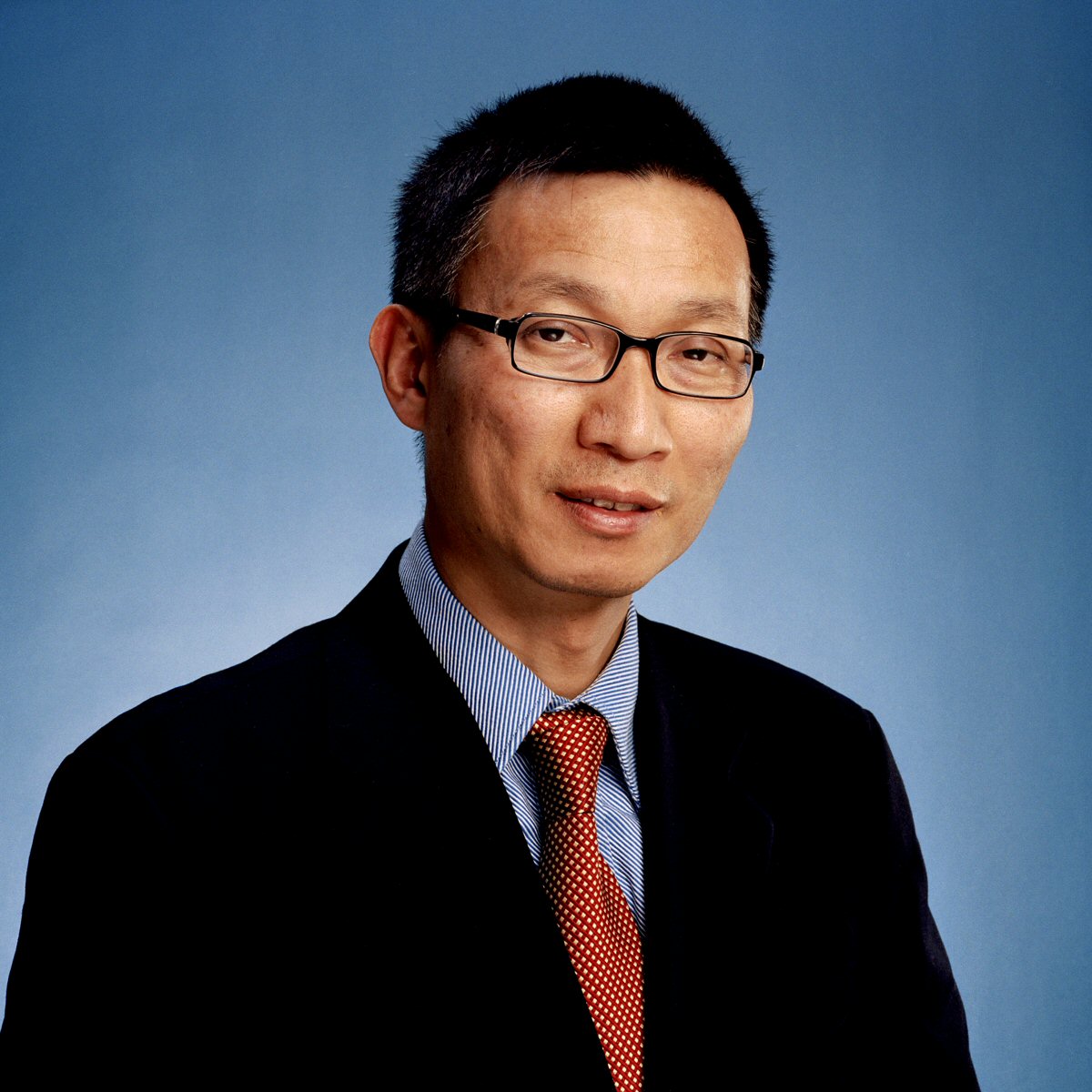
Former Adjunct Senior Associate, Asia Program
Pei is Tom and Margot Pritzker ‘72 Professor of Government and the director of the Keck Center for International and Strategic Studies at Claremont McKenna College.
Recent Work
Minxin Pei
Minxin Pei

Huawei pushed hard to enter the Egyptian data centers market, until the Americans made a better offer.

Angie Omar

The armed forces champion a form of capitalism that is generating revenue, but its reliance on rent faces diminishing returns, leaving the country with massive sunk costs and deferred returns, deepening dependency on external borrowing.

Yezid Sayigh

Just look at Iraq in 1991.

Marwan Muasher

Baku may allow radical nationalists to publicly discuss “reunification” with Azeri Iranians, but the president and key officials prefer not to comment publicly on the protests in Iran.

Bashir Kitachaev

In addressing Hezbollah’s disarmament, the Lebanese state must start by increasing its own leverage.

Michael Young