

Commentary
As the U.S. stumbles in its war with Iran, we are likely to see an acceleration of its disengagement from the region.
Michael Young
{
  "authors": [],
  "type": "pressRelease",
  "centerAffiliationAll": "dc",
  "centers": [
    "Carnegie Endowment for International Peace"
  ],
  "collections": [],
  "englishNewsletterAll": "menaTransitions",
  "nonEnglishNewsletterAll": "",
  "primaryCenter": "Carnegie Endowment for International Peace",
  "programAffiliation": "MEP",
  "programs": [
    "Middle East"
  ],
  "projects": [],
  "regions": [
    "Middle East",
    "North Africa"
  ],
  "topics": [
    "Political Reform",
    "Democracy"
  ]
}
REQUIRED IMAGE
The imbalance of power in Arab countries allows regimes to stay in control virtually unchallenged by non-violent opposition groups. Without a break in the stalemate between the key players—ruling establishments, moderate Islamist movements, and secular parties—democratization is impossible.
The imbalance of power in Arab countries allows regimes to stay in control virtually unchallenged by non-violent opposition groups. Without a break in the stalemate between the key players—ruling establishments, moderate Islamist movements, and secular parties—democratization is impossible.
Getting to Pluralism: Political Actors in the Arab World, a new book edited by Marina Ottaway and Amr Hamzawy with contributions by Michele Dunne, analyzes the political stagnation entrenched across the region. Authoritarianism does not come from Arab cultural exceptionalism or protracted regional conflicts, but from the currently unbreakable deadlock among governments, Islamist movements, and liberal or leftist groups. Incumbent regimes easily maintain power when faced with a weak and divided opposition on an uneven playing field.
Key conclusions:
“The weakness of opposition groups in the Arab world, coupled with the power of governments, which is often as rooted in the strength of the security services as it is in the political process, go a long way toward explaining why Arab countries have not been reforming politically,” write the editors. “It stands to reason that attempts by the international community to encourage political reform while failing to address the fundamental issue of power are bound to fail.”
###
EDITORS
Marina Ottaway, director of the Carnegie Middle East Program, specializes in democracy and post-conflict reconstruction issues, with special focus on problems of political transformation in the Middle East.
CONTRIBUTOR
NOTES
Carnegie does not take institutional positions on public policy issues; the views represented herein are those of the author(s) and do not necessarily reflect the views of Carnegie, its staff, or its trustees.

As the U.S. stumbles in its war with Iran, we are likely to see an acceleration of its disengagement from the region.

Michael Young

The accord represents a pivotal moment in the region to avert a security vacuum in the Gulf.


Azeema Cheema, Mohanad Hage Ali
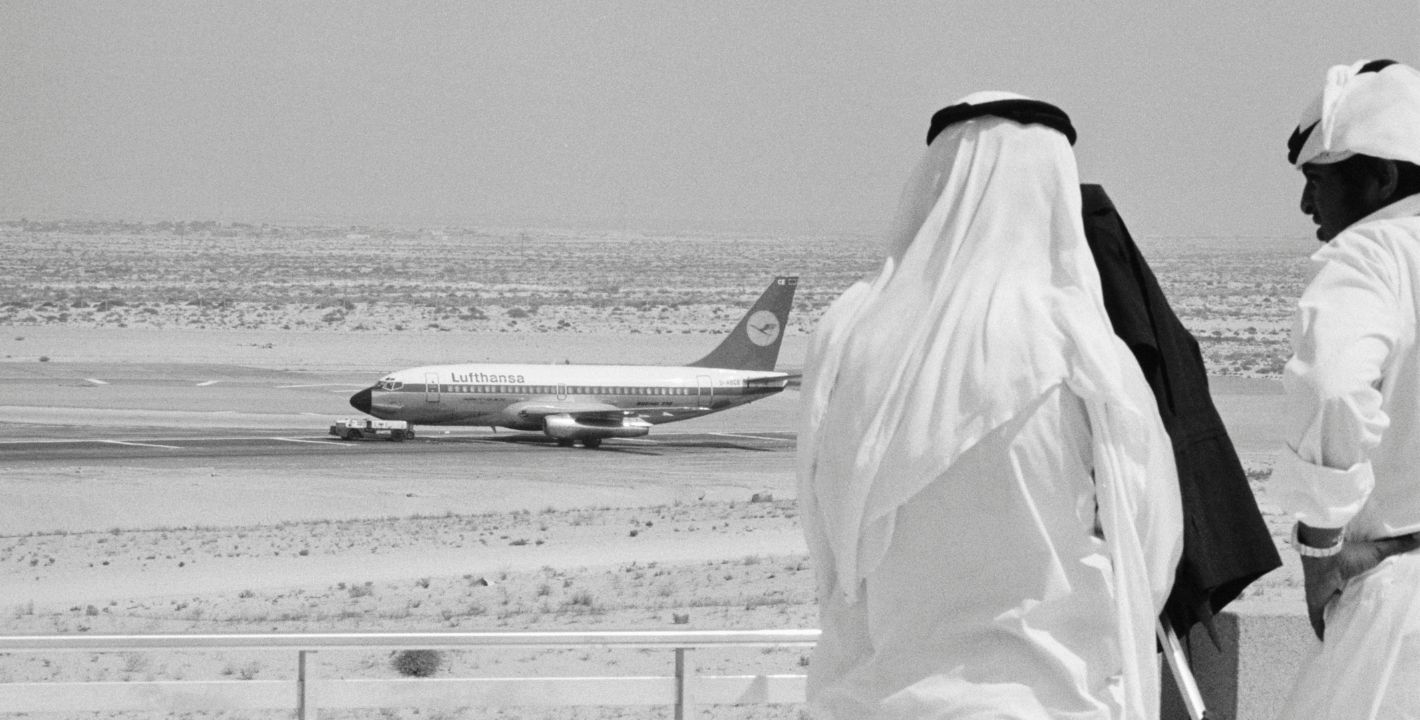
In an interview, Jason Burke discusses his sweeping account of the “revolutionists” who so shaped the 1970s and early 1980s.
Michael Young

The armed forces champion a form of capitalism that is generating revenue, but its reliance on rent faces diminishing returns, leaving the country with massive sunk costs and deferred returns, deepening dependency on external borrowing.

Yezid Sayigh
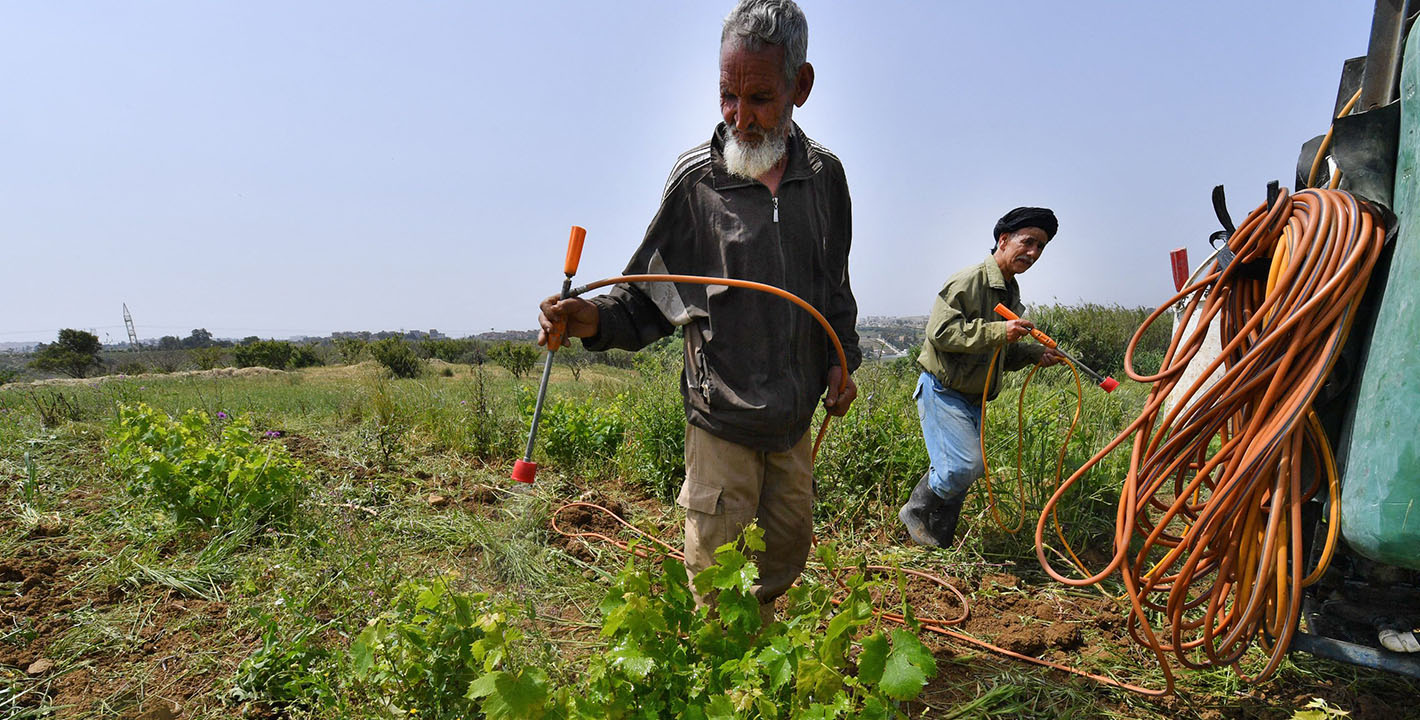
Understanding how farmers in the Oued Sahel-Soummam Valley grapple with climate change is essential for addressing the paradoxes through which adaptation, operating at both individual and institutional levels, deepens the region’s vulnerability and erodes the social fabric and agrarian identity that once defined life.
Ilyssa Yahmi