

Commentary
Huawei pushed hard to enter the Egyptian data centers market, until the Americans made a better offer.
Angie Omar
{
  "authors": [
    "Henri J. Barkey",
    "Morton Abramowitz"
  ],
  "type": "legacyinthemedia",
  "centerAffiliationAll": "dc",
  "centers": [
    "Carnegie Endowment for International Peace"
  ],
  "collections": [],
  "englishNewsletterAll": "menaTransitions",
  "nonEnglishNewsletterAll": "",
  "primaryCenter": "Carnegie Endowment for International Peace",
  "programAffiliation": "MEP",
  "programs": [
    "Middle East"
  ],
  "projects": [],
  "regions": [
    "Middle East",
    "Türkiye"
  ],
  "topics": [
    "Political Reform"
  ]
}
Source: Getty
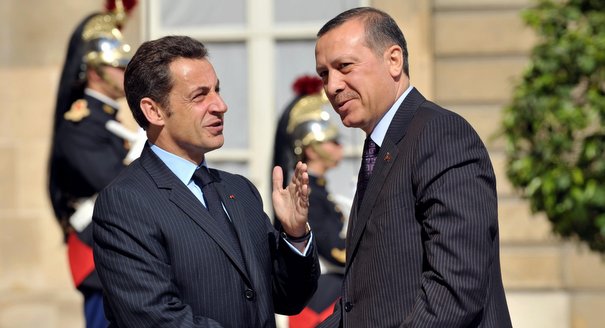
Turkey aspires to be a global power, but it has yet to become as great a regional power as its government declares it to be. Can the ruling party achieve its goals, or will it be held back by its Islamist past and the conservative inclinations of its core constituents?
Source: Foreign Affairs

There are two camps. The first, and largest, group, which includes center-right politicians, liberals, and the religious, fully supports the AKP. It sees the party as fighting the dead hand of the past to free Turkish politics from subjugation by the military and the judiciary. To most AKP supporters, the party is genuinely committed to instituting a much greater measure of democracy and tackling Turkey's most difficult issue: recognizing the democratic rights of its large Kurdish population. According to them, the party is serious about meeting the difficult requirements for EU accession and about launching fresh and constructive diplomatic initiatives in the Middle East, Central Asia, and the Caucasus. And they interpret the widespread claims that the AKP wants to establish a religious state as both fanciful and retrograde.

Former Visiting Scholar, Middle East Program
Barkey served as a member of the U.S. State Department Policy Planning Staff, working primarily on issues related to the Middle East, the Eastern Mediterranean, and intelligence from 1998 to 2000.
Morton Abramowitz
Carnegie does not take institutional positions on public policy issues; the views represented herein are those of the author(s) and do not necessarily reflect the views of Carnegie, its staff, or its trustees.

Huawei pushed hard to enter the Egyptian data centers market, until the Americans made a better offer.

Angie Omar

The accord represents a pivotal moment in the region to avert a security vacuum in the Gulf.


Azeema Cheema, Mohanad Hage Ali

In an interview, Jason Burke discusses his sweeping account of the “revolutionists” who so shaped the 1970s and early 1980s.

Michael Young

There is a disturbing structural parallel between the old global energy economy and the new green transition.
Angie Omar

This will be the region’s most representative tournament, amid broad changes in its footballing landscape.

Issam Kayssi