

Q&A
Christopher Boucek
{
  "authors": [
    "Christopher Boucek"
  ],
  "type": "legacyinthemedia",
  "centerAffiliationAll": "dc",
  "centers": [
    "Carnegie Endowment for International Peace"
  ],
  "collections": [],
  "englishNewsletterAll": "menaTransitions",
  "nonEnglishNewsletterAll": "",
  "primaryCenter": "Carnegie Endowment for International Peace",
  "programAffiliation": "MEP",
  "programs": [
    "Middle East"
  ],
  "projects": [],
  "regions": [
    "Middle East",
    "Yemen"
  ],
  "topics": [
    "Security",
    "Foreign Policy"
  ]
}
Source: Getty
Given the multi-faceted challenges facing Yemen, resources for fighting al-Qaeda are scarce. The international community must assist Yemen not only in short term counterterrorism initiatives, but also in crucial long term development assistance.
Source: CBS News
The failed Christmas day attack has brought increasing tension to Yemen. While the United States and the international community are focusing on the threat from al-Qaeda in the Arab Peninsula, the Yemeni military is facing a secessionist movement in the south and battling Houthi rebels in the north. In some sense, the Yemeni government and the United States have divergent goals, because, “as long as the Yemeni military is engaged in fighting a civil war, they aren’t engaged in fighting al-Qaeda,” notes Christopher Boucek. Ultimately, the United States and Yemen must work together “to address long term issues like education and the economy,” and not just short term counterterrorism activities, to ensure Yemen’s security and stability.

Former Associate, Middle East Program
Boucek was an associate in the Carnegie Middle East Program where his research focused on security challenges in the Arabian Peninsula and Northern Africa.
Recent Work
Christopher Boucek

Christopher Boucek, Karim Sadjadpour
Carnegie does not take institutional positions on public policy issues; the views represented herein are those of the author(s) and do not necessarily reflect the views of Carnegie, its staff, or its trustees.

Just look at Iraq in 1991.

Marwan Muasher
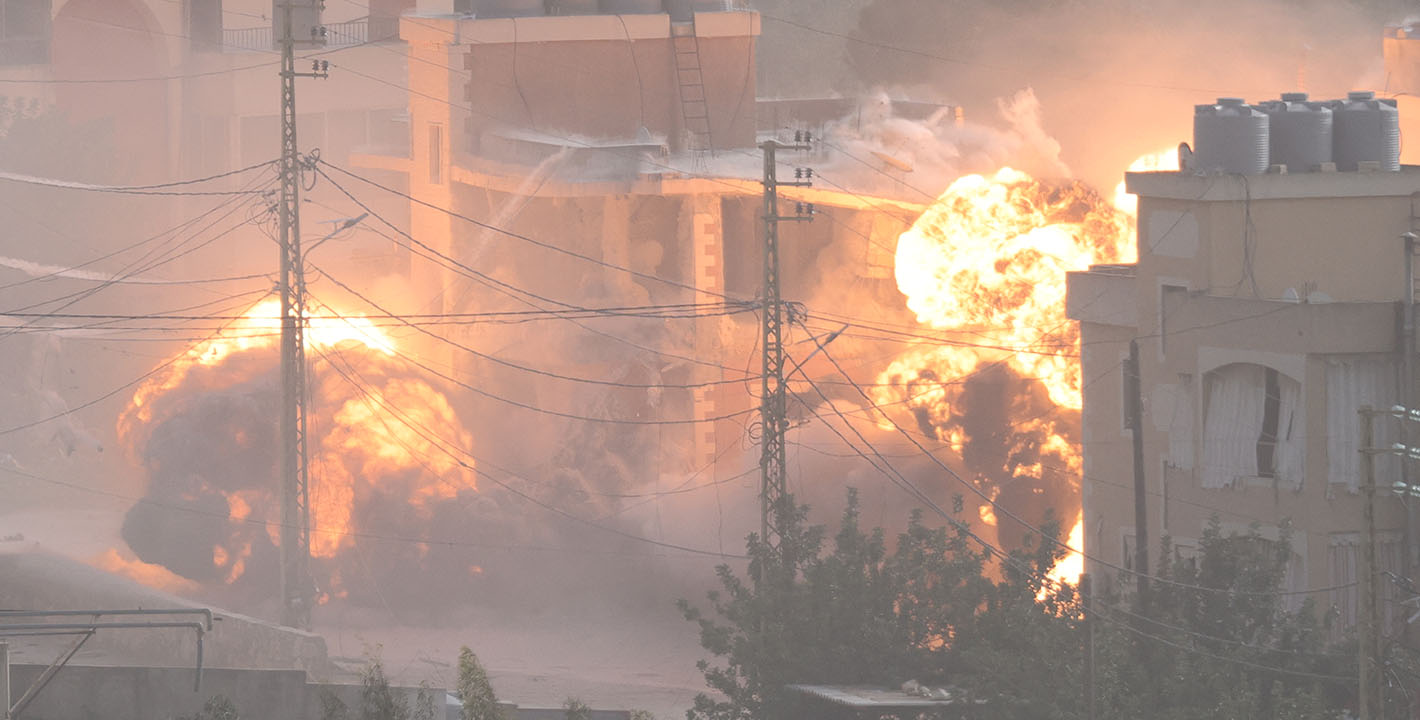
As Iran defends its interests in the region and its regime’s survival, it may push Hezbollah into the abyss.

Michael Young
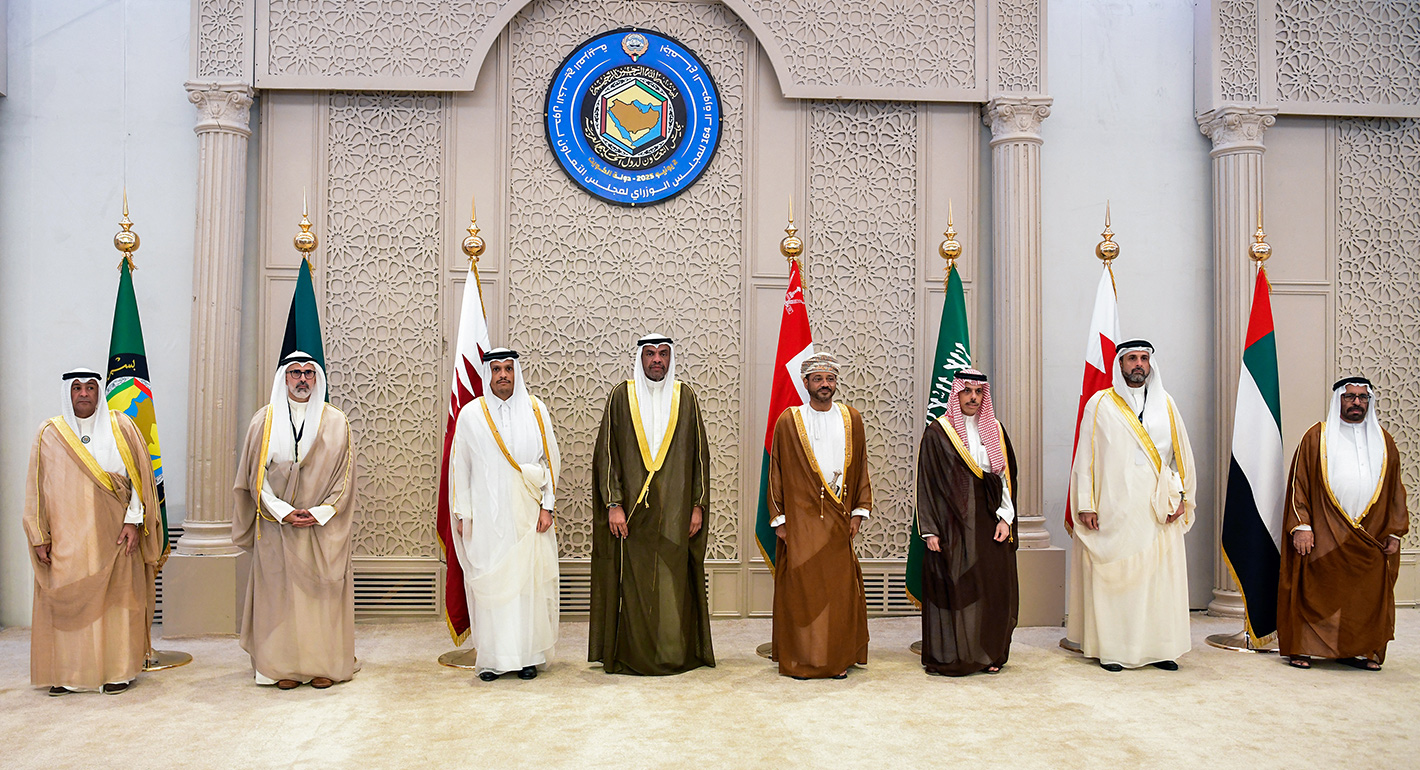
Without structural reform, the organization, which is racked by internal rivalries, risks sliding into irrelevance.

Hesham Alghannam

A coalition of states is seeking to avert a U.S. attack, and Israel is in the forefront of their mind.
Michael Young

Fifteen years after the Arab uprisings, a new generation is mobilizing behind an inclusive growth model, and has the technical savvy to lead an economic transformation that works for all.
Jihad Azour