

Commentary
Huawei pushed hard to enter the Egyptian data centers market, until the Americans made a better offer.
Angie Omar
{
  "authors": [],
  "type": "pressRelease",
  "centerAffiliationAll": "dc",
  "centers": [
    "Carnegie Endowment for International Peace"
  ],
  "collections": [],
  "englishNewsletterAll": "menaTransitions",
  "nonEnglishNewsletterAll": "",
  "primaryCenter": "Carnegie Endowment for International Peace",
  "programAffiliation": "MEP",
  "programs": [
    "Middle East"
  ],
  "projects": [],
  "regions": [
    "Middle East",
    "Yemen"
  ],
  "topics": [
    "Security"
  ]
}
REQUIRED IMAGE
Western policy makers are scrambling to respond decisively to Yemen’s instability after the failed Christmas Day attack. But there are limits to how much foreign intervention can accomplish—Yemen’s political system needs to become less centralized and more inclusive.
WASHINGTON, March 11—Western policy makers are scrambling to respond decisively to Yemen’s instability after the failed Christmas Day attack on a U.S. passenger jet was tied to al-Qaeda in the Arabian Peninsula. But there are limits to how much foreign intervention can accomplish—Yemen’s political system needs to become less centralized and more inclusive, concludes a new paper by Sarah Phillips.
Key Conclusions:
Policy Implications:
“The establishment of a more stable political settlement is a domestic endeavor, and Westerners’ chances of encouraging a more inclusive political system are questionable,” writes Phillips. “In the long term, only a fundamental restructuring of the political system to become much more inclusive will lead to stability.”
###
NOTES
The Carnegie Middle East Program combines in-depth local knowledge with incisive comparative analysis to examine economic, socio-political, and strategic interests in the Arab world to provide analysis and recommendations in both English and Arabic that are deeply informed by knowledge and views from the region.
Carnegie does not take institutional positions on public policy issues; the views represented herein are those of the author(s) and do not necessarily reflect the views of Carnegie, its staff, or its trustees.

Huawei pushed hard to enter the Egyptian data centers market, until the Americans made a better offer.

Angie Omar

The accord represents a pivotal moment in the region to avert a security vacuum in the Gulf.


Azeema Cheema, Mohanad Hage Ali

In an interview, Jason Burke discusses his sweeping account of the “revolutionists” who so shaped the 1970s and early 1980s.

Michael Young

There is a disturbing structural parallel between the old global energy economy and the new green transition.
Angie Omar
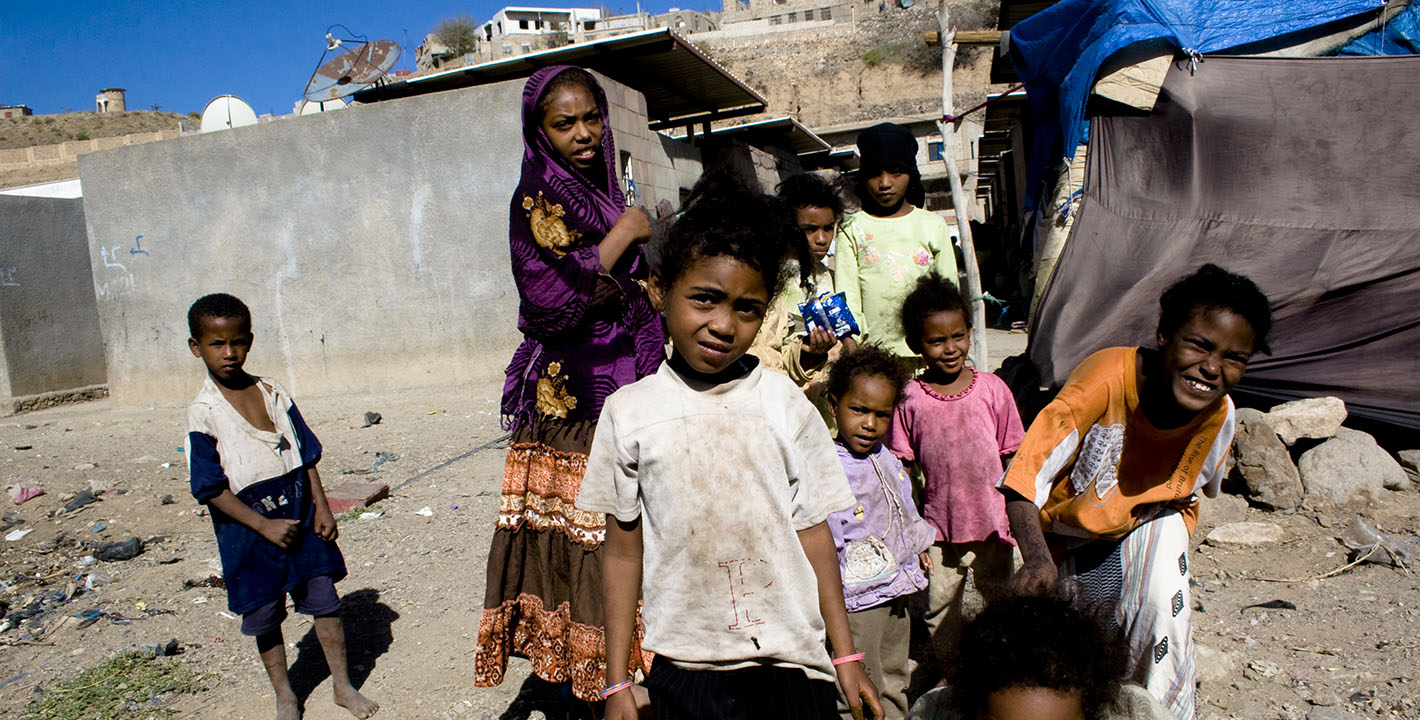
The community already suffers social discrimination, so addressing inequalities requires sustained interventions.
Musaed Aklan , Mohammad Al-Saidi