

Commentary
Nikolay Petrov
{
  "authors": [
    "Nikolay Petrov"
  ],
  "type": "legacyinthemedia",
  "centerAffiliationAll": "",
  "centers": [
    "Carnegie Endowment for International Peace",
    "Carnegie Russia Eurasia Center"
  ],
  "collections": [],
  "englishNewsletterAll": "",
  "nonEnglishNewsletterAll": "",
  "primaryCenter": "Carnegie Russia Eurasia Center",
  "programAffiliation": "",
  "programs": [],
  "projects": [],
  "regions": [
    "Caucasus",
    "Russia"
  ],
  "topics": [
    "Political Reform"
  ]
}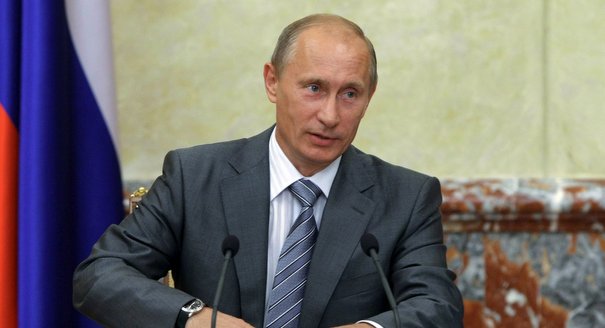
Source: Getty
Putin's new strategic plan on the social and economic development of Russia's regions is neither an analysis of their problems nor a proposal for solving them. A widespread discussion is needed to identify and address the complex problems facing the country and its regions.
Source: The Moscow Times

Putin’s plan for the regions is neither an analysis of their problems nor a proposal for solving them. On the contrary, Putin generally avoids referring to specific problems, and even when he does mention them he prefers to talk about outdated problems from the Soviet era.
Putin’s new “strategic plan” is an attempt to avoid the pitfalls of “Strategy 2020,” a vague and often utopian plan that was reminiscent of former Soviet leader Nikita Khrushchev’s five-year and 10-year plans. Unfortunately, the differences between all of these plans are hard to discern.
The new plan lacks a common logic, and several parts come off as nothing more than empty rhetoric. According to Putin’s approach, regional development should be based on the following principles:
Putin’s plan also demonstrates his shift from operating on the sidelines of United Russia to assuming the role of a full-fledged party leader. “United Russia always puts the everyday needs of the people at the center of its work,” Putin said, “and we have no plans of deviating from these principles.”
United Russia is positioning itself as the force “with the necessary organizational, intellectual and political resources,” Putin said, to address large-scale, national problems and claims to be ready to answer before the country for carrying out its stated plans. It now faces the task of consolidating academic, business and nongovernmental organizations. But it would be better if United Russia began by putting more thought into preparing the proposals it presents to the public. For now, however, the party is only managing to demonstrate its complete incompetence. The authorities are unable to accomplish anything substantial and cannot even properly formulate their goals.
It is good that some form of conversation on strategic planning has started, but the problem is that it is only a monologue by the ruling elite. The authorities remain unprepared to engage in a meaningful discussion — or at least to provide answers to difficult questions.
Only time will tell if the authorities are ready to listen to questions, identify problems and look for solutions. At this point, the plan put forward by the “national leader” is not commensurate with the scope and complexity of the problems facing the country. More important, it is crucial that Putin’s Novosibirsk speech marks the start and not the end of the discussion.
Former Scholar-in-Residence, Society and Regions Program, Moscow Center
Nikolay Petrov was the chair of the Carnegie Moscow Center’s Society and Regions Program. Until 2006, he also worked at the Institute of Geography at the Russian Academy of Sciences, where he started to work in 1982.
Recent Work
Nikolay Petrov
Nikolay Petrov
Carnegie does not take institutional positions on public policy issues; the views represented herein are those of the author(s) and do not necessarily reflect the views of Carnegie, its staff, or its trustees.
In an interview, Sergei Melkonian discusses Armenia’s and Azerbaijan’s careful balancing act among the United States, Israel, and Iran.

Armenak Tokmajyan

The country’s leadership is increasingly uneasy about multiple challenges from the Levant to the South Caucasus.
Armenak Tokmajyan
In an interview, Daniela Richterova speaks about her book on Czechoslovakia’s Cold War ties to Palestinian groups and others.

Michael Young
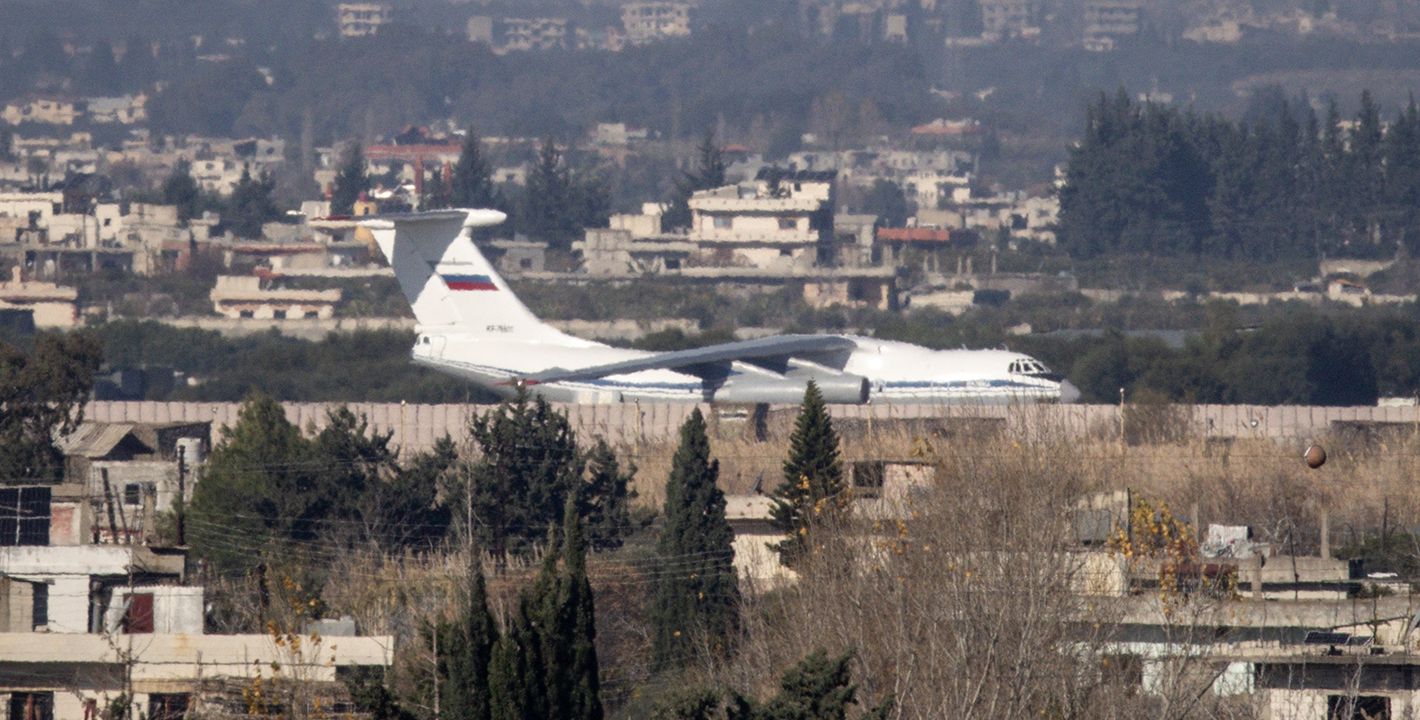
The downfall of the Assad regime represented a setback, but Russia’s primary focus remains Ukraine.
Sergei Melkonian
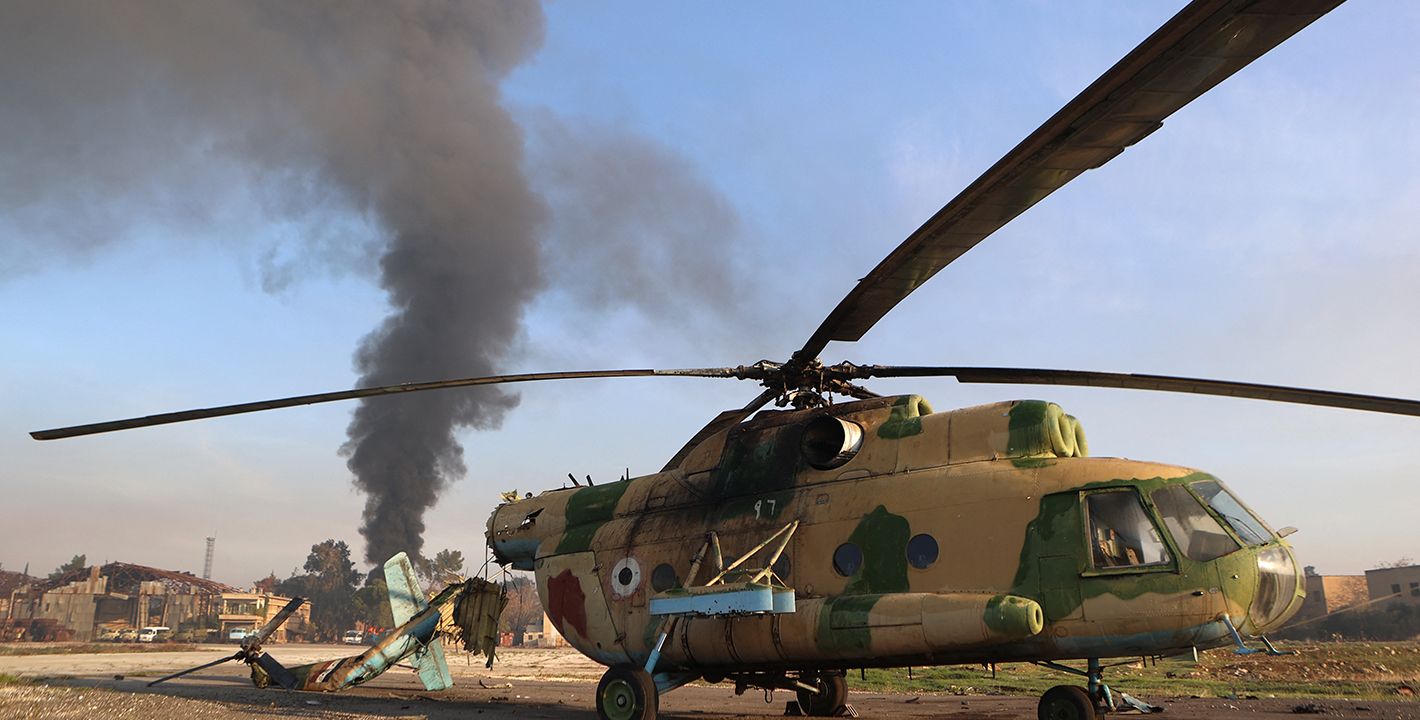
Why did Bashar al-Assad’s armed forces fail to act, unlike those in Egypt, Libya, Algeria, and Sudan?

Yezid Sayigh