

Commentary
In Egypt’s dense cities, the disappearance of foliage has health implications and punishes daily commuters.
Angie Omar
{
  "authors": [],
  "type": "pressRelease",
  "centerAffiliationAll": "dc",
  "centers": [
    "Carnegie Endowment for International Peace",
    "Malcolm H. Kerr Carnegie Middle East Center"
  ],
  "collections": [],
  "englishNewsletterAll": "menaTransitions",
  "nonEnglishNewsletterAll": "",
  "primaryCenter": "Carnegie Endowment for International Peace",
  "programAffiliation": "MEP",
  "programs": [
    "Middle East"
  ],
  "projects": [],
  "regions": [
    "North Africa",
    "Mauritania",
    "Maghreb"
  ],
  "topics": [
    "Security"
  ]
}
REQUIRED IMAGE
Lightly patrolled borders, sparsely populated areas, and recent terrorist activity raise fears that the Sahel is a fertile ground for jihadist movements, notably al-Qaeda in the Islamic Maghreb (AQIM). Regional cooperation and discreet aid from the West are critical for countries to regain control of their territory and prevent al-Qaeda from gaining ground in Africa.
WASHINGTON, June 10—Lightly patrolled borders, sparsely populated areas, and recent terrorist activity raise fears that the Sahel is a fertile ground for jihadist movements, notably al-Qaeda in the Islamic Maghreb (AQIM). Regional cooperation and discreet aid from the West are critical for countries to regain control of their territory and prevent al-Qaeda from gaining ground in Africa, asserts a new paper by Jean-Pierre Filiu.
Key Conclusions
Recommendations for policy makers
“Mauritania, Mali, and Niger are among the world’s poorest states and will require international support to defuse AQIM’s momentum,” writes Filiu. “Algeria is right to push for regional cooperation to address the threat, and discreet aid from the West is crucial to help the Sahel countries regain control of their territory from al-Qaeda forces and prevent the terror group from taking hold in Africa.”
###
NOTES
Carnegie does not take institutional positions on public policy issues; the views represented herein are those of the author(s) and do not necessarily reflect the views of Carnegie, its staff, or its trustees.
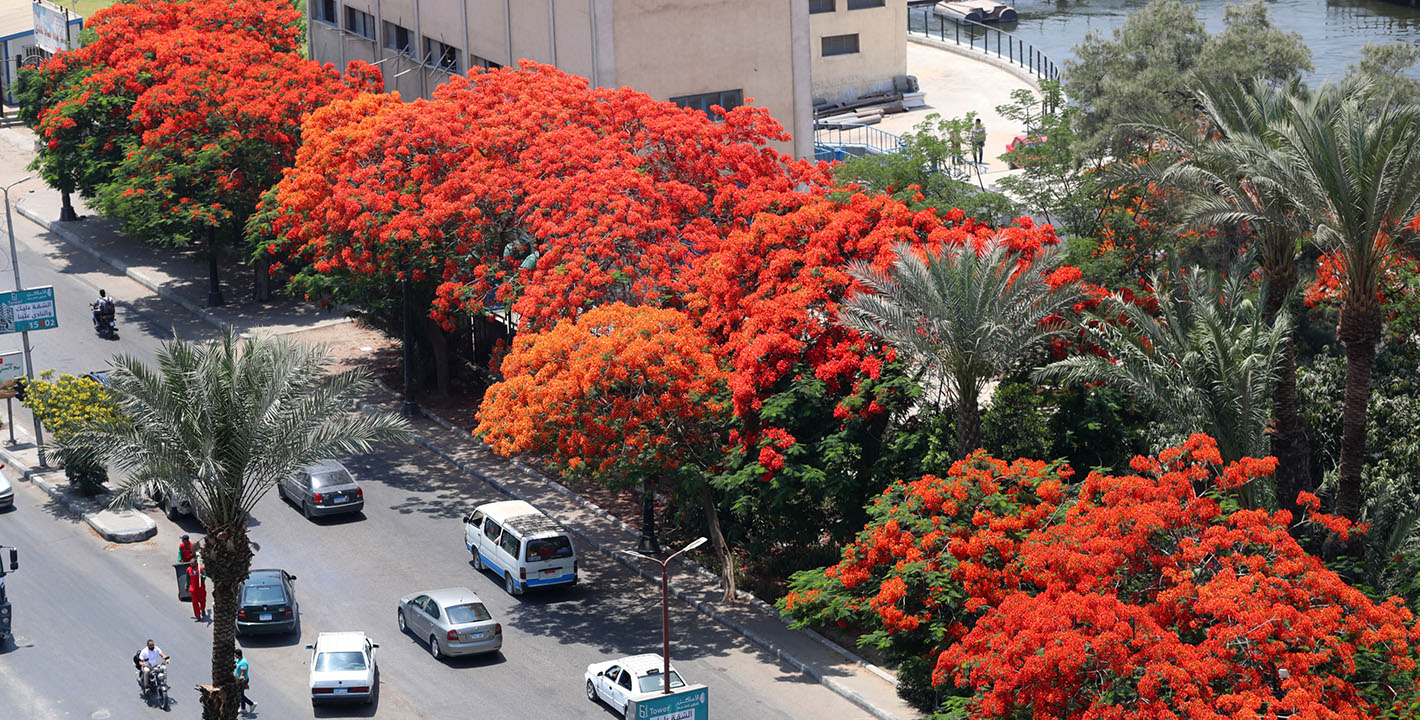
In Egypt’s dense cities, the disappearance of foliage has health implications and punishes daily commuters.

Angie Omar

The armed forces champion a form of capitalism that is generating revenue, but its reliance on rent faces diminishing returns, leaving the country with massive sunk costs and deferred returns, deepening dependency on external borrowing.

Yezid Sayigh

Morocco and Algeria, each in its own way, are having to navigate the global economic fallout of the U.S.-Israeli military campaign against Iran.

Yasmine Zarhloule
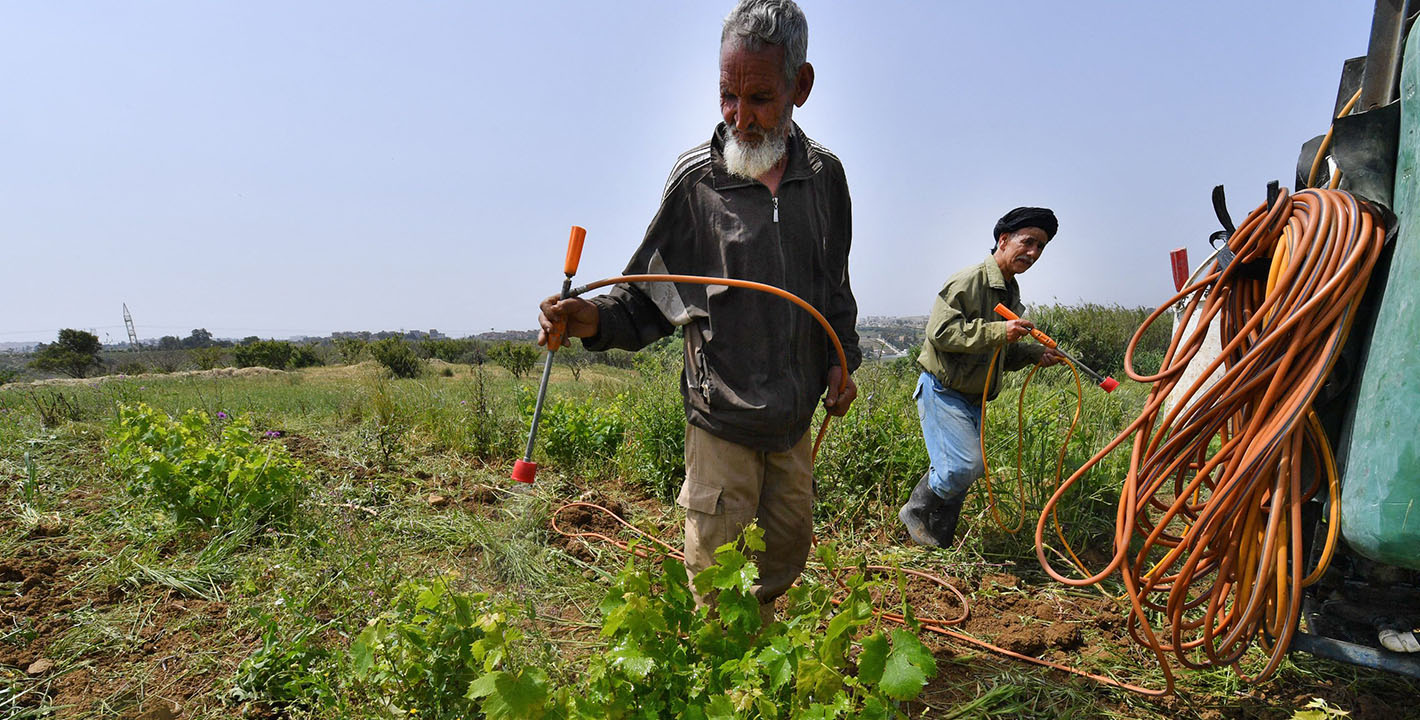
Understanding how farmers in the Oued Sahel-Soummam Valley grapple with climate change is essential for addressing the paradoxes through which adaptation, operating at both individual and institutional levels, deepens the region’s vulnerability and erodes the social fabric and agrarian identity that once defined life.
Ilyssa Yahmi
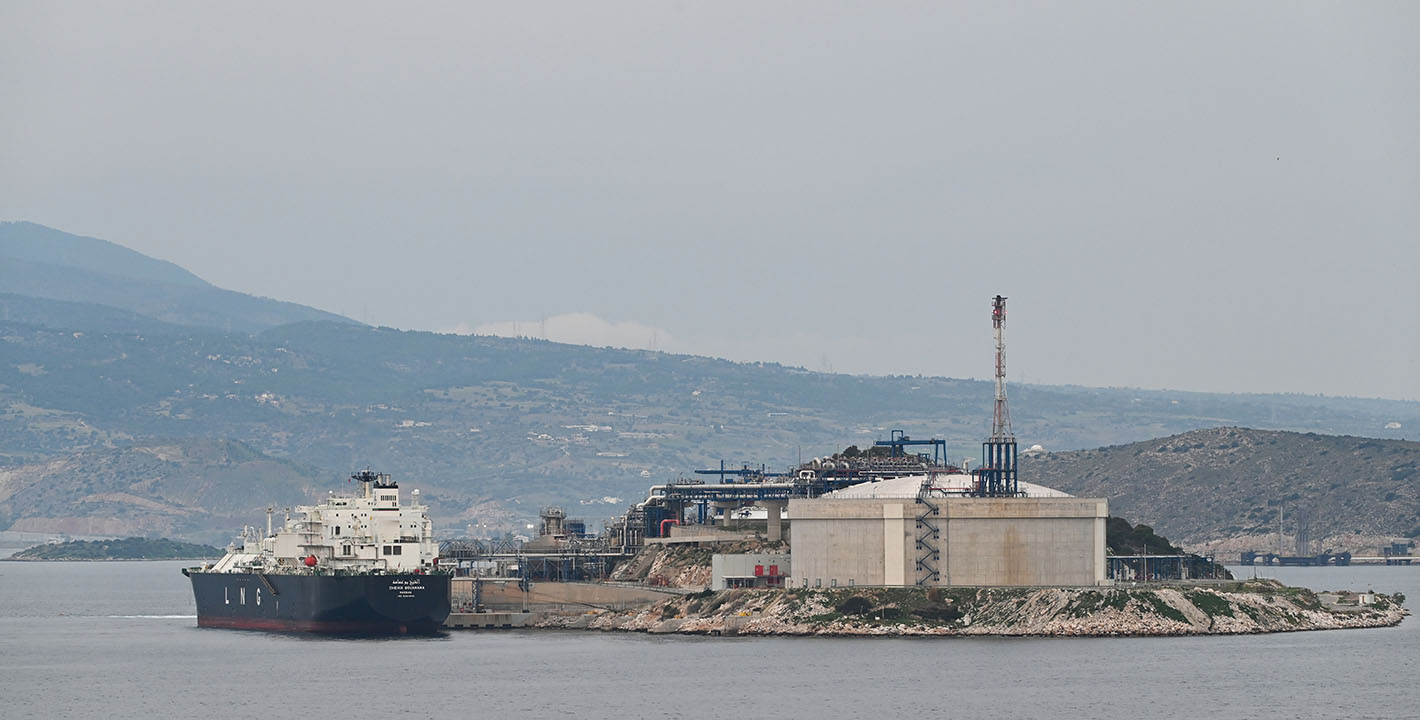
Unless the European Union-led energy transition provides economic development to Algeria, Morocco, and Tunisia, the process may be perceived as a new form of extraction.
Yasmine Zarhloule