

Commentary
Reconciliation councils are emerging throughout the country to mediate in intracommunal disputes, many from the war years.
Natacha Danon
{
  "authors": [
    "Amr Hamzawy",
    "Marina Ottaway"
  ],
  "type": "other",
  "centerAffiliationAll": "dc",
  "centers": [
    "Carnegie Endowment for International Peace",
    "Malcolm H. Kerr Carnegie Middle East Center"
  ],
  "collections": [
    "Arab Awakening"
  ],
  "englishNewsletterAll": "menaTransitions",
  "nonEnglishNewsletterAll": "",
  "primaryCenter": "Carnegie Endowment for International Peace",
  "programAffiliation": "MEP",
  "programs": [
    "Middle East"
  ],
  "projects": [],
  "regions": [
    "Middle East",
    "North Africa",
    "Egypt",
    "Algeria",
    "Morocco",
    "Tunisia",
    "Gulf",
    "Levant",
    "Maghreb"
  ],
  "topics": [
    "Political Reform"
  ]
}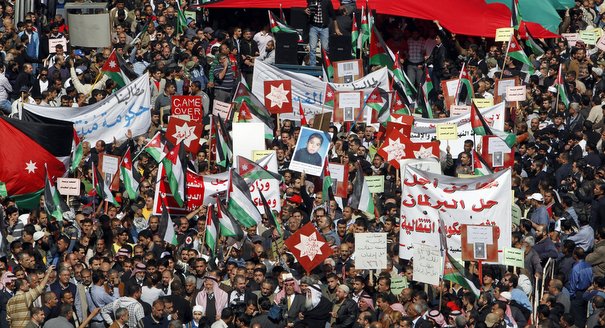
Source: Getty
The uprising that started in Tunisia in late 2010 was not a completely new development, but rather a more dramatic example of the unrest common across the region, particularly in Egypt, Morocco, Algeria, and Jordan.
Over the past decade, the Arab world has seen an increase in protests, strikes, demonstrations, and other forms of social protest. The uprising that started in Tunisia in late 2010 was not a completely new development, but rather a more dramatic example of the unrest common across the region, particularly in Egypt, Morocco, Algeria, and Jordan.
But the protest movements in the region have severe limitations. The various organizations involved—labor groups, youth organizations, bloggers, political parties, and Islamist movements—have different constituencies, demands, and organizational styles. Indeed, in some countries there has been, until recently, a deliberate decision not to coordinate and particularly to keep socioeconomic and political demands separate. This helps incumbent authoritarian and semi-authoritarian regimes stay in power despite the high levels of discontent in many countries.
Despite the absence of large cohesive movements, Arab regimes are right to worry about the possibility of an uprising in their countries. The underlying conditions of difficult social and economic conditions coupled with political repression, lack of political freedoms, and corruption exist everywhere. Publics in Arab countries are also right in feeling inspired by events in Tunisia and in believing that they can force change. Ultimately, however, change depends not on Tunisia’s example, but on the ability of protesters to coordinate their efforts and link socioeconomic with political demands and on the governments’ response, plus the imponderable catalyst.

Director, Middle East Program
Amr Hamzawy is a senior fellow and the director of the Carnegie Middle East Program. His research and writings focus on Egypt’s and other middle powers’ involvement in regional security in the Middle East, particularly through collective diplomacy and multilateral conflict resolution

Former Senior Associate, Middle East Program
Before joining the Endowment, Ottaway carried out research in Africa and in the Middle East for many years and taught at the University of Addis Ababa, the University of Zambia, the American University in Cairo, and the University of the Witwatersrand in South Africa.
Carnegie does not take institutional positions on public policy issues; the views represented herein are those of the author(s) and do not necessarily reflect the views of Carnegie, its staff, or its trustees.
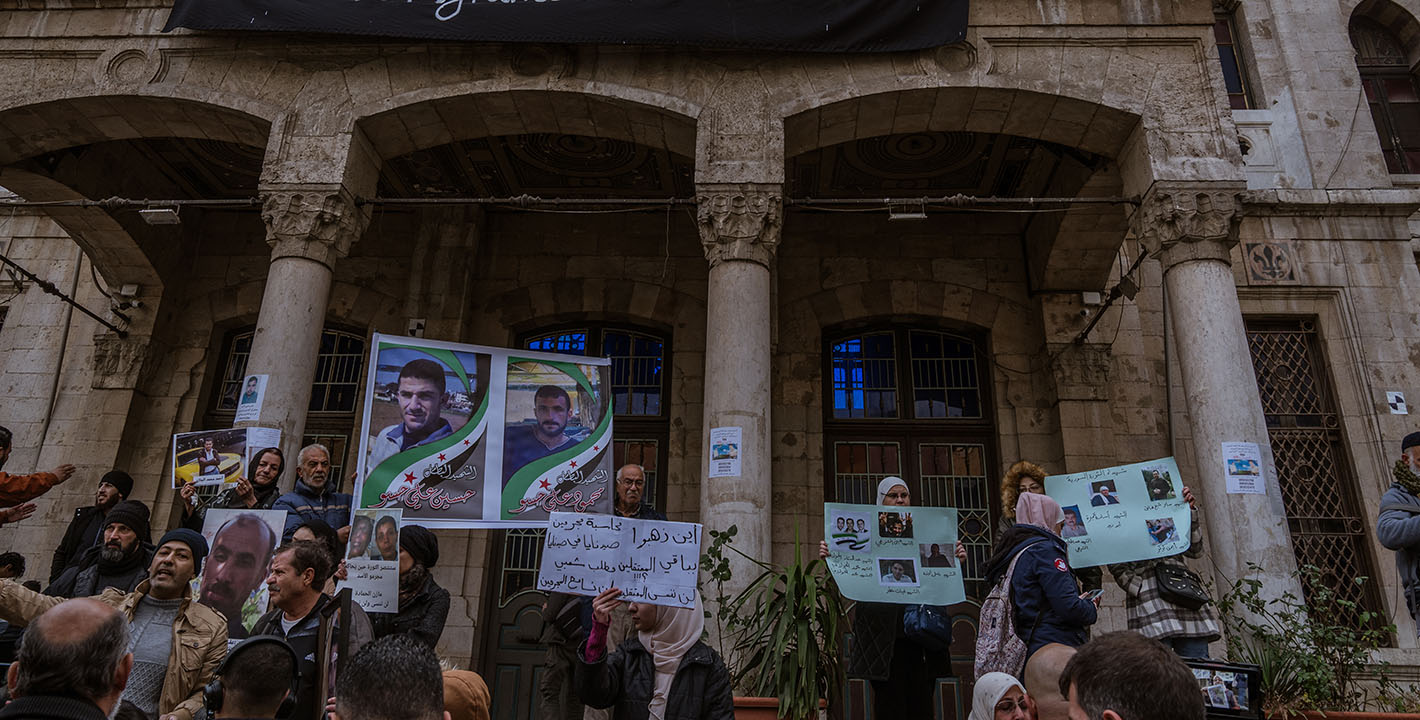
Reconciliation councils are emerging throughout the country to mediate in intracommunal disputes, many from the war years.
Natacha Danon
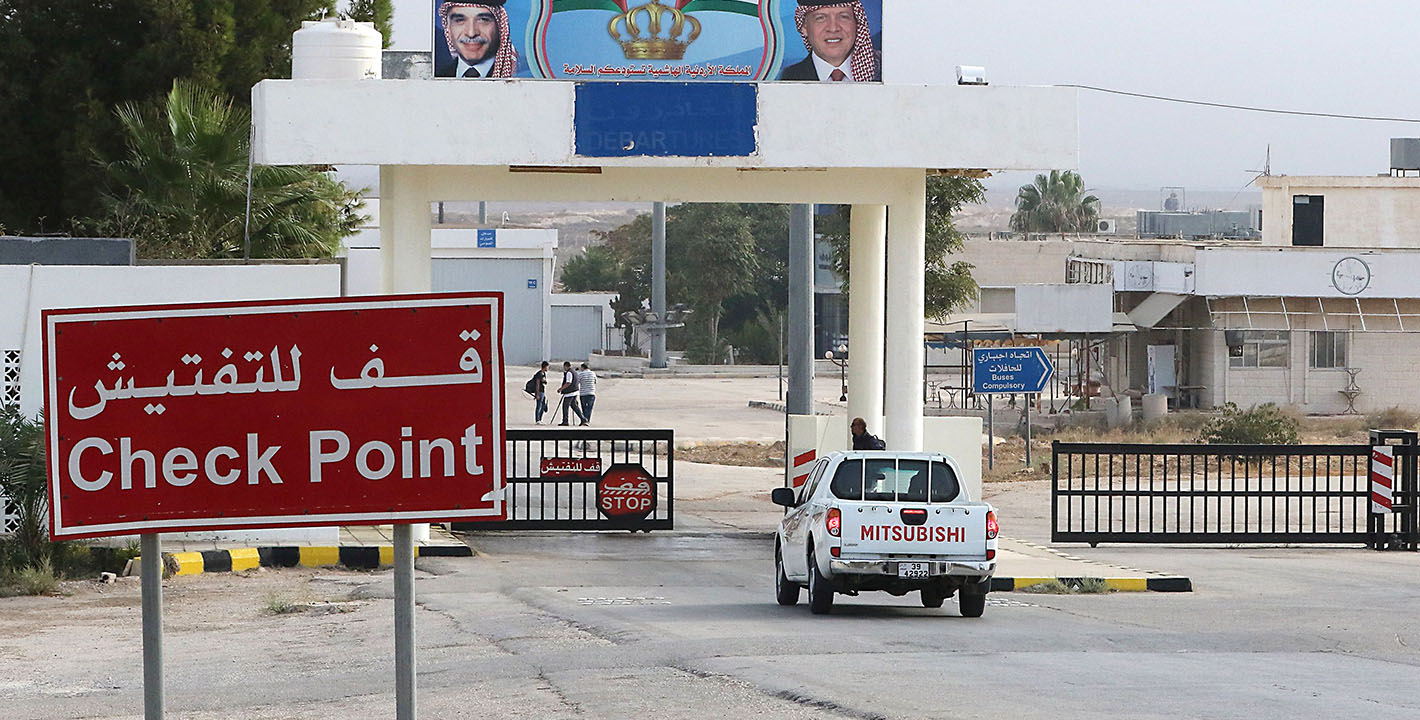
The civil war in Syria may have ended, but the country continues to serve as a source for the trafficking of illegal substances into and via Jordanian territory.

Armenak Tokmajyan, Laith Qerbaa
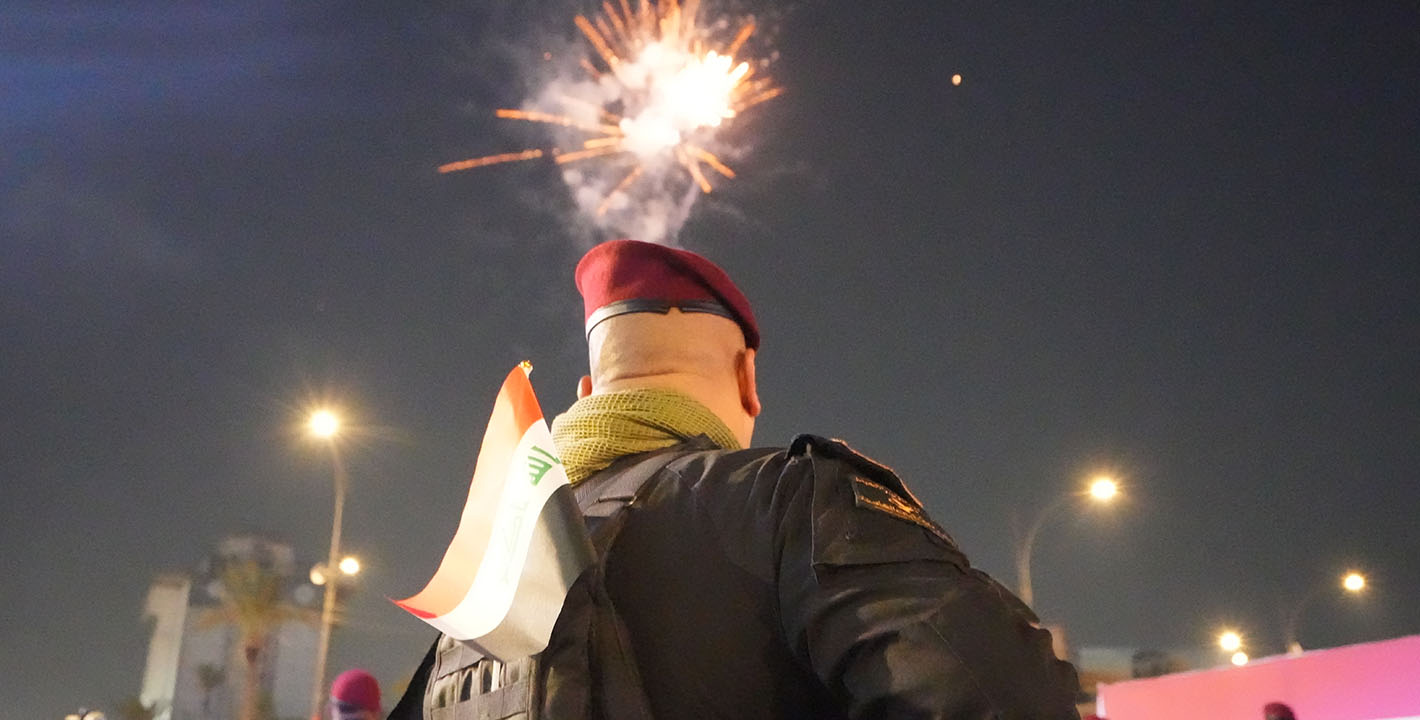
As the U.S.-led Coalition withdraws, the Kurds’ reliance on Baghdad, and on themselves, will only increase.
Wladimir van Wilgenburg

As the U.S. stumbles in its war with Iran, we are likely to see an acceleration of its disengagement from the region.

Michael Young
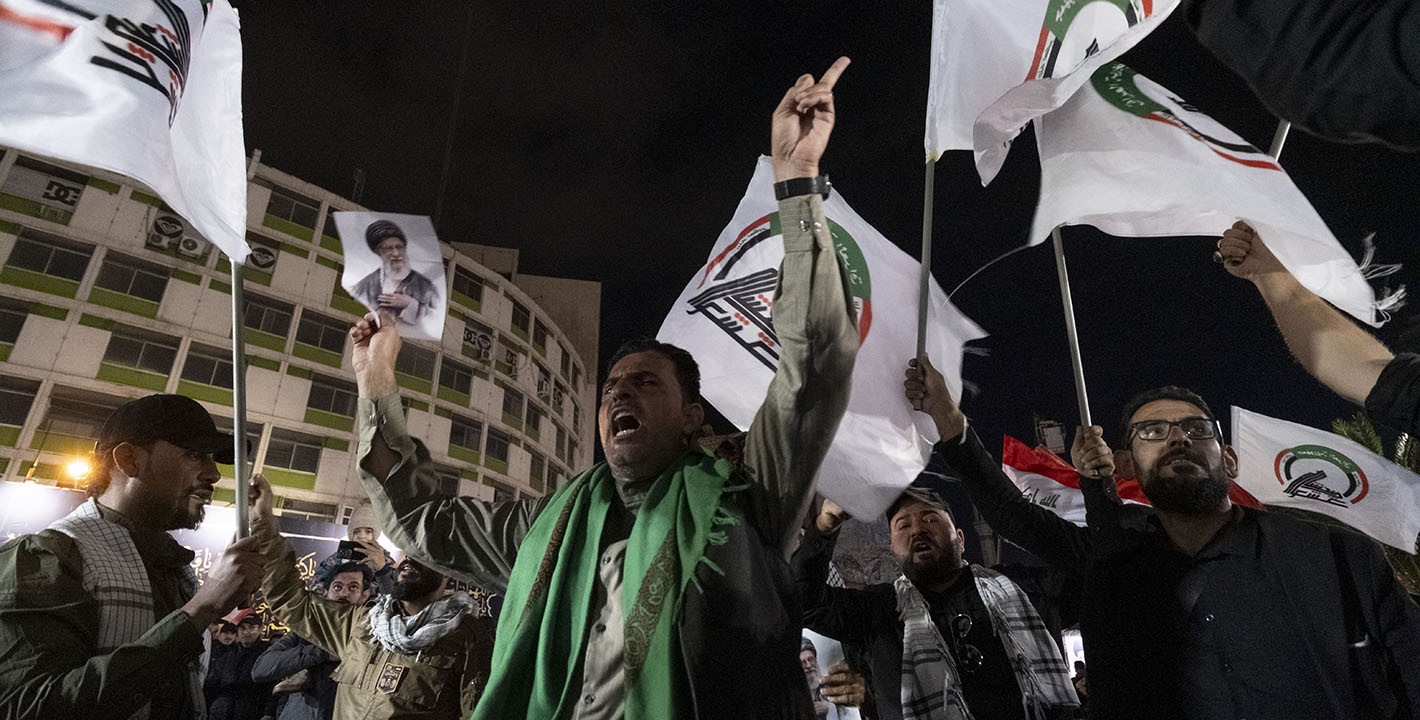
The Zaidi government’s objective to collect weapons is constrained by regional conflict, but it can take certain measures at home.
Ali Al-Mawlawi