

Q&A
Christopher Boucek
{
  "authors": [
    "Christopher Boucek"
  ],
  "type": "legacyinthemedia",
  "centerAffiliationAll": "dc",
  "centers": [
    "Carnegie Endowment for International Peace"
  ],
  "collections": [
    "Arab Awakening"
  ],
  "englishNewsletterAll": "menaTransitions",
  "nonEnglishNewsletterAll": "",
  "primaryCenter": "Carnegie Endowment for International Peace",
  "programAffiliation": "MEP",
  "programs": [
    "Middle East"
  ],
  "projects": [],
  "regions": [
    "Middle East",
    "Yemen"
  ],
  "topics": [
    "Political Reform"
  ]
}
Source: Getty
In a negotiated settlement to the political crisis and power struggle occurring in Yemen, the youth protesters who first took to the streets are likely to be cut out of any final deal, which will be made by the political elites.
Source: Viewpoint with James Zogby
The assassination attempt on Yemeni President Ali Abdullah Saleh, which resulted in his leaving the country for medical attention in Saudi Arabia, has only further complicated the political crisis in Yemen, explained Carnegie’s Christopher Boucek on Viewpoint with James Zogby. Boucek pointed out that the Yemeni constitution does not have a provision for what to do if the President is incapacitated. “The big question is whether the regime and Saleh’s son and nephews, who run the military, will be willing to give up power,” he said.
Further complicating the power struggle in Yemen is the variety of actors involved. Those who initially came out to protest--the youth, civil society, and human rights activists--were galvanized by similar issues as protesters in Egypt and Tunisia. They were eventually joined by the official opposition parties, known as the Joint Meeting Parties (JMP). Finally, elites outside of government, particularly from the al Ahmar family, have also entered the fray, introducing a new element of violence. Ultimately, said Boucek, “the youth are likely to get cut out when elites come together to make a deal and decided the political fate of Yemen.”
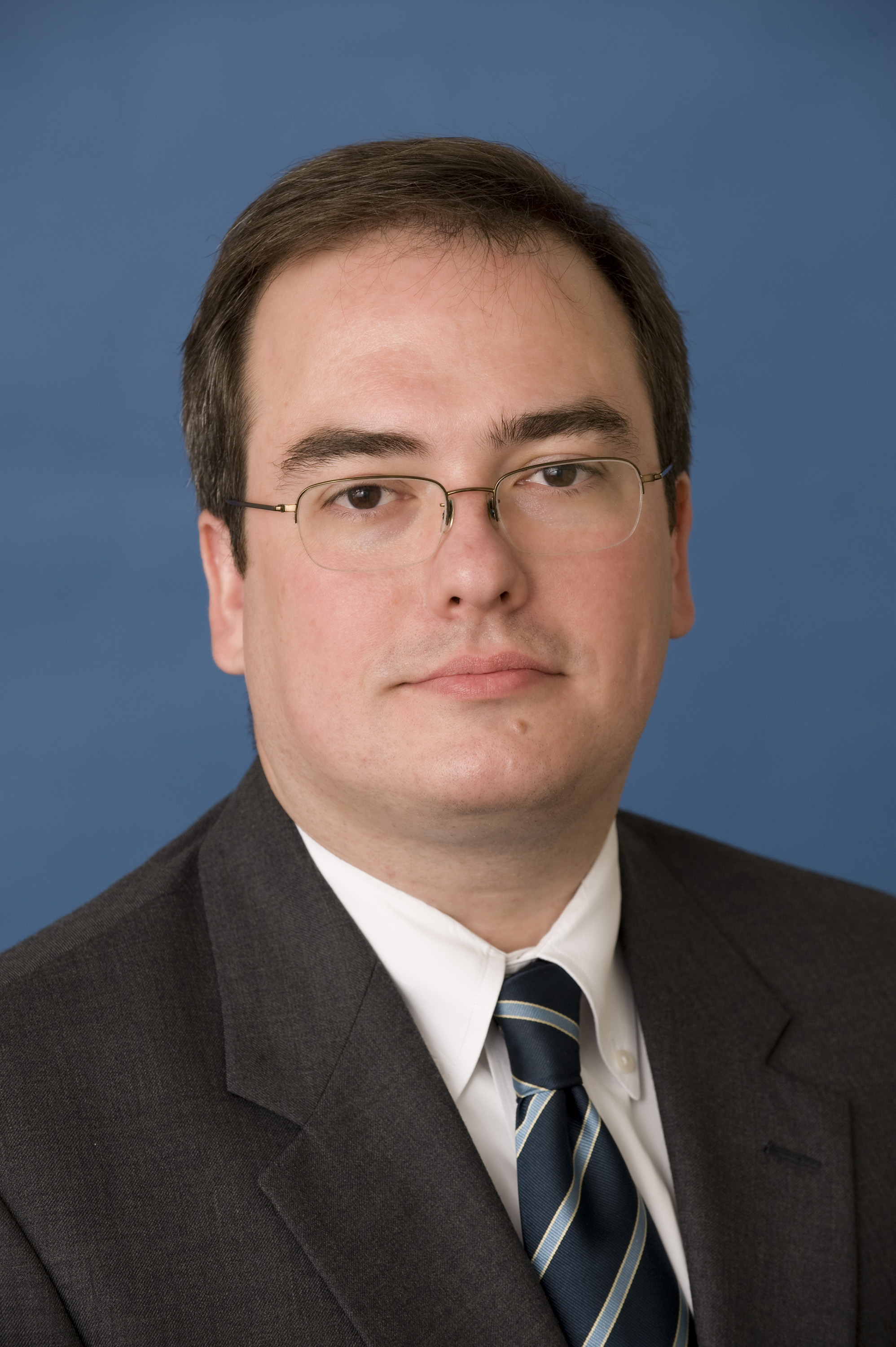
Former Associate, Middle East Program
Boucek was an associate in the Carnegie Middle East Program where his research focused on security challenges in the Arabian Peninsula and Northern Africa.
Recent Work
Christopher Boucek

Christopher Boucek, Karim Sadjadpour
Carnegie does not take institutional positions on public policy issues; the views represented herein are those of the author(s) and do not necessarily reflect the views of Carnegie, its staff, or its trustees.

Just look at Iraq in 1991.

Marwan Muasher
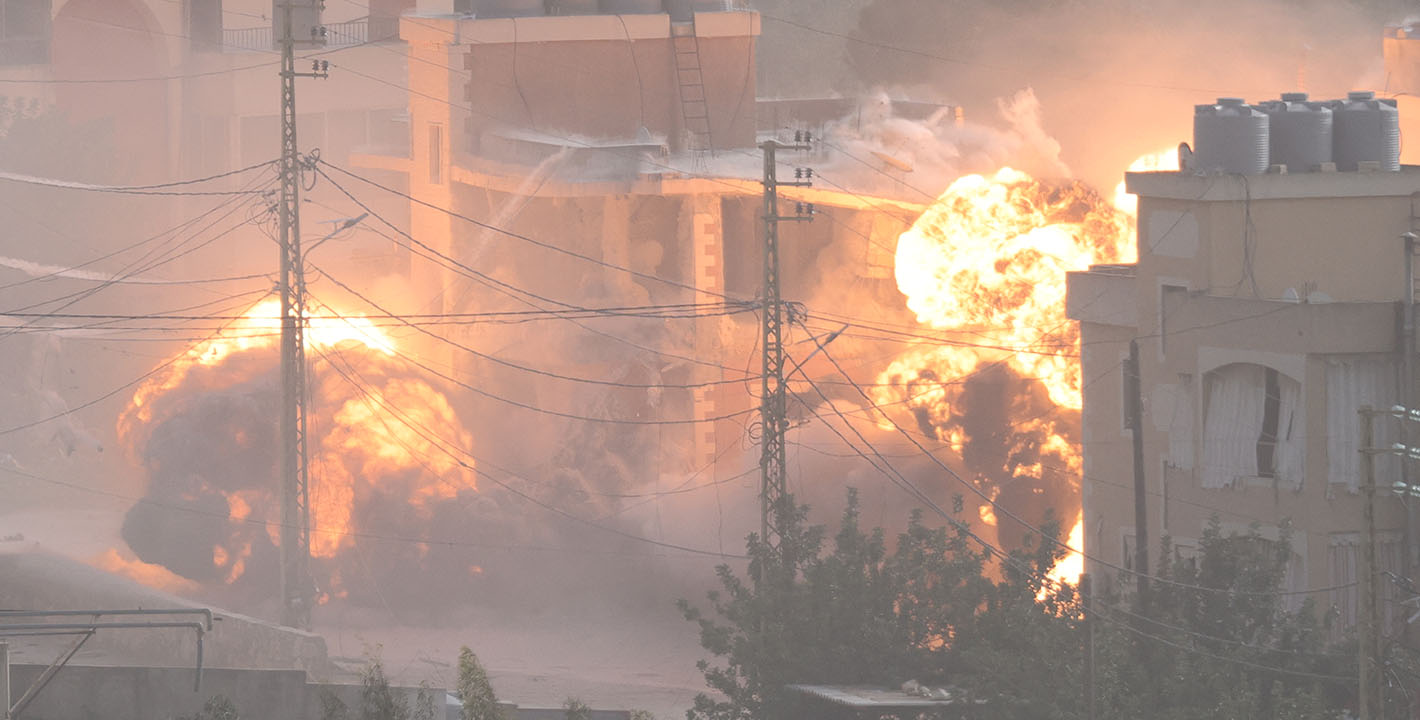
As Iran defends its interests in the region and its regime’s survival, it may push Hezbollah into the abyss.

Michael Young
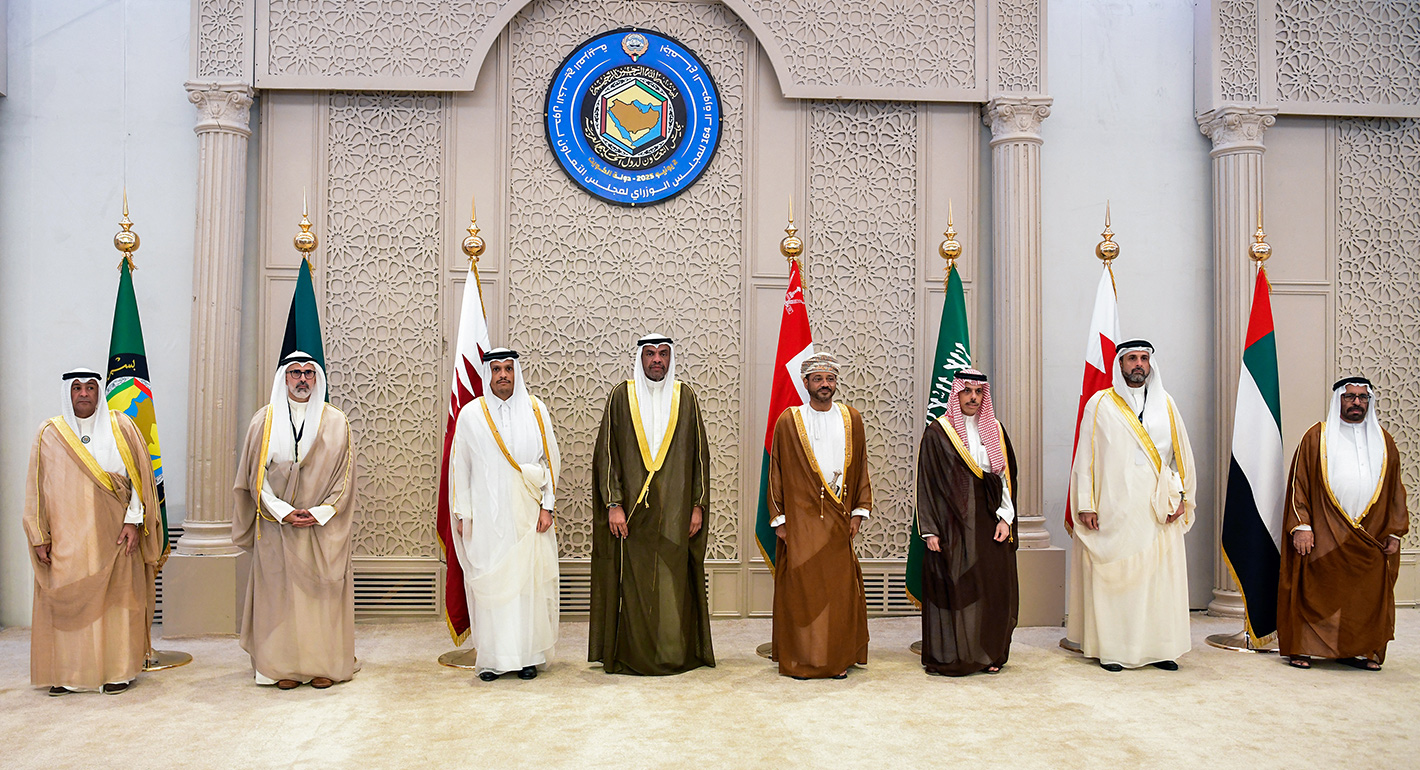
Without structural reform, the organization, which is racked by internal rivalries, risks sliding into irrelevance.

Hesham Alghannam

Fifteen years after the Arab uprisings, a new generation is mobilizing behind an inclusive growth model, and has the technical savvy to lead an economic transformation that works for all.
Jihad Azour

Baku may allow radical nationalists to publicly discuss “reunification” with Azeri Iranians, but the president and key officials prefer not to comment publicly on the protests in Iran.

Bashir Kitachaev