

Q&A
Christopher Boucek
{
  "authors": [
    "Christopher Boucek"
  ],
  "type": "legacyinthemedia",
  "centerAffiliationAll": "dc",
  "centers": [
    "Carnegie Endowment for International Peace"
  ],
  "collections": [
    "Arab Awakening"
  ],
  "englishNewsletterAll": "menaTransitions",
  "nonEnglishNewsletterAll": "",
  "primaryCenter": "Carnegie Endowment for International Peace",
  "programAffiliation": "MEP",
  "programs": [
    "Middle East"
  ],
  "projects": [],
  "regions": [
    "Middle East",
    "Yemen"
  ],
  "topics": [
    "Political Reform",
    "Economy"
  ]
}
Source: Getty
While the political crisis in Yemen is important, the failure of the country's economy could be catastrophic, with potentially serious consequences on a regional and global scale.
Source: WHYY Radio

Boucek discussed why the situation in Yemen gives him cause for concern. Yemen faces both a political and an economic crisis. Water, food, and fuel prices are rapidly rising, the value of the Yemeni currency continues to fall, and there are concerns the country is in economic meltdown. Boucek pointed out that Yemenis are among the most well-armed populations in the world, and with “too many guns and too many grievances there is the potential for the country to spiral into chaos and violence.” While the political crisis in the country is important, the failure of the Yemeni economy could be catastrophic and demands the attention of domestic and international policymakers.

Former Associate, Middle East Program
Boucek was an associate in the Carnegie Middle East Program where his research focused on security challenges in the Arabian Peninsula and Northern Africa.
Recent Work
Christopher Boucek

Christopher Boucek, Karim Sadjadpour
Carnegie does not take institutional positions on public policy issues; the views represented herein are those of the author(s) and do not necessarily reflect the views of Carnegie, its staff, or its trustees.

Just look at Iraq in 1991.

Marwan Muasher
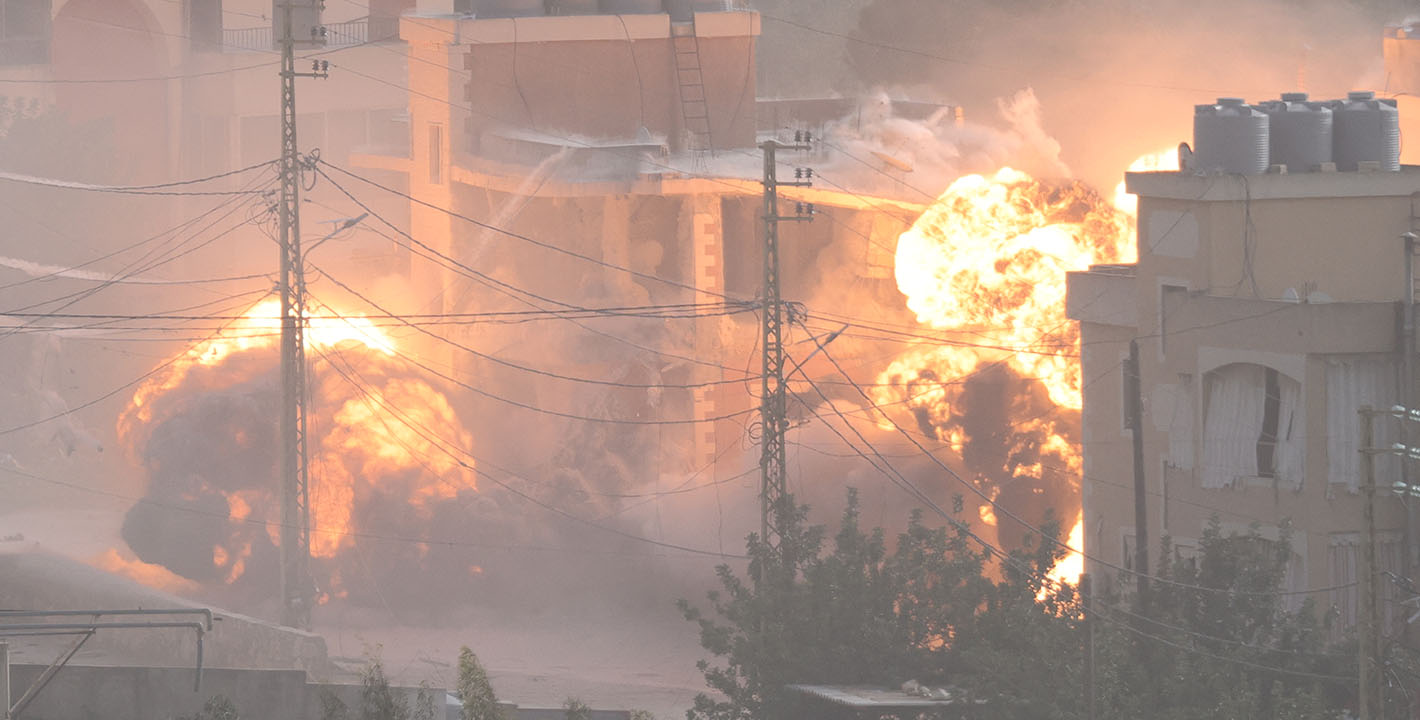
As Iran defends its interests in the region and its regime’s survival, it may push Hezbollah into the abyss.

Michael Young
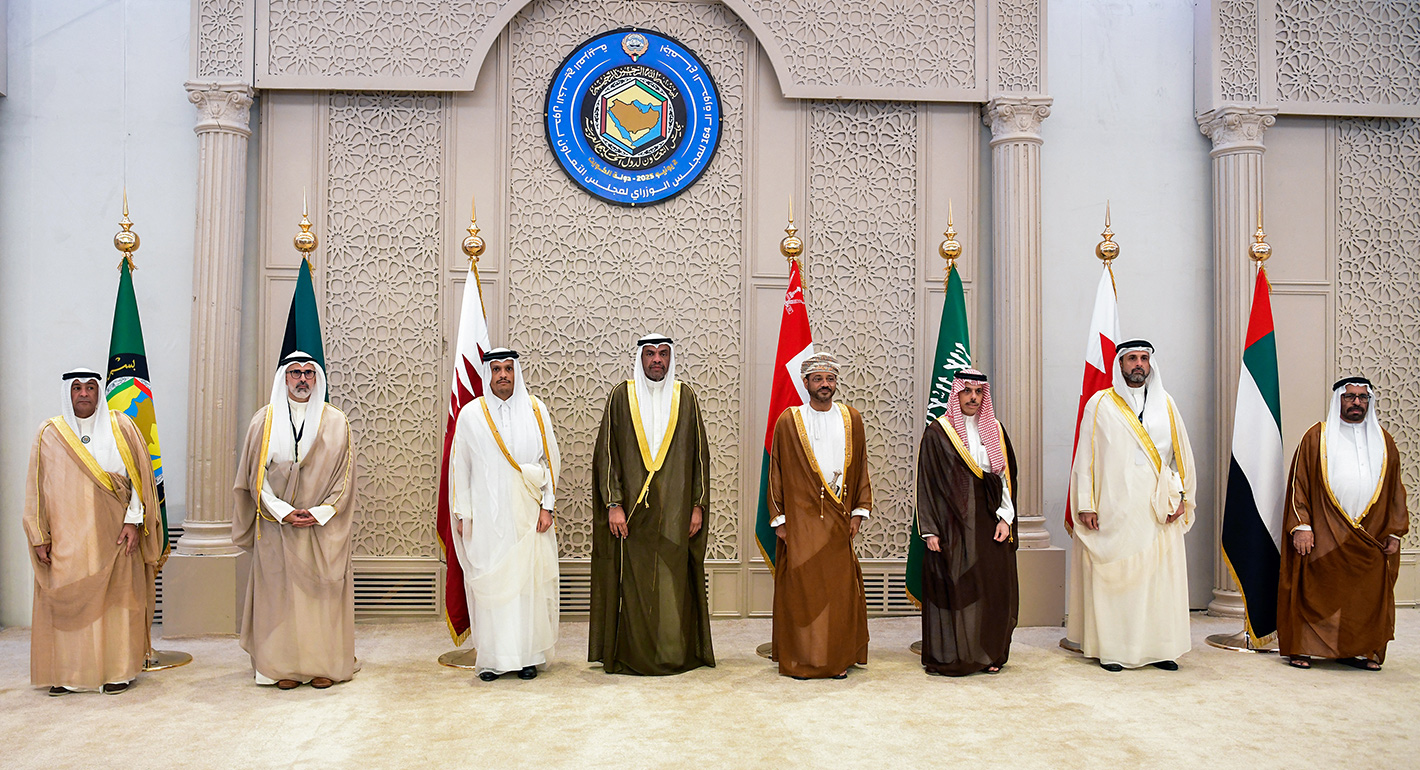
Without structural reform, the organization, which is racked by internal rivalries, risks sliding into irrelevance.

Hesham Alghannam

Fifteen years after the Arab uprisings, a new generation is mobilizing behind an inclusive growth model, and has the technical savvy to lead an economic transformation that works for all.
Jihad Azour

Baku may allow radical nationalists to publicly discuss “reunification” with Azeri Iranians, but the president and key officials prefer not to comment publicly on the protests in Iran.

Bashir Kitachaev