

Paper
Lora Saalman
{
  "authors": [
    "Lora Saalman"
  ],
  "type": "legacyinthemedia",
  "centerAffiliationAll": "",
  "centers": [
    "Carnegie Endowment for International Peace",
    "Carnegie China"
  ],
  "collections": [
    "U.S.-China Relations"
  ],
  "englishNewsletterAll": "",
  "nonEnglishNewsletterAll": "",
  "primaryCenter": "Carnegie Endowment for International Peace",
  "programAffiliation": "",
  "programs": [],
  "projects": [],
  "regions": [],
  "topics": [
    "Security",
    "Arms Control"
  ]
}
Source: Getty
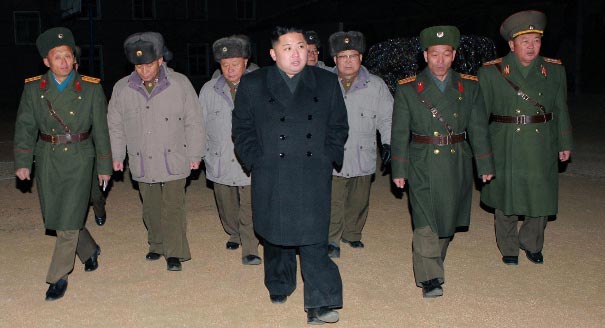
As the United States moves forward into a new round of Six Party Talks on North Korea's nuclear program, it is likely to place an emphasis on caution.
Source: CNTV
Carnegie’s Lora Saalman sat down with CNTV to discuss the latest round of Six Party talks taking place in Beijing. This is the first time that American negotiators will sit down and talk to the North Korean leadership since the death of Kim Jong Il.
Saalman explained that the U.S. negotiators will go into these talks with an emphasis on caution. Although this time there is a new leader, Kim Jung Un is likely still surrounded by the same coterie of people so it is doubtful that there will be any real changes in policy. Indeed, since Kim Jung Un’s legitimacy has not yet been fully established domestically, it is probable that the regime will “take a stronger stance and make more harsh pronouncements,” Saalman said, since the nuclear program has been a big part of the incumbent regime’s legitimacy.

Former Nonresident Associate, Nuclear Policy Program
Saalman was a nonresident associate in the Nuclear Policy Program at the Carnegie Endowment for International Peace. Her research focuses on China’s nuclear and strategic policies toward India, Russia, and arms control.
Recent Work
Lora Saalman
Lora Saalman
Carnegie does not take institutional positions on public policy issues; the views represented herein are those of the author(s) and do not necessarily reflect the views of Carnegie, its staff, or its trustees.

Just look at Iraq in 1991.

Marwan Muasher

Baku may allow radical nationalists to publicly discuss “reunification” with Azeri Iranians, but the president and key officials prefer not to comment publicly on the protests in Iran.

Bashir Kitachaev
In addressing Hezbollah’s disarmament, the Lebanese state must start by increasing its own leverage.

Michael Young
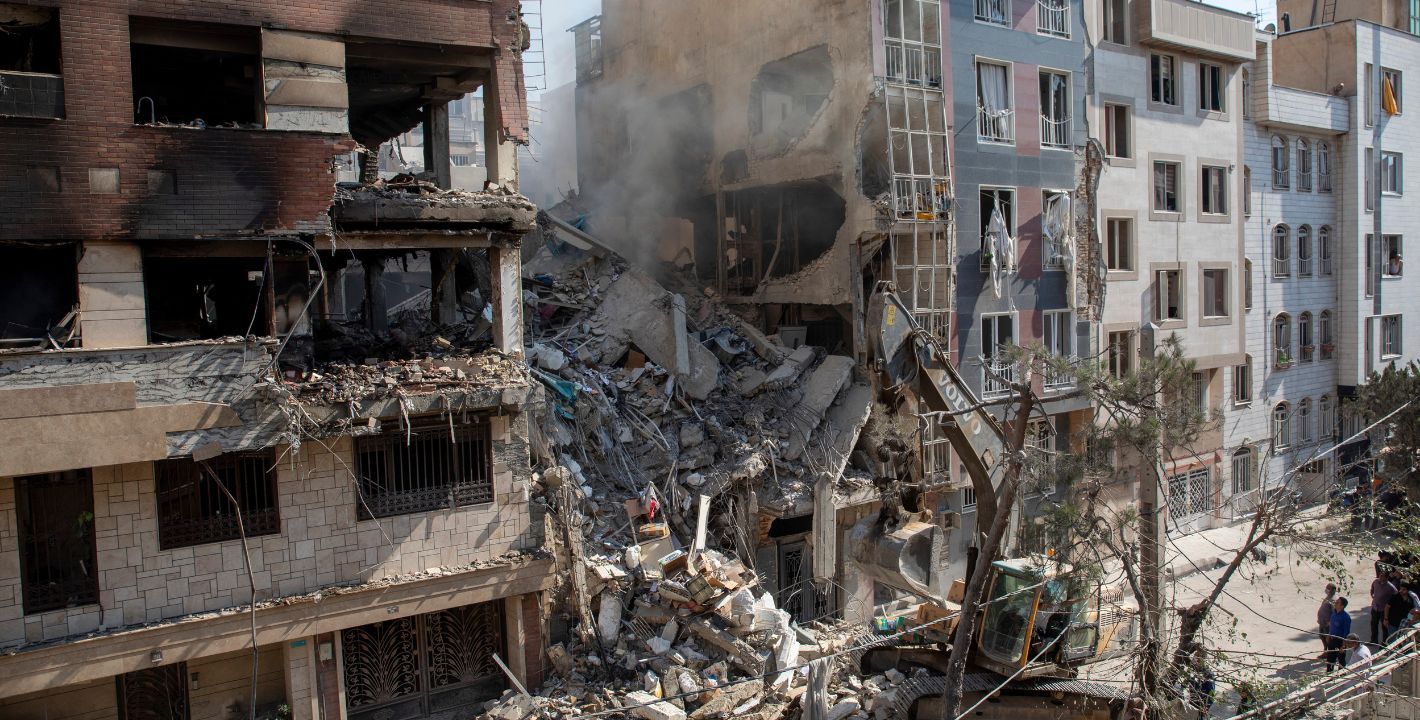
The country’s political and military establishment is still debating how to interpret the recent war’s outcome.
Nicole Grajewski
Spot analysis from Carnegie scholars on events relating to the Middle East and North Africa.

Mohanad Hage Ali