

Paper
Ibrahim Saif, Ahmed Ghoneim
{
  "authors": [
    "Ibrahim Saif"
  ],
  "type": "legacyinthemedia",
  "centerAffiliationAll": "",
  "centers": [
    "Carnegie Endowment for International Peace",
    "Malcolm H. Kerr Carnegie Middle East Center"
  ],
  "collections": [],
  "englishNewsletterAll": "",
  "nonEnglishNewsletterAll": "",
  "primaryCenter": "Malcolm H. Kerr Carnegie Middle East Center",
  "programAffiliation": "",
  "programs": [],
  "projects": [],
  "regions": [
    "Levant",
    "Syria"
  ],
  "topics": [
    "Economy"
  ]
}
Source: Getty
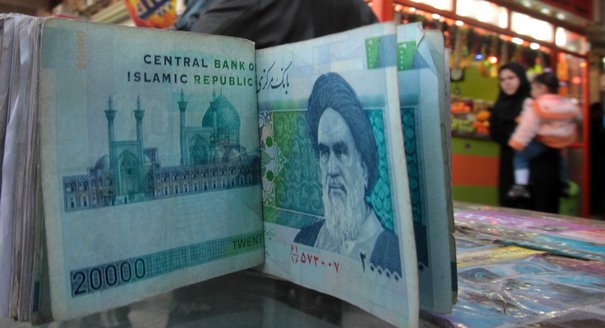
The latest slide in the value of the rial has surprised many for its severity and speed—with potentially severe ramifications for Iran’s regional allies, including Syria.
Source: Al Monitor

As a result of the currency’s decline in value, prices in Iran have reached new highs, particularly the cost of imported goods and local goods made from imported materials. Such price inflation typically triggers a demand for higher wages. To avoid calls for higher wages, and to mitigate its inability to pay for imports and increased local demand for foreign currency, a government will sometimes deliberately devalue its currency to limit imports and consumption. But there are deeper issues at the root of Iran’s problems. The latest drop in the rial’s value reflects the seriousness of the economic crisis in Iran.
The sharp decline is due in part to Iran’s loss of many of its hard currency sources. The blockade on Iranian oil exports, estimated to be costing the country $40 billion to $50 billion per year, is forcing Iran to sell its oil to countries like India and China at discounted prices, while Iran incurs shipping, transportation, and insurance costs. This is happening when domestic demand for foreign currency is increasing.Iranians’ loss of confidence in the way the country’s economy is managed has also been a source of the sharp devaluation of the currency. There appears to be neither a clear economic policy nor economic vision upon which the private sector in Iran can rely. This is pushing business owners, entrepreneurs, and average Iranians with money saved up to demand foreign currencies, which are considered safer.
Meanwhile, Iranian officials have taken to trading accusations over responsibility for the economic crisis. Iranian President Mahmoud Ahmadinejad and other officials have rushed to pin blame on the West, specifically on the boycott imposed on Iran. But Minister of Industries and Business Mehdi Ghazanfari seemed to view the opposition in Iran, combined with local mismanagement, as chiefly responsible for the rial’s significant decline, the associated inflation, and the drop in Iranians’ income in real terms. Ghazanfari said he hoped the Iranian security services would clamp down on the speculators responsible for the currency’s decline.
This flurry of accusations is a clear indication that Iranian officials do not have an economic policy to halt the decline. Indeed, much evidence suggests that the economic crisis will deteriorate further, reinforcing many Iranians’ conviction that the rial will continue to drop and that they must rid themselves of the currency to avoid losing their savings.
All of this has an impact on Iran’s foreign relations and its ability to fund political allies. Iran regularly transfers money to Syria to help Damascus maintain an acceptable degree of economic stability. Although there are no accurate figures, it is estimated that Syria’s foreign currency reserves deplete at a rate of roughly $500 million per month. Syria’s need for other sources of foreign currency to maintain the value of its pound will increase as it becomes increasingly difficult for Iran to secure its own foreign currency needs.
As such, with inflation affecting most of the Iranians depending on fixed salaries, estimated to encompass about 90% of the Iranian labor force, it is difficult to see money flowing out of Tehran to Damascus.
Moreover, with foreign remittances and investments going to Syria on the decline, and Syrian exports to neighboring countries dwindling, it seems that Damascus is under economic siege from its neighbors. And Iran cannot continue to finance trade with or send tourists to Syria. As a result, one of the last sources of supportive economic activity in Syria will dry up, without solutions or alternatives on the horizon.
Syria will find itself compelled again to devalue the Syrian pound as its sources of foreign currency dry up, inevitably resulting in a loss of confidence in the Syrian pound itself. The Syrian economy is barely able to meet the basic needs of its citizens amid a high rate of inflation, declining public services, and the destruction of its infrastructure. Political solutions or compromises are the only way to restore confidence in the Syrian economy. The economy, which has so far show a high degree of resilience, is now losing an important stabilizer and is at risk of collapse.

Former Senior Associate, Middle East Center
Saif is an economist specializing in the political economy of the Middle East. His research focuses on international trade and structural adjustment programs in developing countries, with emphasis on Jordan and the Middle East.
Recent Work
Ibrahim Saif, Ahmed Ghoneim
Ibrahim Saif, Muhammad Abu Rumman
As Iran defends its interests in the region and its regime’s survival, it may push Hezbollah into the abyss.

Michael Young
A recent offensive by Damascus and the Kurds’ abandonment by Arab allies have left a sense of betrayal.
Wladimir van Wilgenburg
The government’s gains in the northwest will have an echo nationally, but will they alter Israeli calculations?

Armenak Tokmajyan
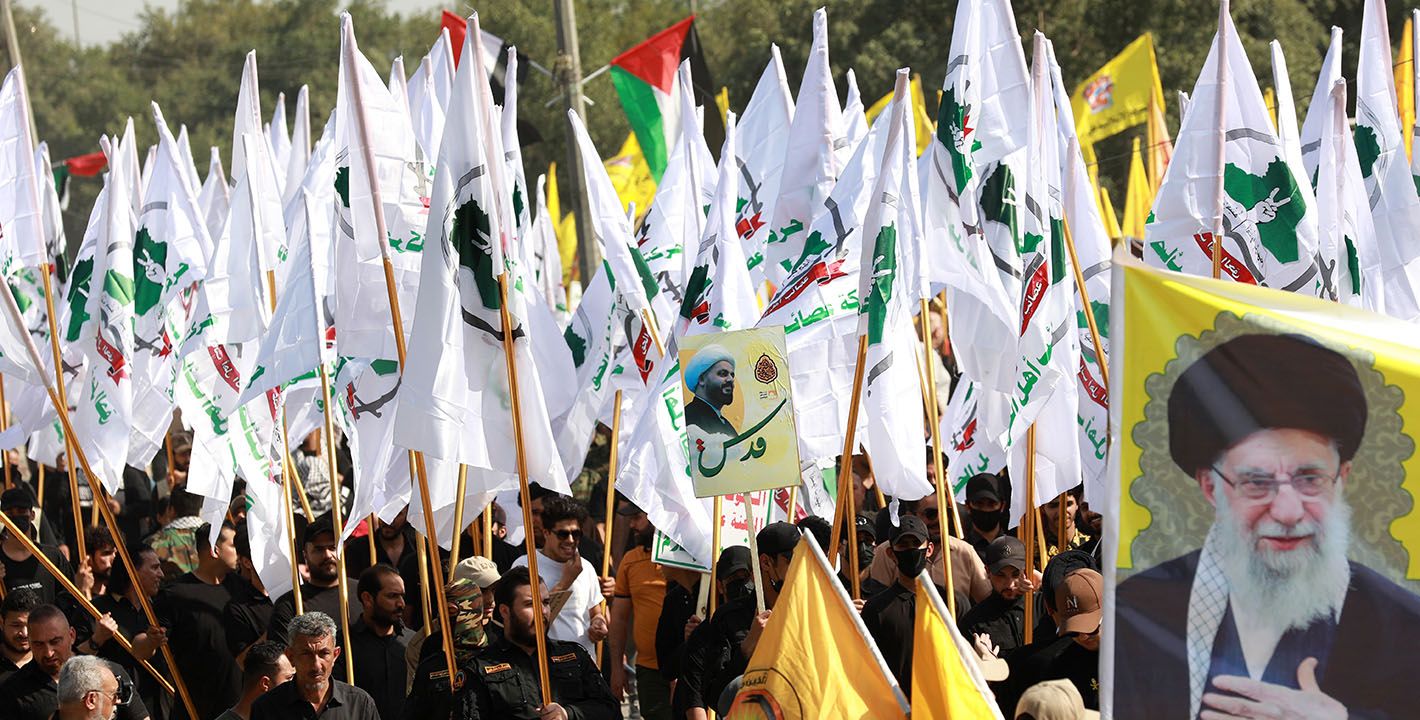
Beirut and Baghdad are both watching how the other seeks to give the state a monopoly of weapons.
Hasan Hamra
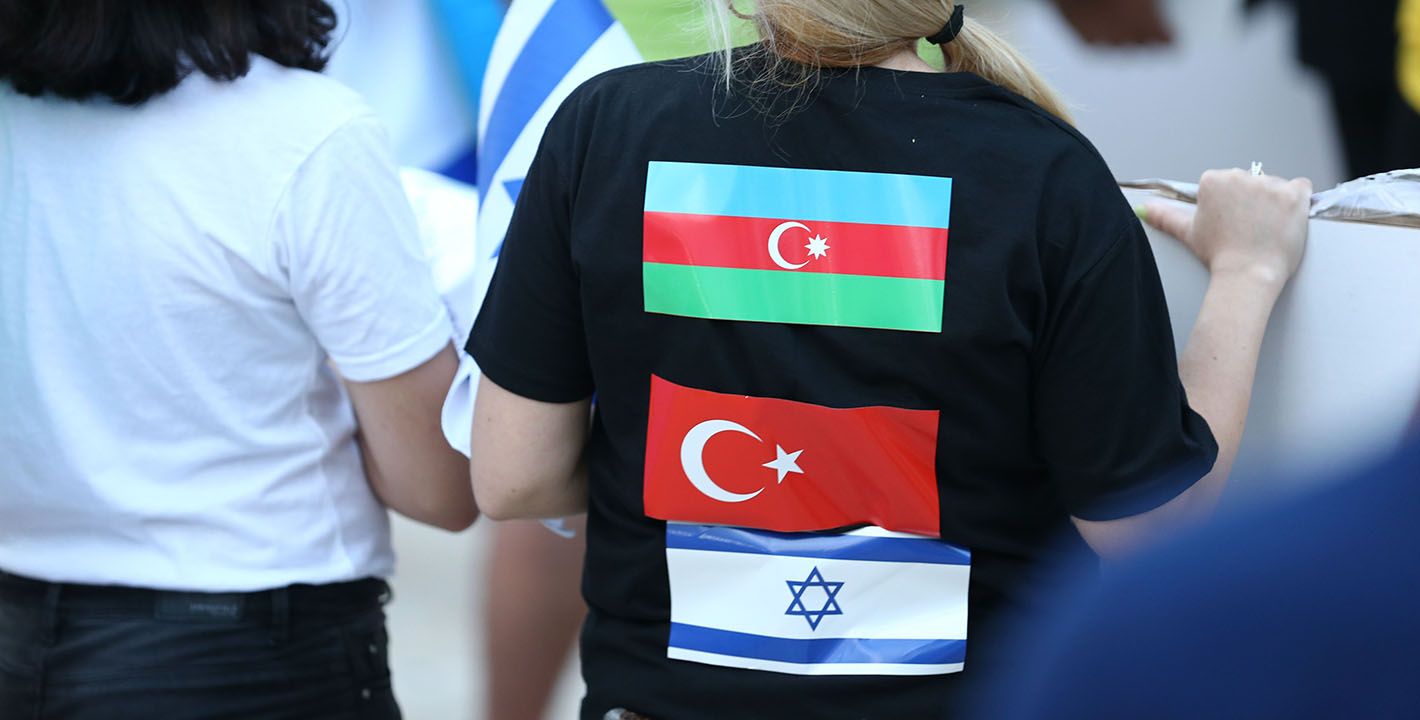
The country’s leadership is increasingly uneasy about multiple challenges from the Levant to the South Caucasus.
Armenak Tokmajyan