

In The Media
Kevin Jianjun Tu
{
  "authors": [
    "Kevin Jianjun Tu"
  ],
  "type": "legacyinthemedia",
  "centerAffiliationAll": "dc",
  "centers": [
    "Carnegie Endowment for International Peace",
    "Carnegie China"
  ],
  "collections": [],
  "englishNewsletterAll": "ctw",
  "nonEnglishNewsletterAll": "",
  "primaryCenter": "Carnegie China",
  "programAffiliation": "SCP",
  "programs": [
    "Sustainability, Climate, and Geopolitics"
  ],
  "projects": [],
  "regions": [
    "East Asia",
    "China",
    "North America"
  ],
  "topics": [
    "Nuclear Policy",
    "Nuclear Energy",
    "Climate Change"
  ]
}
Source: Getty
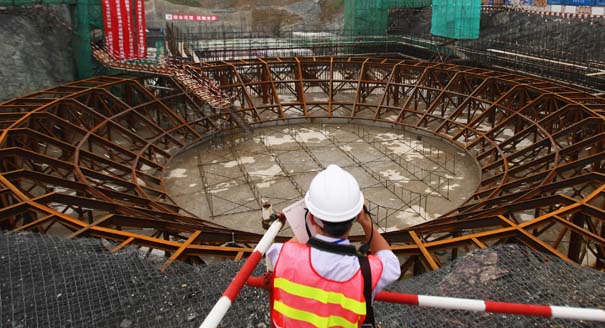
Chinese nuclear companies should explore overseas project opportunities by teaming up with leading international players.
Source: China Daily

In 2011, nuclear energy accounted for less than 2 percent of China's total power generation, the lowest among all nations using nuclear power. Nevertheless, with 26 reactors under construction, China represents about 40 percent of the global new build.
However, the Chinese nuclear industry is not enthused with the updated nuclear target of 40 gW by 2015 as no new inland reactors are permitted in China, while only a few reactors in coastal provinces will get the green light in the next three years.
The plan also envisages that new nuclear reactors in China must adhere to "the highest safety standards in the world". Since it was earlier reported that China's domestically designed second-generation CNP300 and second-generation plus CPR1000 reactors do not even match up to the national safety standards issued in 2004, the new rules insist that new plants should be built with "third-generation" technology, or in other words state-of-the-art nuclear reactors, on the lines of the AP1000 pioneered by Westinghouse and the EPR developed by Areva. Beijing still has a long way to go before any imported third-generation design can be fully indigenized as all the third-generation reactors, the four AP1000s and two EPRs, are still under construction.
Despite these challenges, China has already stepped up export efforts. The biggest challenge for Chinese nuclear companies is to ensure that their potential nuclear export deals are also backed by stringent safety safeguards.
Chinese nuclear companies' recent attempts to enter the UK nuclear market also show the challenges that these companies face during overseas expansion. Under pressure from Germany's decision to phase out nuclear power by 2022, German utilities RWE and E.ON announced in March the sale of Horizon, a joint venture through which they had planned to build reactors in UK, with a combined capacity of at least 6 gW.
Attracted by the deep pockets of China's state-owned nuclear enterprises, Westinghouse teamed up with China's State Nuclear Power Technology Corporation, while Areva linked up with China Guangdong Nuclear Power Company (CGNPC) to put forward separate offers in the UK.
Due to the significant financial risks involved in building new reactors, especially after the Fukushima nuclear disaster and the potential political opposition to Chinese participation, both these consortiums eventually walked away from the deal. Even so, this case has well illustrated both the strengths and weaknesses of Chinese nuclear enterprises. In order to overcome the technological weakness, Chinese nuclear companies must continuously explore overseas project opportunities by teaming up with leading international players.
Apart from nuclear technology export, China has also become an important player in the international uranium trade and exploration. Since a single 1 gW pressurized water reactor, the most dominant reactor type in China, needs to consume 169.45 to 190.11 metric tons of uranium, 40 gW of nuclear capacity by 2015 roughly translates into about 7,500-8,000 tons of annual natural uranium consumption. With annual uranium production estimated at around 1,000 tons, China would need to procure the balance uranium from the international markets.
Given the importance of nuclear safety in any part of the world, Chinese companies should explore more overseas project opportunities by teaming up with international leading players. To fuel China's increasingly sizable nuclear generation fleet, Beijing should also encourage its nuclear industries to go abroad to ensure stable supplies of uranium.
Former Senior Associate , Energy and Climate Program
Tu was a senior associate in Carnegie’s Energy and Climate Program, where he led the organization’s work on China’s energy and climate policies.
Recent Work
Kevin Jianjun Tu
Kevin Jianjun Tu
Carnegie does not take institutional positions on public policy issues; the views represented herein are those of the author(s) and do not necessarily reflect the views of Carnegie, its staff, or its trustees.
Across the Middle East and North Africa, climate stress interacts with economic fragility, governance failures, social marginalization, and conflict.

Camille Ammoun

In an interview, Marc Lynch discusses his new book decrying the post-1990 U.S.-dominated order in the Middle East.

Michael Young
Understanding how farmers in the Oued Sahel-Soummam Valley grapple with climate change is essential for addressing the paradoxes through which adaptation, operating at both individual and institutional levels, deepens the region’s vulnerability and erodes the social fabric and agrarian identity that once defined life.

Ilyssa Yahmi
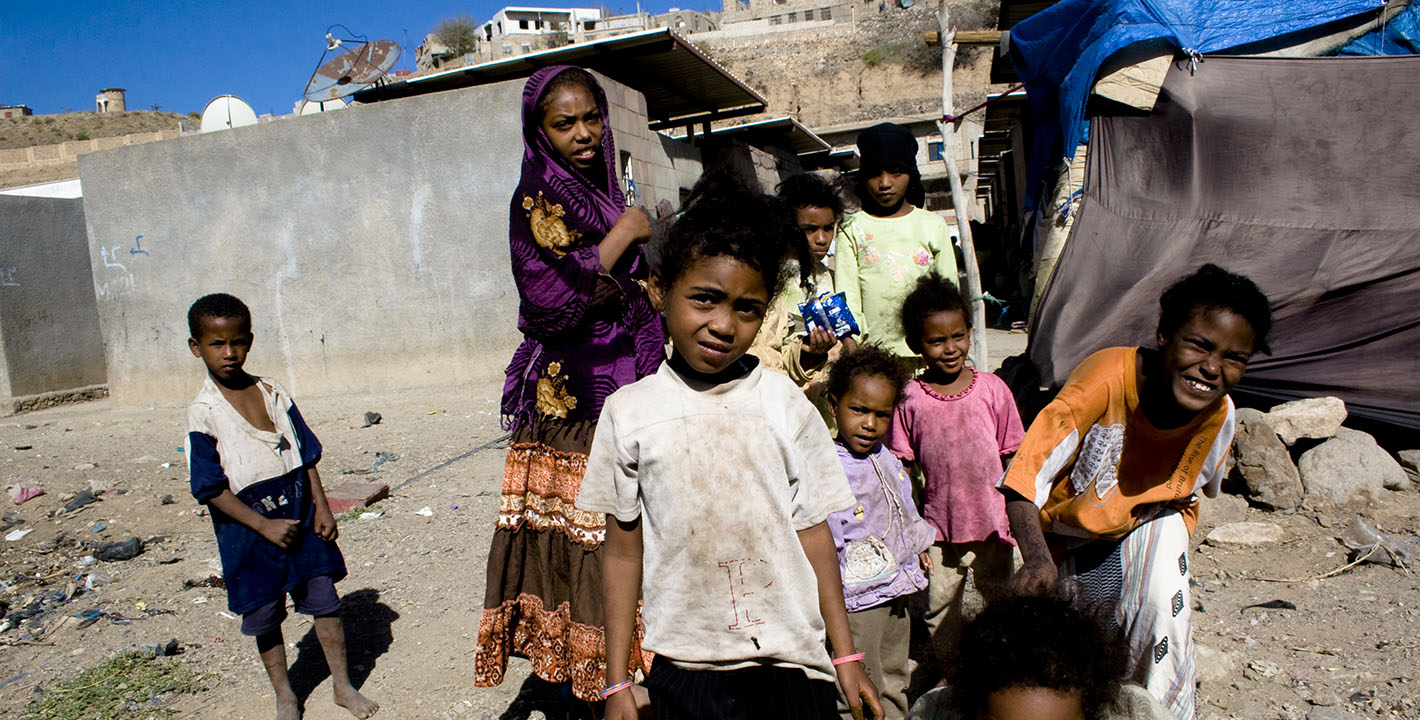
The community already suffers social discrimination, so addressing inequalities requires sustained interventions.
Musaed Aklan , Mohammad Al-Saidi
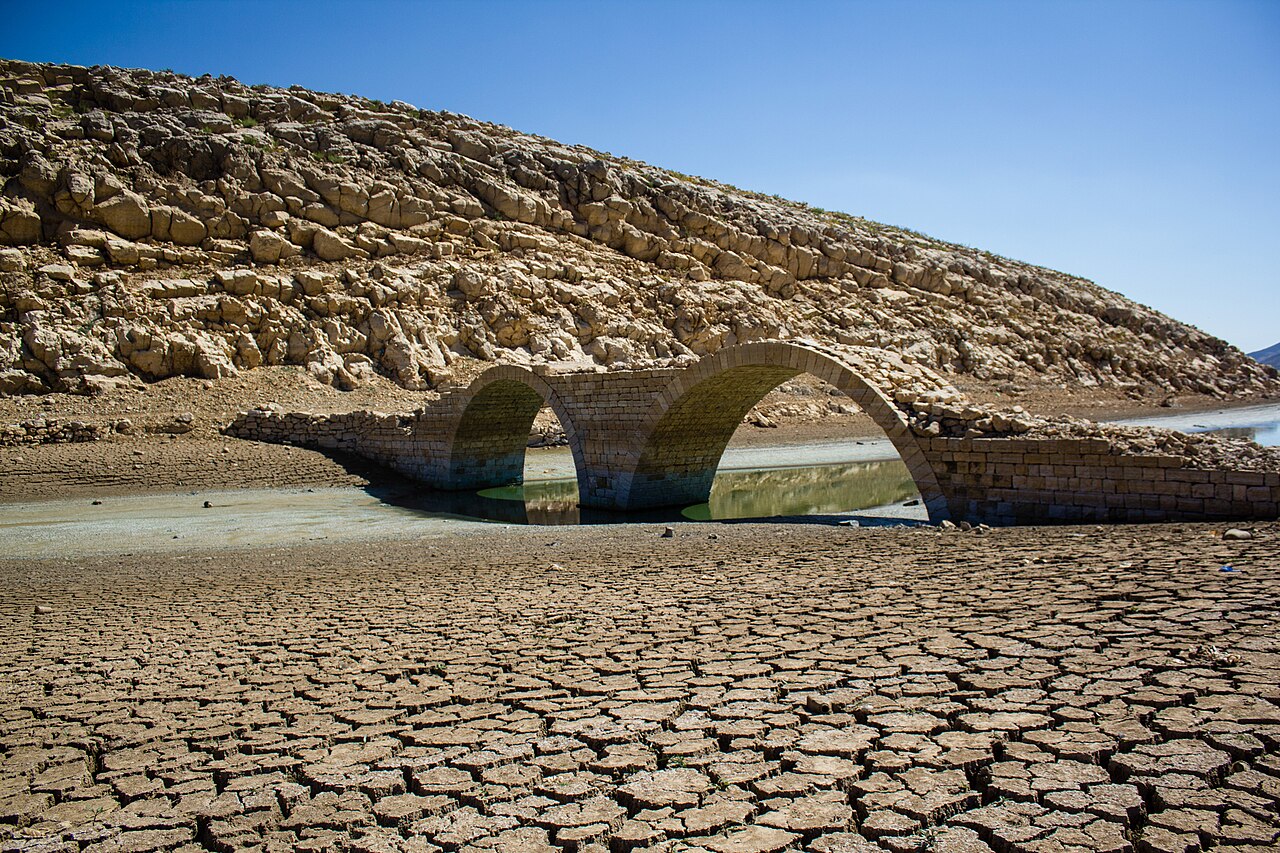
Lebanon’s largest water reservoir is a house of many mansions when it comes to converging failures.
Camille Ammoun