

Research
- +5
Alper Coşkun, Fatih Ceylan, Tacan İldem, …
{
  "authors": [
    "Sinan Ülgen"
  ],
  "type": "legacyinthemedia",
  "centerAffiliationAll": "",
  "centers": [
    "Carnegie Endowment for International Peace",
    "Carnegie Europe",
    "Malcolm H. Kerr Carnegie Middle East Center"
  ],
  "collections": [
    "Europe’s Southern Neighborhood"
  ],
  "englishNewsletterAll": "",
  "nonEnglishNewsletterAll": "",
  "primaryCenter": "Carnegie Europe",
  "programAffiliation": "",
  "programs": [],
  "projects": [],
  "regions": [
    "Middle East",
    "Levant",
    "Syria"
  ],
  "topics": [
    "Political Reform",
    "Security",
    "Military"
  ]
}
Source: Getty
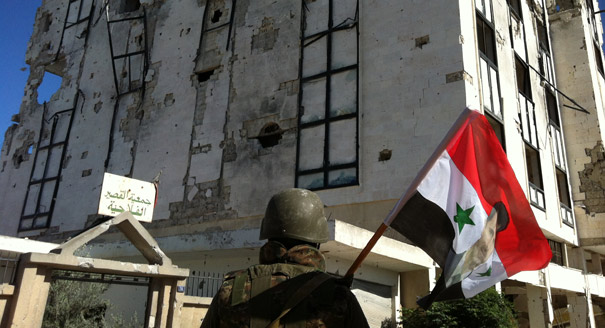
If a Security Council resolution for a military intervention in Syria is not realistic politically, there are at least three other options.
Source: BBC World News
For a military intervention to really enjoy full legitimacy, a UN Security Council resolution would be needed - and for that the legal basis would be Article 39 and Article 42 of the UN Charter.
If a Security Council resolution is not realistic politically, there are at least three other options.
The first option is to remain in the UN system and invoke a provision that has been used once before - in the 1950s during the Korean crisis - when the Security Council was blocked.
The parties moved to get a resolution from the UN General Assembly. That does not have the same legal weight, but nonetheless it could be something to take into consideration because that would be recognition of a potential operation with [some] political legitimacy - especially if there is a mass vote in favour.The other options would be outside the UN framework.
One lies under the "Responsibility to Protect" (R2P) concept.
The 1999 Kosovo operation did not receive a UN mandate, but went ahead nonetheless on the basis of the R2P principle. The quest to find a sound legal basis for Kosovo-type interventions [later] led to the codification of R2P in 2005.
The third option is one which would come into force if Syria were deemed to have violated one of the legal obligations of the international order by using chemical weapons, which have been banned under the 1925 Geneva Protocol.
This third option was not used in Iraq in 1988, when Saddam Hussein's regime used chemical weapons against the Kurds. But nonetheless there might be an opportunity today to invoke this specific legal justification on the basis that Syria has violated its commitments under the Protocol.

Senior Fellow, Carnegie Europe
Sinan Ülgen is a senior fellow at Carnegie Europe in Brussels, where his research focuses on Turkish foreign policy, transatlantic relations, international trade, economic security, and digital policy.
Recent Work

Alper Coşkun, Fatih Ceylan, Tacan İldem, …
Carnegie does not take institutional positions on public policy issues; the views represented herein are those of the author(s) and do not necessarily reflect the views of Carnegie, its staff, or its trustees.
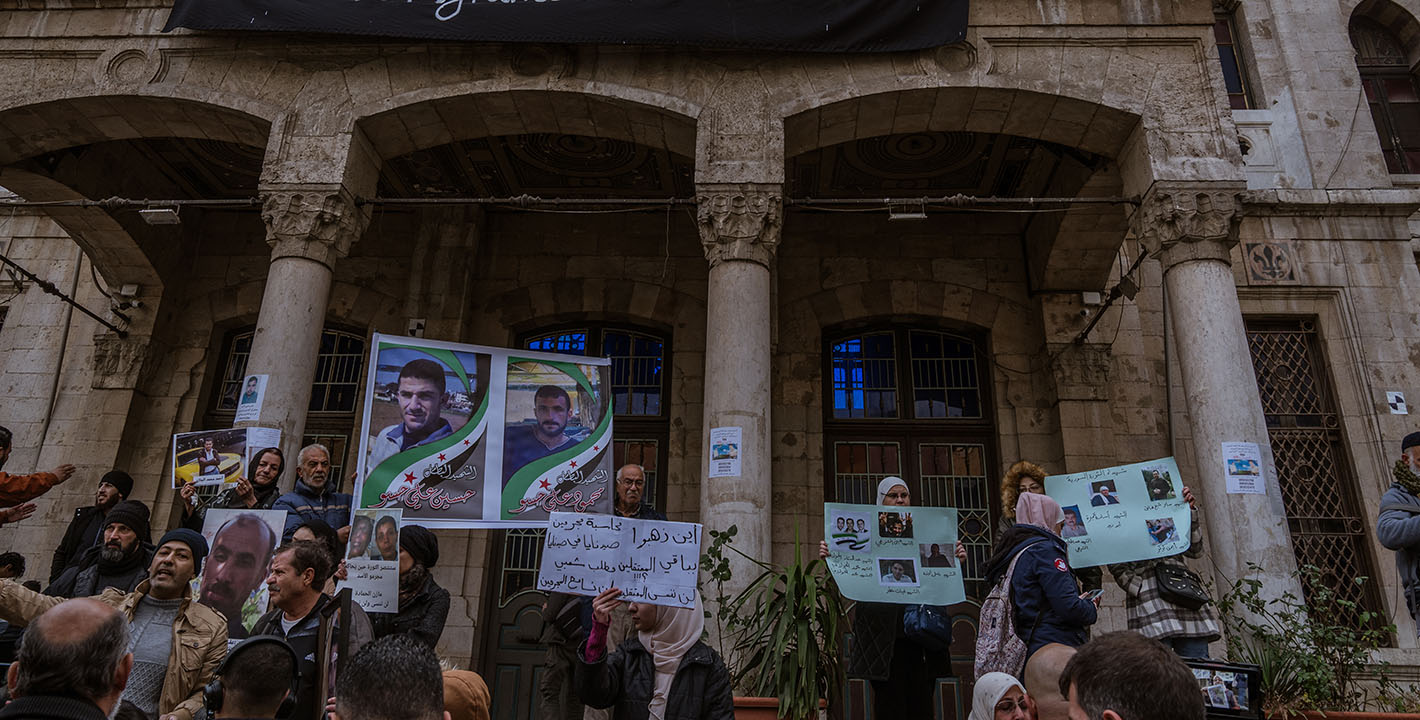
Reconciliation councils are emerging throughout the country to mediate in intracommunal disputes, many from the war years.
Natacha Danon
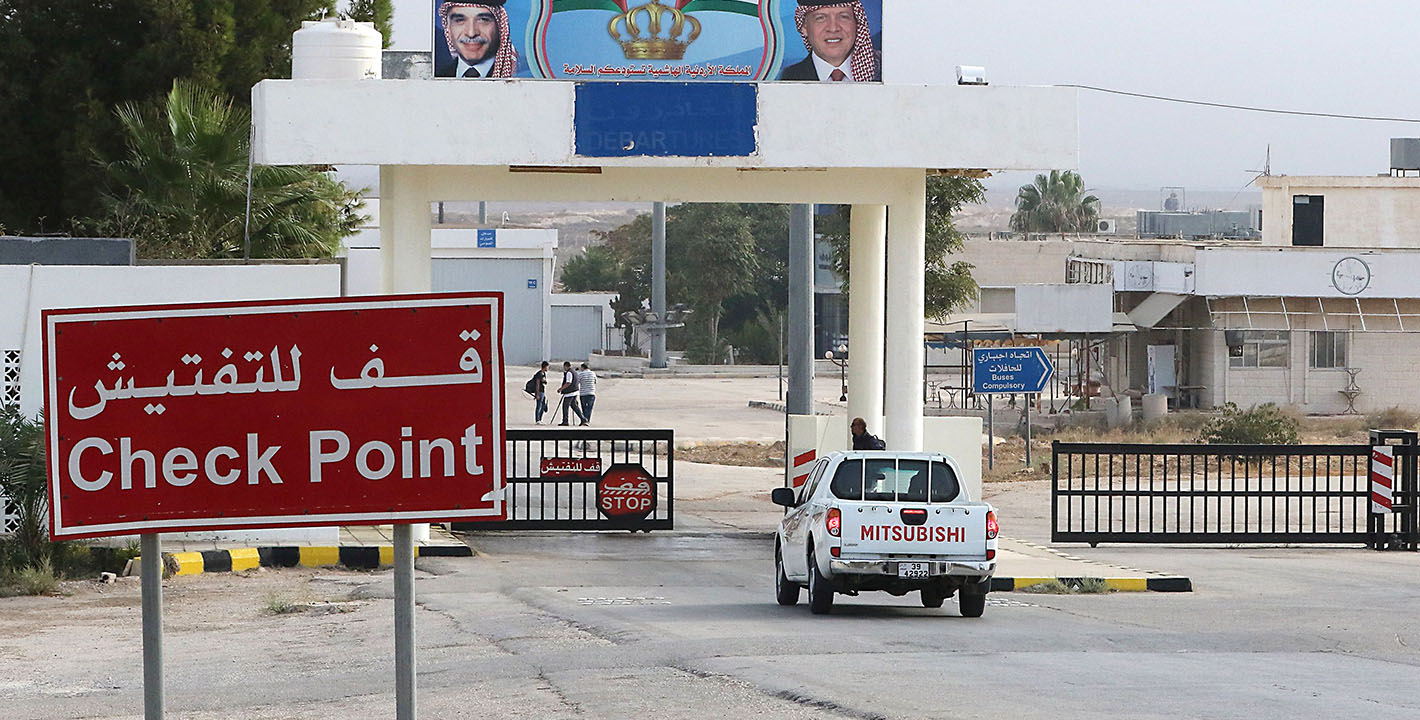
The civil war in Syria may have ended, but the country continues to serve as a source for the trafficking of illegal substances into and via Jordanian territory.

Armenak Tokmajyan, Laith Qerbaa
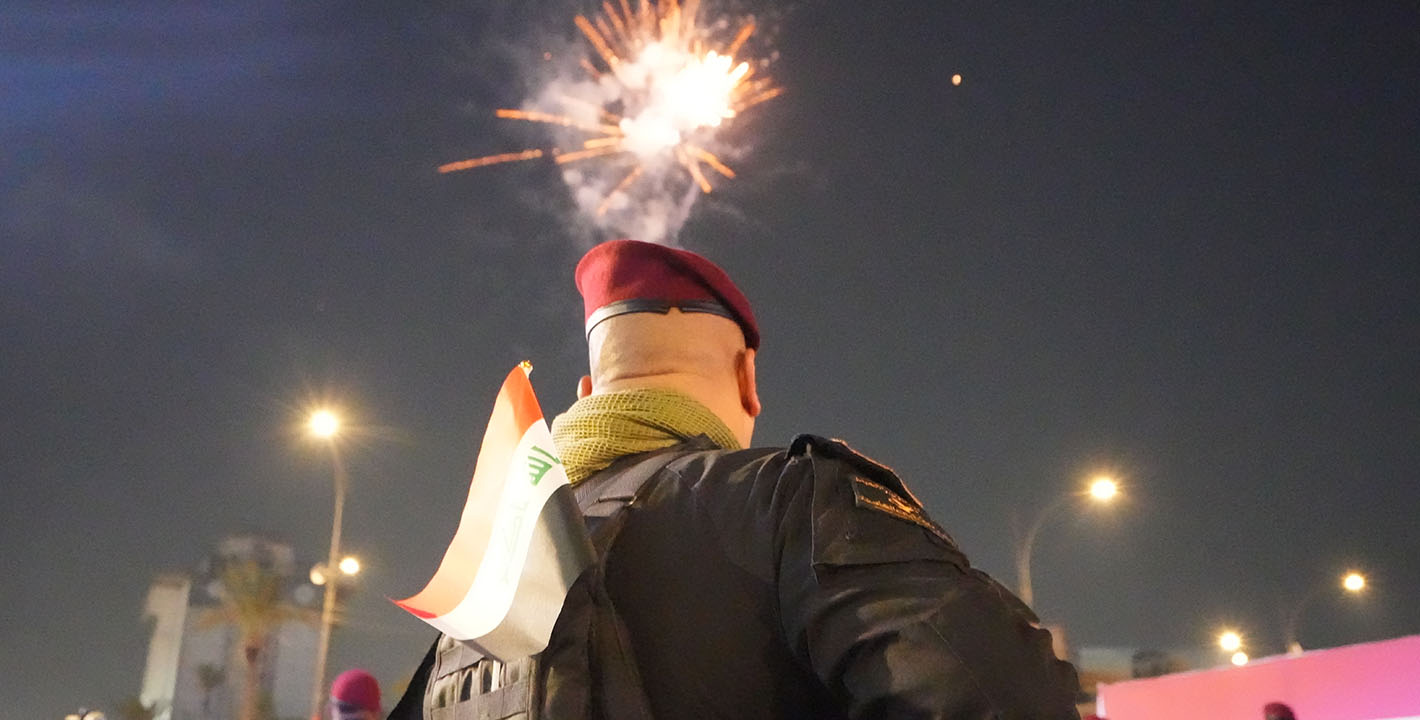
As the U.S.-led Coalition withdraws, the Kurds’ reliance on Baghdad, and on themselves, will only increase.
Wladimir van Wilgenburg

As the U.S. stumbles in its war with Iran, we are likely to see an acceleration of its disengagement from the region.

Michael Young
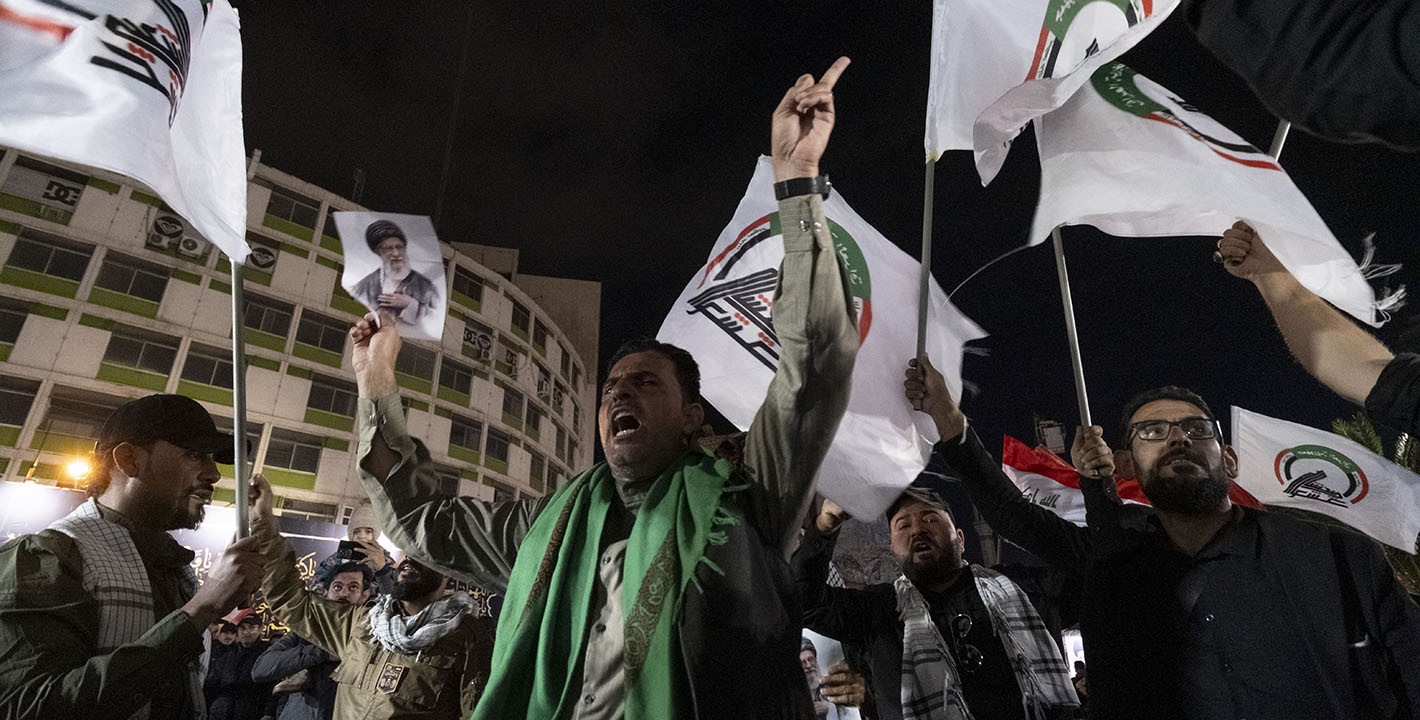
The Zaidi government’s objective to collect weapons is constrained by regional conflict, but it can take certain measures at home.
Ali Al-Mawlawi