

Commentary
Dmitri Trenin
{
  "authors": [
    "Dmitri Trenin"
  ],
  "type": "legacyinthemedia",
  "centerAffiliationAll": "",
  "centers": [
    "Carnegie Endowment for International Peace",
    "Malcolm H. Kerr Carnegie Middle East Center",
    "Carnegie Russia Eurasia Center"
  ],
  "collections": [],
  "englishNewsletterAll": "",
  "nonEnglishNewsletterAll": "",
  "primaryCenter": "Carnegie Russia Eurasia Center",
  "programAffiliation": "",
  "programs": [],
  "projects": [
    "Eurasia in Transition"
  ],
  "regions": [
    "Levant",
    "North America",
    "United States",
    "Middle East",
    "Syria",
    "Russia"
  ],
  "topics": [
    "Security",
    "Nuclear Policy",
    "Global Governance",
    "Foreign Policy"
  ]
}
Source: Getty
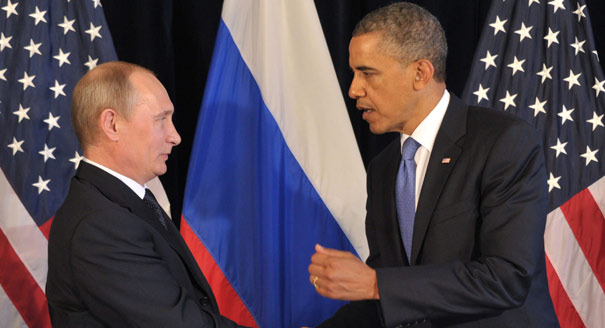
Russia’s chemical weapons plan will require a serious re-launch of the political process in Syria.
Source: BBC
The short answer is yes [the plan] can work, although it doesn't mean it will. Russia holds the key.
[The plan] will require pretty serious heavy lifting. It will require the Syrian government opening itself up, as far as its chemical arsenal is concerned, to the international community. It will require teams of inspectors to come to Syria and it would require that team to be supported by a peacekeeping force, a sizeable one.It will require a ceasefire in the areas where the chemical weapons are stored, [and] an agreement between the Syrian government and the international community, whether the UN or the Organisation for Chemical Weapons, and thus an implicit recognition of the Assad regime as the government or authority in Syria.
It will require a serious re-launch of the political process in Syria.
So [it's] a very tall order. [But] working along that path is the best option that we have. Military strikes would be a very bad option for everyone involved, except maybe for the anti-Western extremist forces in Syria and the Middle East more broadly, [who] would thrive in the wake of US strikes in Syria.
We don't have a choice other than to get our act together and do what has been suggested and what has been, in general terms, approved by the international community.
Former Director, Carnegie Moscow Center
Trenin was director of the Carnegie Moscow Center from 2008 to early 2022.
Recent Work
Dmitri Trenin
Dmitri Trenin
Carnegie does not take institutional positions on public policy issues; the views represented herein are those of the author(s) and do not necessarily reflect the views of Carnegie, its staff, or its trustees.
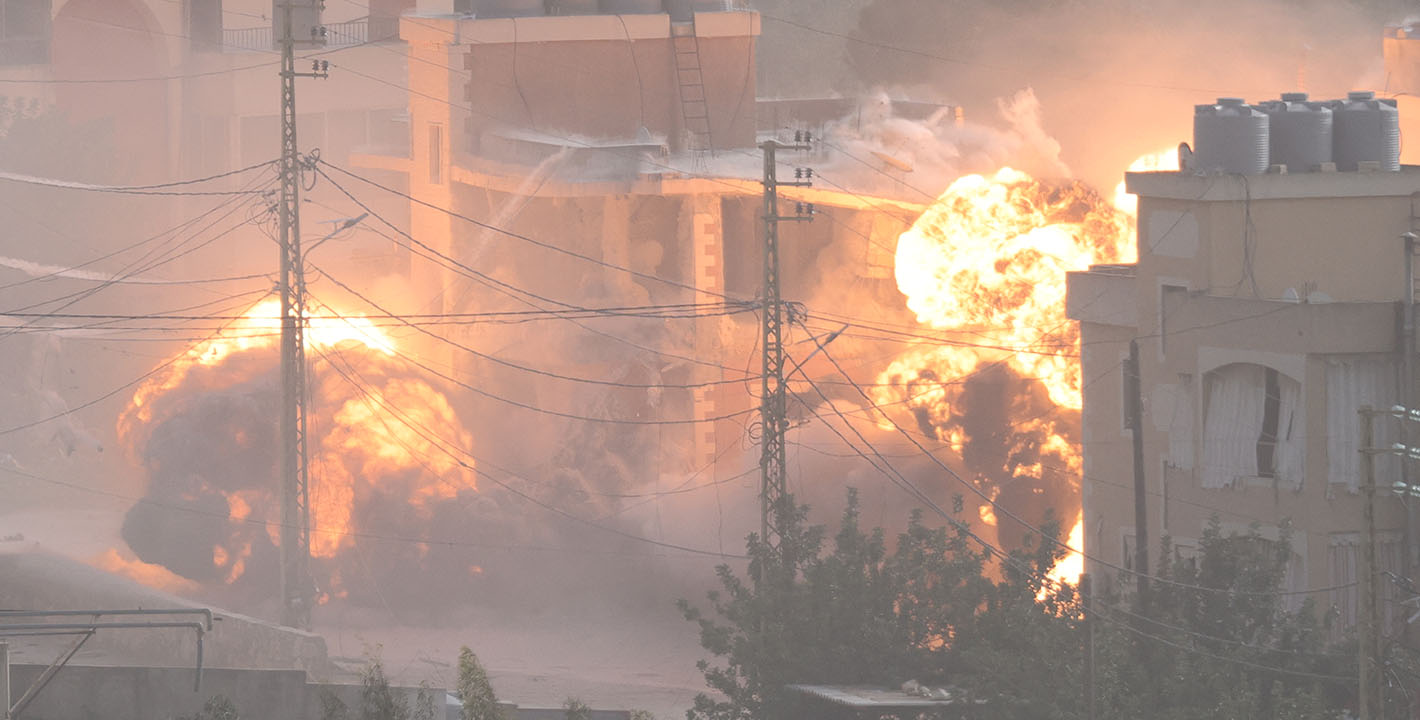
As Iran defends its interests in the region and its regime’s survival, it may push Hezbollah into the abyss.

Michael Young
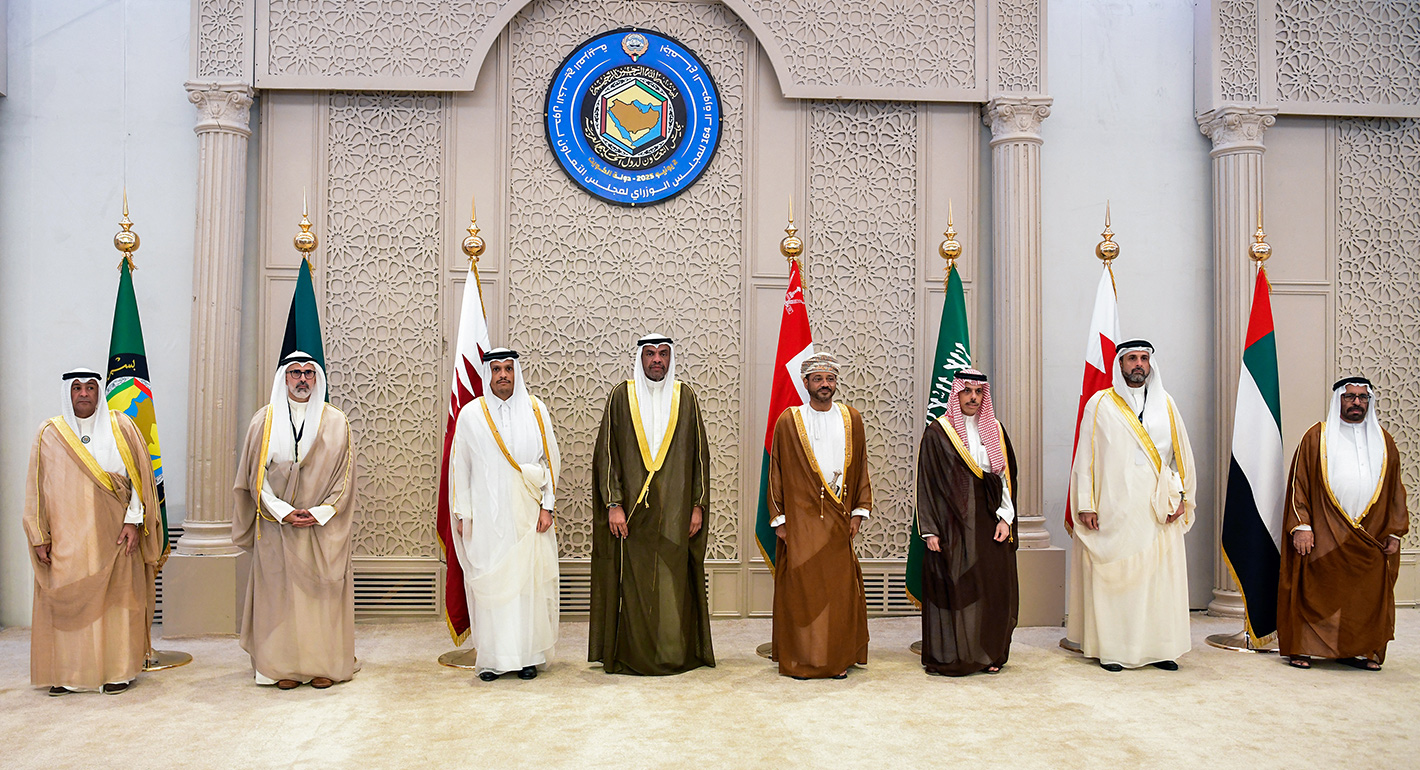
Without structural reform, the organization, which is racked by internal rivalries, risks sliding into irrelevance.

Hesham Alghannam
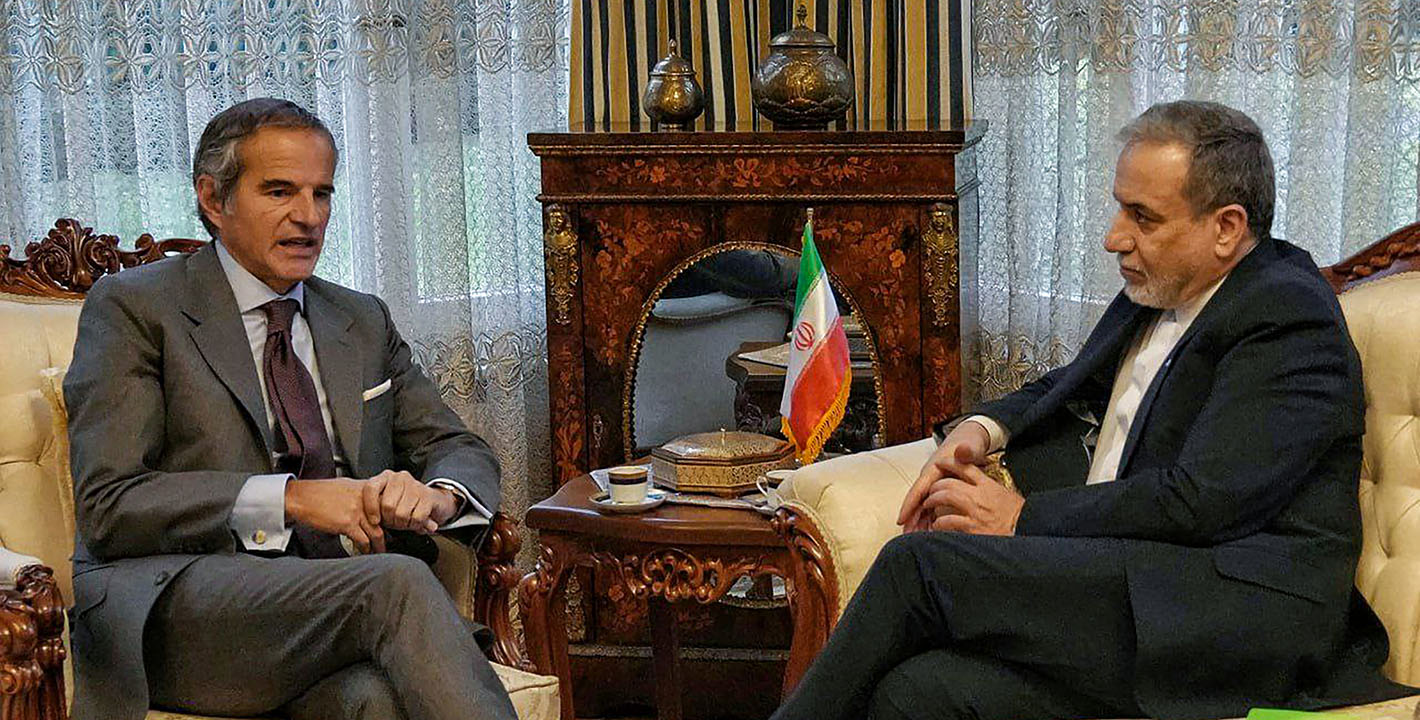
Because of this, the costs and risks of an attack merit far more public scrutiny than they are receiving.

Nicole Grajewski
The organization is under U.S. sanctions, caught between a need to change and a refusal to do so.
Mohamad Fawaz

A coalition of states is seeking to avert a U.S. attack, and Israel is in the forefront of their mind.
Michael Young