

Report
- +3
James M. Acton, Alexey Arbatov, Vladimir Dvorkin, …
{
  "authors": [
    "Petr Topychkanov"
  ],
  "type": "legacyinthemedia",
  "centerAffiliationAll": "",
  "centers": [
    "Carnegie Endowment for International Peace",
    "Malcolm H. Kerr Carnegie Middle East Center",
    "Carnegie Russia Eurasia Center"
  ],
  "collections": [],
  "englishNewsletterAll": "",
  "nonEnglishNewsletterAll": "",
  "primaryCenter": "Carnegie Russia Eurasia Center",
  "programAffiliation": "",
  "programs": [],
  "projects": [
    "Eurasia in Transition"
  ],
  "regions": [
    "Levant",
    "North America",
    "United States",
    "Middle East",
    "Syria",
    "Russia"
  ],
  "topics": [
    "Security",
    "Foreign Policy",
    "Global Governance"
  ]
}
Source: Getty
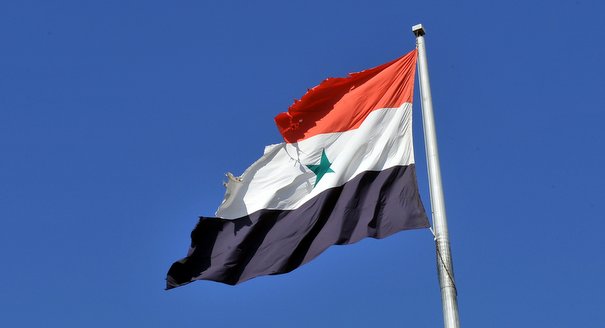
If the joint efforts of the United States and Russia in Syria are to succeed, they must attain a ceasefire between Bashar al-Assad’s armed forces and the opposition, and discover and destroy all chemical weapons in Syria.
Source: ABC’s RN Drive
The foreign ministers of France, Britain and the United States are in Paris to begin drafting a resolution on Syria's chemical weapons, which will then be put to the UN security council. Meanwhile, the UN Secretary-General, Ban Ki Moon, will release the long-awaited report of UN weapons inspectors into last month's deadly gas attack on a suburb of Damascus.
Speaking on ABC radio, Carnegie Moscow Center’s Petr Topychkanov explained that at the moment there are two important preconditions for the joint efforts of the United States and Russia to succeed. The first, very difficult, precondition is to attain ceasefire between Bashar al-Assad’s armed forces and the opposition. The second challenge is to discover and destroy all chemical weapons in Syria.In order to avoid possible U.S. suspicion over Russian intentions in Syria, Topychkanov expressed his belief that all operations leading to the elimination of Syria’s arsenal of chemical weapons will have to be undertaken in a transparent and verifiable manner and, most importantly, under UN auspices and in line with UN resolutions.
In case Syria does not accept all obligations and the UN conditions, Topychkanov said he does not see the prospects of U.S. intervention as likely, given U.S. budget constraints, human losses suffered in Iraq and Afghanistan, and Congress’ awareness of existing constraints and possible consequences of yet another intervention in the Middle East region.
Former Fellow, Nonproliferation Program, Moscow Center
Topychkanov was a fellow in the Carnegie Moscow Center’s Nonproliferation Program.
Recent Work

James M. Acton, Alexey Arbatov, Vladimir Dvorkin, …
Petr Topychkanov
Carnegie does not take institutional positions on public policy issues; the views represented herein are those of the author(s) and do not necessarily reflect the views of Carnegie, its staff, or its trustees.

By failing to address Palestinian representation, the current process is bound to lead to just another temporary arrangement.

Nathan J. Brown

Morocco and Algeria, each in its own way, are having to navigate the global economic fallout of the U.S.-Israeli military campaign against Iran.

Yasmine Zarhloule

There is a disturbing structural parallel between the old global energy economy and the new green transition.

Angie Omar
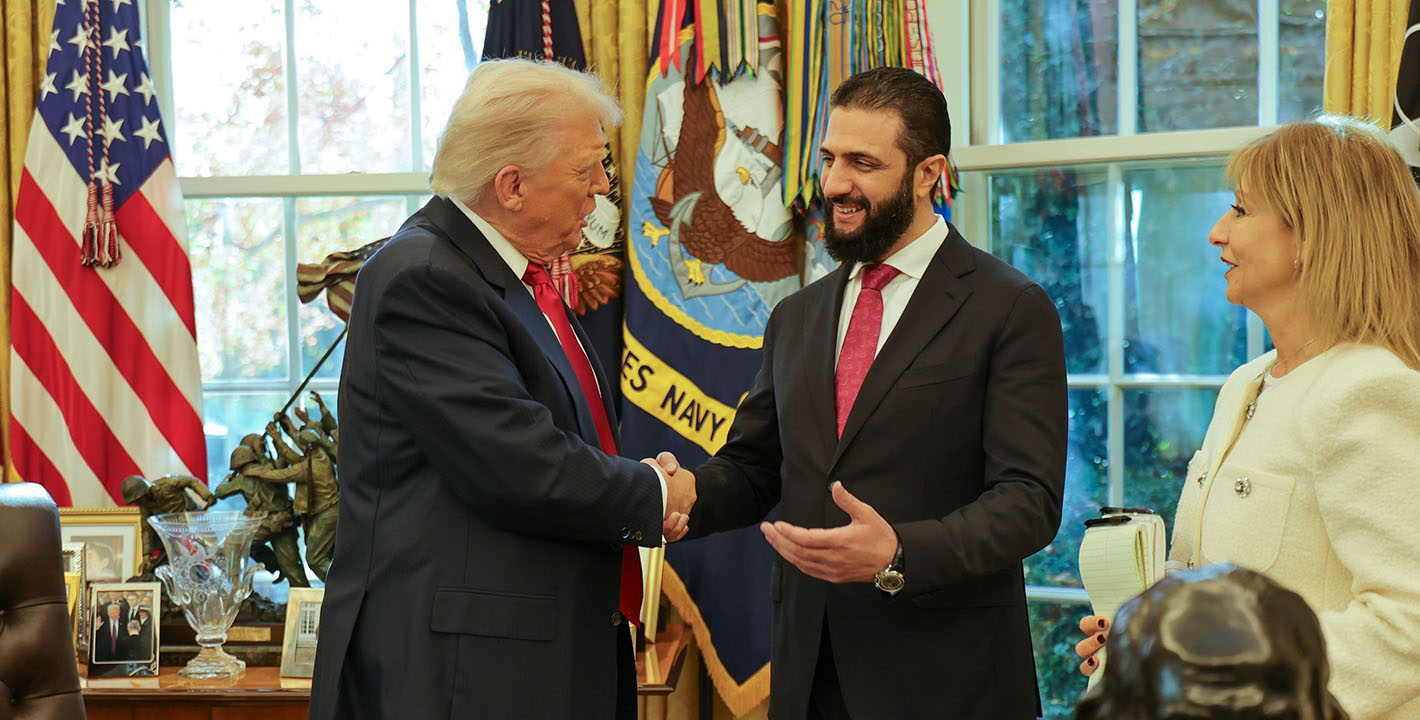
Any move by the United States to make good on Trump’s suggestion that Washington persuade Damascus to confront Hezbollah militarily would have catastrophic consequences.
Kheder Khaddour
As talks begin between Washington and Tehran, Beirut has an opening to advance a regional plan for the party’s disarmament.

Michael Young