


Report
- +3
James M. Acton, Alexey Arbatov, Vladimir Dvorkin, …
{
  "authors": [
    "Petr Topychkanov"
  ],
  "type": "legacyinthemedia",
  "centerAffiliationAll": "",
  "centers": [
    "Carnegie Endowment for International Peace",
    "Malcolm H. Kerr Carnegie Middle East Center",
    "Carnegie Russia Eurasia Center"
  ],
  "collections": [],
  "englishNewsletterAll": "",
  "nonEnglishNewsletterAll": "",
  "primaryCenter": "Carnegie Russia Eurasia Center",
  "programAffiliation": "",
  "programs": [],
  "projects": [
    "Eurasia in Transition"
  ],
  "regions": [
    "Levant",
    "Middle East",
    "Syria",
    "Russia"
  ],
  "topics": [
    "Security",
    "Foreign Policy",
    "Global Governance"
  ]
}
Source: Getty
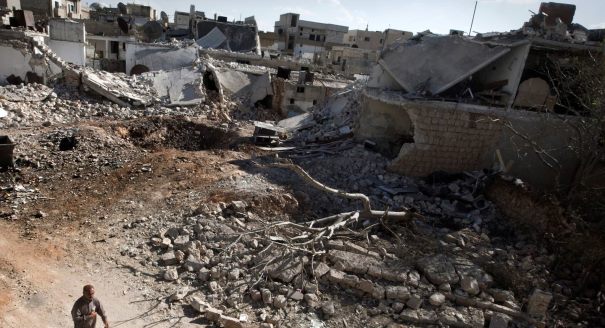
Although Putin’s statements have been seen as flexible rhetoric, Russia’s policy toward Syria has not changed.
Source: RFI's World News Explained
RFI spoke to Petr Topychkanov, an analyst at the Carnegie Moscow Center, who says Putin's comments are an about-turn from his previous rhetoric supporting Assad. However, despite Putin’s statements, which have been seen as pivoting and flexible rhetoric, Topychkanov maintained that Russia’s policy toward Syria has not changed.
Topychkanov said that the sticking point remains the evidence and confirmation of the use of chemical weapons by the Assad regime or possibly another party, information required by Russia prior to renewed engagement or an alternative course of action. Russia's influence, leadership, and continued support of Assad is a key determinate of the balance of power in the conflict, and as such will prove a major factor in its outcome. The primary juncture on the horizon remains the prospect of a unilateral strike, without UN approval, by the West against regime targets in Syria—this continues to be the main point of concern in relations between Putin's Russia and the West, Topychkanov concluded.
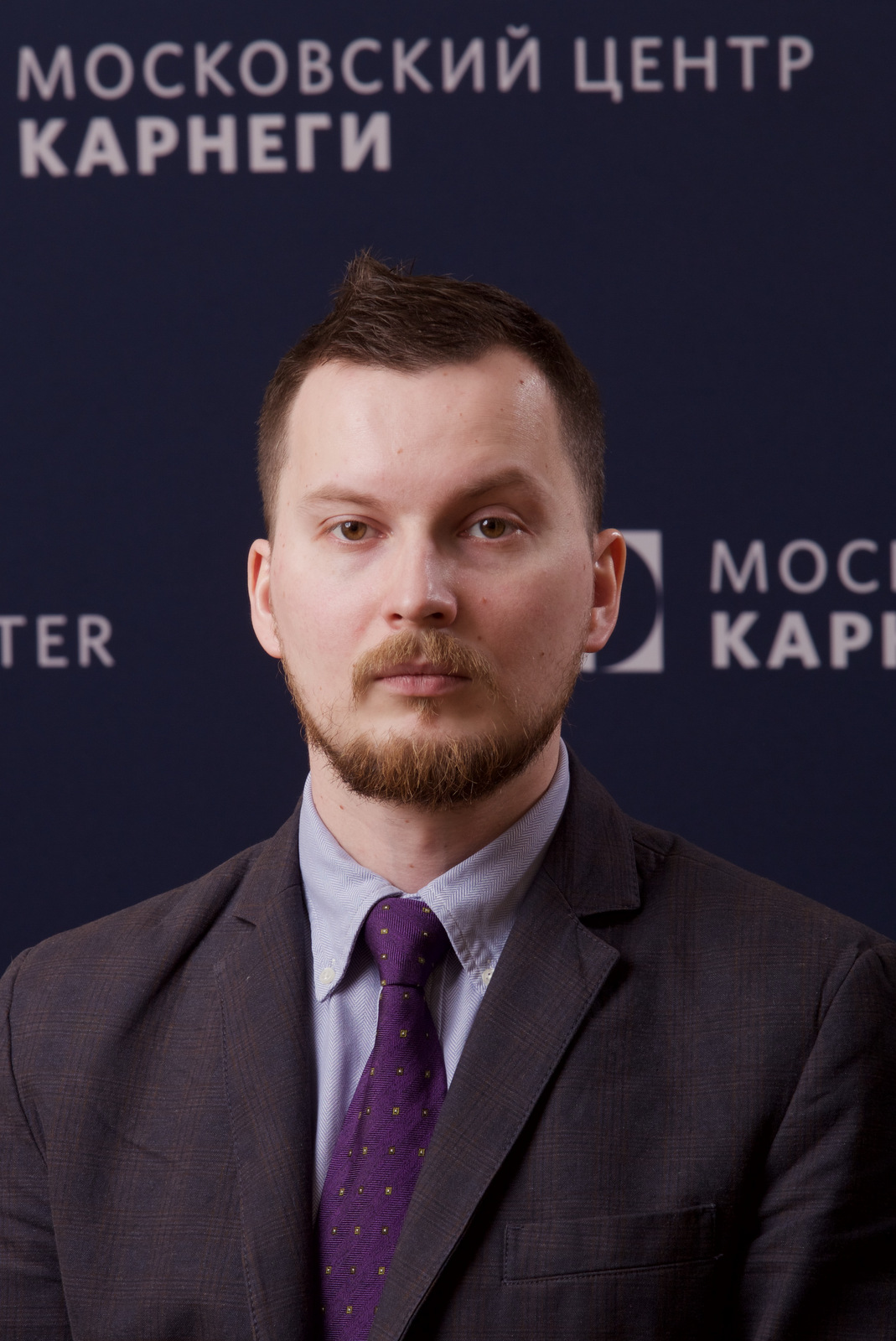
Former Fellow, Nonproliferation Program, Moscow Center
Topychkanov was a fellow in the Carnegie Moscow Center’s Nonproliferation Program.
Recent Work

James M. Acton, Alexey Arbatov, Vladimir Dvorkin, …
Petr Topychkanov
Carnegie does not take institutional positions on public policy issues; the views represented herein are those of the author(s) and do not necessarily reflect the views of Carnegie, its staff, or its trustees.

Huawei pushed hard to enter the Egyptian data centers market, until the Americans made a better offer.

Angie Omar

The accord represents a pivotal moment in the region to avert a security vacuum in the Gulf.


Azeema Cheema, Mohanad Hage Ali

In an interview, Jason Burke discusses his sweeping account of the “revolutionists” who so shaped the 1970s and early 1980s.

Michael Young
In an interview, Sohaib Jawhar analyzes the profound changes in the ties between the neighboring countries.
Michael Young

By failing to address Palestinian representation, the current process is bound to lead to just another temporary arrangement.

Nathan J. Brown