

Q&A
Dara Massicot, Aaron David Miller, Andrew S. Weiss
{
  "authors": [
    "Andrew S. Weiss"
  ],
  "type": "legacyinthemedia",
  "centerAffiliationAll": "dc",
  "centers": [
    "Carnegie Endowment for International Peace",
    "Malcolm H. Kerr Carnegie Middle East Center",
    "Carnegie Russia Eurasia Center"
  ],
  "collections": [],
  "englishNewsletterAll": "ctw",
  "nonEnglishNewsletterAll": "",
  "primaryCenter": "Carnegie Endowment for International Peace",
  "programAffiliation": "russia",
  "programs": [
    "Russia and Eurasia"
  ],
  "projects": [
    "Eurasia in Transition"
  ],
  "regions": [
    "North America",
    "United States",
    "Middle East",
    "Syria",
    "Russia",
    "Levant"
  ],
  "topics": [
    "Foreign Policy",
    "Global Governance"
  ]
}
Source: Getty
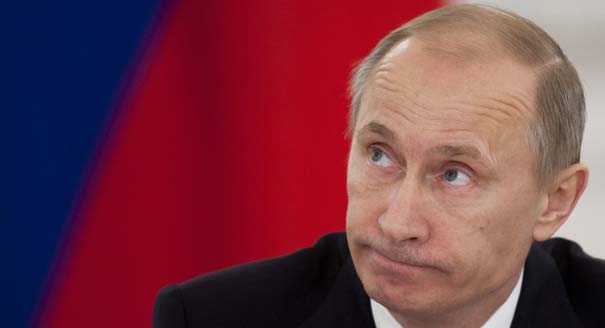
Russian President Vladimir Putin’s New York Times op-ed does not complicate international negotiations over Syria’s chemical weapons. Contrary to common perceptions, Putin is pragmatic and capable of making deals.
Source: Bloomberg TV
Speaking on Bloomberg TV’s Taking Stock, Carnegie’s Andrew Weiss said that Vladimir Putin’s op-ed in the New York Times does not complicate Secretary of State John Kerry’s negotions over Syria's chemical weapons, as President Putin and other Russian officials have previously made statements similar to the ones in the op-ed. More important than the op-ed, Weiss suggested, is the question of what Russian negotiators will sign on to and what Putin will realistically be able to get Bashar al-Assad to do regarding his chemical weapons. Weiss emphasized that, contrary to popular perception, Vladimir Putin is not a “Soviet retread,” but a pragmatic figure capable of cutting deals.
James Family Chair, Vice President for Studies
Andrew S. Weiss is the James Family Chair and vice president for studies at the Carnegie Endowment for International Peace, where he oversees research on Russia, Ukraine, and Eurasia. His graphic novel biography of Vladimir Putin, Accidental Czar: the Life and Lies of Vladimir Putin, was published by First Second/Macmillan in 2022.
Recent Work

Dara Massicot, Aaron David Miller, Andrew S. Weiss

Frances Z. Brown, Nate Reynolds, Priyal Singh, …
Carnegie does not take institutional positions on public policy issues; the views represented herein are those of the author(s) and do not necessarily reflect the views of Carnegie, its staff, or its trustees.
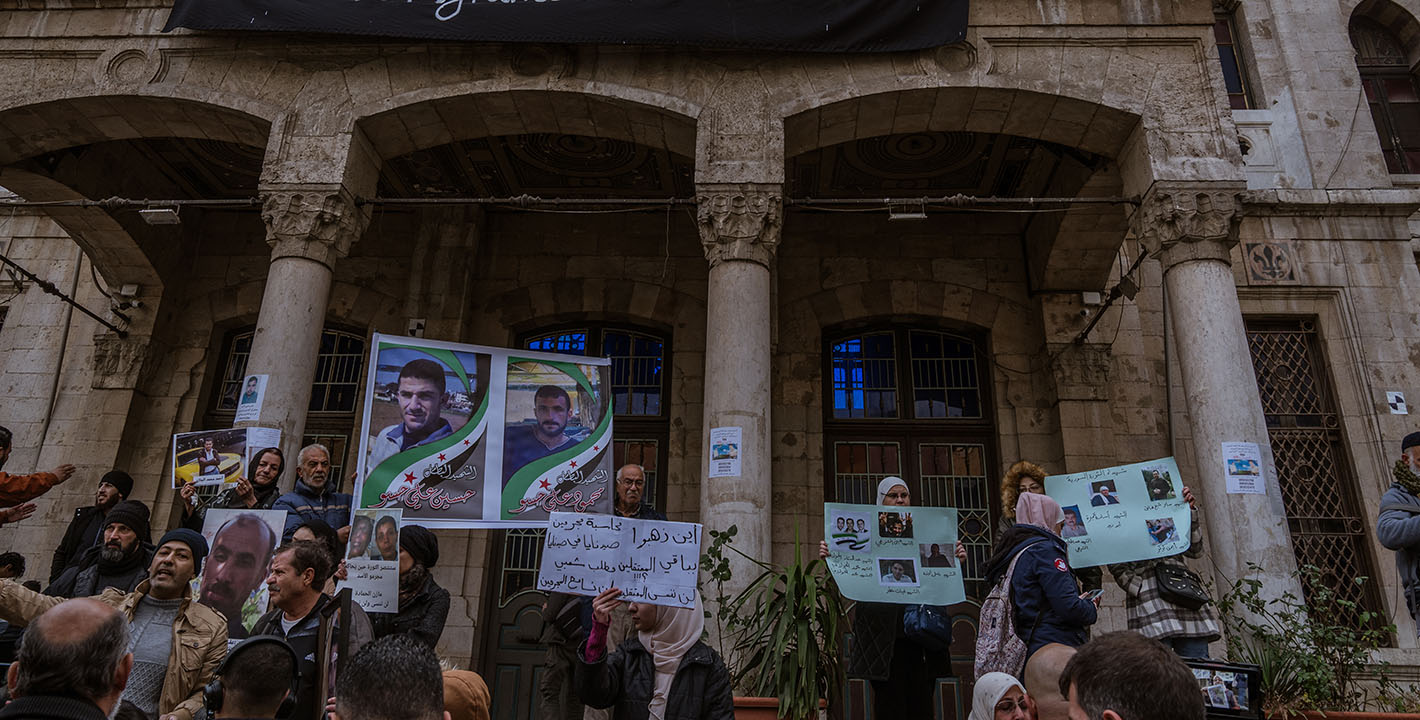
Reconciliation councils are emerging throughout the country to mediate in intracommunal disputes, many from the war years.
Natacha Danon

In an interview, Rozina Ali discusses her new book on the rise and manifestations of Islamophobia in the United States.

Michael Young
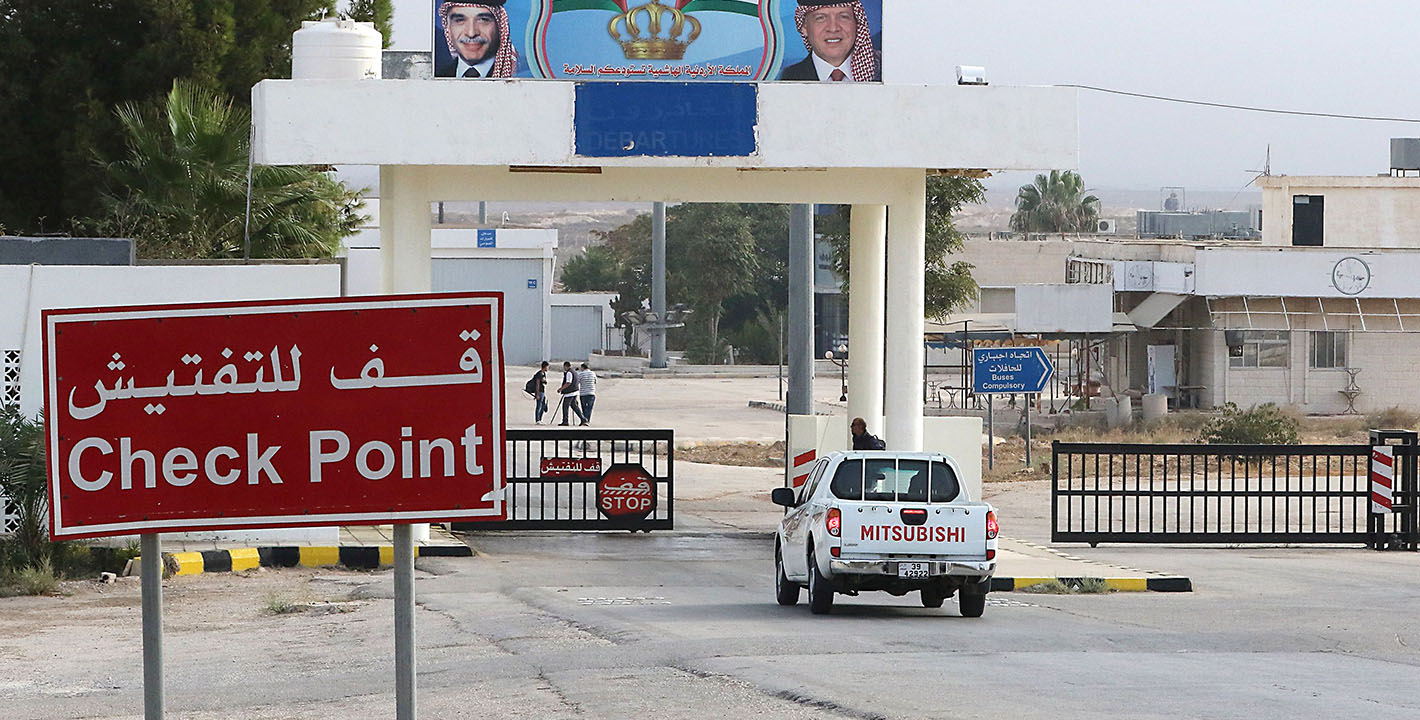
The civil war in Syria may have ended, but the country continues to serve as a source for the trafficking of illegal substances into and via Jordanian territory.

Armenak Tokmajyan, Laith Qerbaa
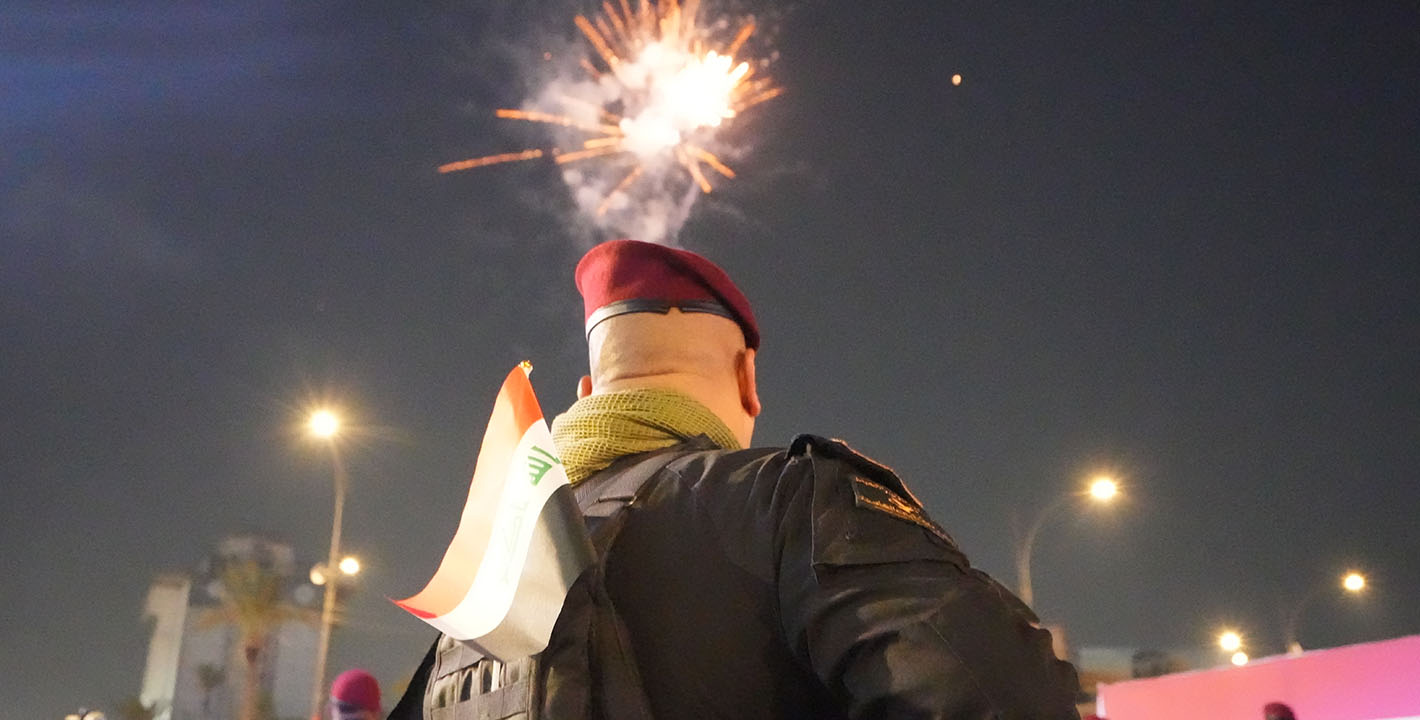
As the U.S.-led Coalition withdraws, the Kurds’ reliance on Baghdad, and on themselves, will only increase.
Wladimir van Wilgenburg

In an interview, Ian Lustick and Eli Clifton discuss their new book on why a prominent ally has so much influence in America.
Michael Young