

In The Media
Petr Topychkanov
{
  "authors": [
    "Petr Topychkanov"
  ],
  "type": "commentary",
  "centerAffiliationAll": "",
  "centers": [
    "Carnegie Endowment for International Peace",
    "Carnegie Russia Eurasia Center"
  ],
  "collections": [],
  "englishNewsletterAll": "",
  "nonEnglishNewsletterAll": "",
  "primaryCenter": "Carnegie Russia Eurasia Center",
  "programAffiliation": "",
  "programs": [],
  "projects": [
    "Eurasia in Transition"
  ],
  "regions": [
    "Middle East",
    "Iran",
    "Syria",
    "South Asia",
    "India",
    "Afghanistan",
    "Pakistan",
    "East Asia",
    "China",
    "Southeast Asia",
    "North Korea"
  ],
  "topics": [
    "Political Reform",
    "Security",
    "Global Governance",
    "Foreign Policy"
  ]
}
Source: Getty
There have been many events in Asia in 2013. But some of them stand to impact the most the global policy and security in 2014.
There have been many attempts to summarize results of 2013 in Asia. I would try to give you my own version of the events which stand to impact the most the global policy and security in 2014.
February 12: The media of North Korea informed the world that this country conducted a third underground nuclear test in Punggye-ri. Pyongyang demonstrated that the country’s new leader Kim Jong-un decided to adopt a hard line. This was proved later in December by the execution of his influential uncle Jang Song Thaek as a “traitor.”
March 14: China’s party leader Xi Jinping was elected state president. China’s foreign and defense policy became more active and aggressive to some extent, which resulted in the escalation of territorial disputes and the creation of the East China Sea Air Defense Identification Zone.
May 11: The general elections in Pakistan handed a victory to the Pakistan Muslim League and its President Nawaz Sharif, who became prime minister on June 5. In September, Pakistan elected a new president who could not, however, retain the powers of his predecessor Asif Ali Zardari, with Pakistan now having become a parliamentary republic again.
May-June: NSA contractor Edward Snowden fled to Hong Kong, where he stayed before his escape to Russia. “The Snowdengate” helped Russia to promote in the UN its draft resolution titled "Developments in the Field of Informatization and Telecommunications in the Context of International Security." Russia was supported by Brazil, China, and dozens of other UN member states. Disclosures by Snowden made Asian countries review their national standards of information security. Thus, India decided to ban using Google services by public officers.
June 14: The presidential elections in Iran handed victory to Hassan Rouhani, which meant the end of the Ahmadinejad era. President Rouhani demonstrated his readiness for a dialogue on a wide range of issue, including Afghanistan and, most important, Iran’s nuclear program.
September: The U.S. and Russia reached agreement in Geneva on the destruction of Syria’s chemical weapons. This can be a first step toward the stabilization of the situation in that country.
November: Typhoon Haiyan caused huge devastation in Philippines, South China, and Vietnam, and killed more than 6,100 people, mostly in the Philippines. The most powerful typhoon ever recorded demonstrated that natural disasters have become the toughest security challenge for the world.
November 24: Afghanistan’s Loya Jirga approved the U.S.-Afghan Security Agreement, but Hamid Karzai refused to sign it before the ratification by the Parliament. Without this agreement, the future of the presence of the U.S. and NATO troops in Afghanistan—and Western aid to Kabul—is still under question.
November 24: Iran and the P5+1 countries achieved an Interim Agreement on Iranian nuclear program, which became the first good news on this track in many years.
November 29: Raheel Shareef succeeded Ashfaq Pervaiz Kayani as Pakistan’s Chief of Army Staff. Kayani had been one of the most influential people in Asia. General Shareef will hardly have the same level of influence.
December 9: The Delhi Assembly elections handed a victory to the Bharatiya Janata Party and Aam Admi Party which meant a defeat for the Indian National Congress and Sheila Dikshit, who had been Delhi’s Chief Minister since 1998. This poll has demonstrated that the change of national government is very possible in India as a result of the general elections in 2014.
Former Fellow, Nonproliferation Program, Moscow Center
Topychkanov was a fellow in the Carnegie Moscow Center’s Nonproliferation Program.
Recent Work
Petr Topychkanov
Petr Topychkanov
Carnegie does not take institutional positions on public policy issues; the views represented herein are those of the author(s) and do not necessarily reflect the views of Carnegie, its staff, or its trustees.
In an interview, Elizabeth Thompson recalls how the country formulated a liberal constitution in 1920, before being denied by France and Britain.

Michael Young
This will be the region’s most representative tournament, amid broad changes in its footballing landscape.

Issam Kayssi
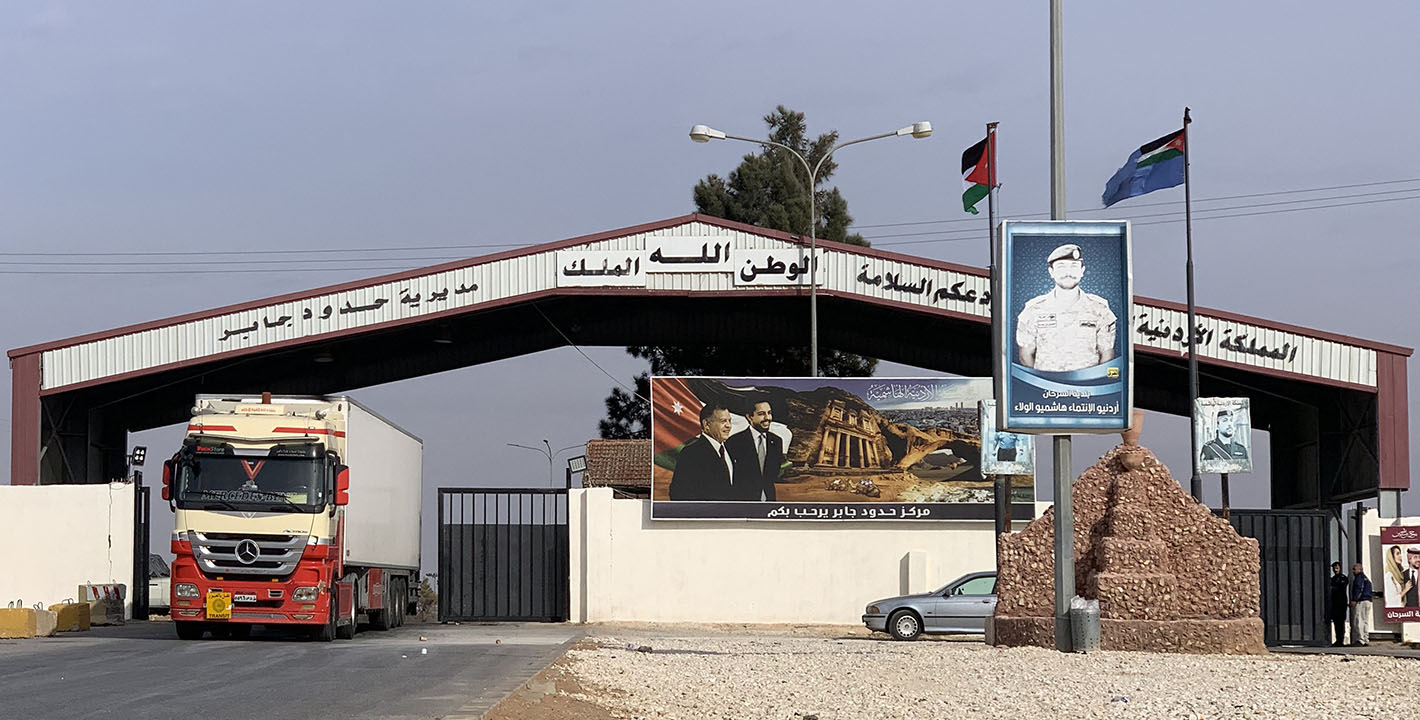
Trade statistics show why Amman has more reason than Damascus to welcome the improvement in bilateral commerce.

Armenak Tokmajyan
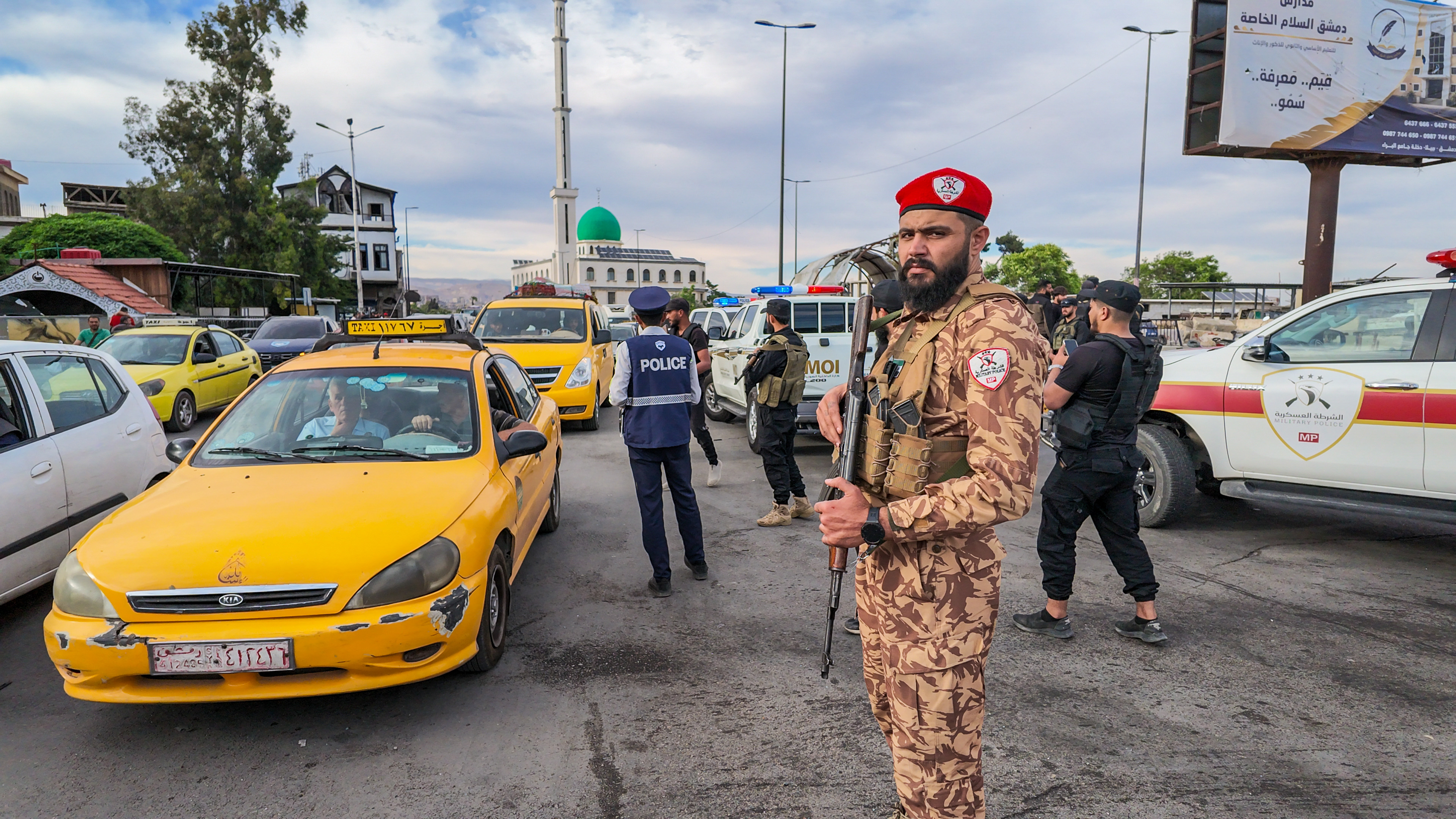
The country’s armed forces have been reorganized as an emergency measure to prevent national fragmentation, however their diffuse structure on the ground may, in the future, serve only to reinforce fragmentation.
Kheder Khaddour
In an interview, Marc Lynch discusses his new book decrying the post-1990 U.S.-dominated order in the Middle East.
Michael Young