

Article
Thomas de Waal
{
  "authors": [
    "Thomas de Waal"
  ],
  "type": "legacyinthemedia",
  "centerAffiliationAll": "dc",
  "centers": [
    "Carnegie Endowment for International Peace",
    "Carnegie Europe"
  ],
  "collections": [],
  "englishNewsletterAll": "ctw",
  "nonEnglishNewsletterAll": "",
  "primaryCenter": "Carnegie Europe",
  "programAffiliation": "russia",
  "programs": [
    "Russia and Eurasia"
  ],
  "projects": [],
  "regions": [
    "Russia"
  ],
  "topics": [
    "Security"
  ]
}
Source: Getty
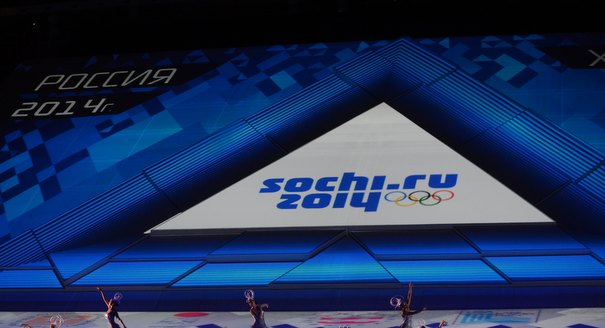
The Sochi Olympics may actually be one of the safest places in Russia, but terrorists could still affect the Olympics by carrying out an attack elsewhere.
Source: WBEZ
Speaking on WBEZ's Worldview, Carnegie's Tom de Waal stated that the Winter Olympics in Sochi may actually be one of the safest places in Russia due to the extensive security measures. The bigger problem is that terrorists can affect the Olympic Games by carrying out an attack near Sochi or even in another city, he said. He suggested that the threat of so-called "black widows," female suicide bombers, might be exagerated due to a Russian paranoia about this issue. He also cast doubt on the role of the Caucasus Emirate as an organization, suggesting that it would better to view the North Caucasus insurgency as many small groups of individuals.

Senior Fellow, Carnegie Europe
Thomas de Waal is a senior fellow at Carnegie Europe, specializing in Eastern Europe and the Caucasus.
Recent Work
Thomas de Waal
Thomas de Waal

Just look at Iraq in 1991.

Marwan Muasher

Baku may allow radical nationalists to publicly discuss “reunification” with Azeri Iranians, but the president and key officials prefer not to comment publicly on the protests in Iran.

Bashir Kitachaev
The country’s leadership is increasingly uneasy about multiple challenges from the Levant to the South Caucasus.

Armenak Tokmajyan
In an interview, Daniela Richterova speaks about her book on Czechoslovakia’s Cold War ties to Palestinian groups and others.

Michael Young
In addressing Hezbollah’s disarmament, the Lebanese state must start by increasing its own leverage.
Michael Young