

Q&A
- +1
Amr Hamzawy, Andrew Leber, Eric Lob, …
{
  "authors": [
    "Marwan Muasher"
  ],
  "type": "legacyinthemedia",
  "centerAffiliationAll": "dc",
  "centers": [
    "Carnegie Endowment for International Peace",
    "Malcolm H. Kerr Carnegie Middle East Center"
  ],
  "collections": [
    "Arab Awakening"
  ],
  "englishNewsletterAll": "menaTransitions",
  "nonEnglishNewsletterAll": "",
  "primaryCenter": "Carnegie Endowment for International Peace",
  "programAffiliation": "MEP",
  "programs": [
    "Middle East"
  ],
  "projects": [],
  "regions": [
    "Middle East",
    "North Africa",
    "Egypt",
    "Gulf",
    "Levant",
    "Maghreb"
  ],
  "topics": [
    "Political Reform",
    "Democracy"
  ]
}
Source: Getty
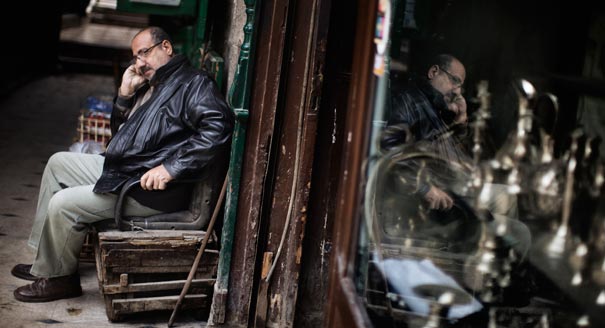
Pluralism is a necessary precondition for people to move towards inclusive, democratic societies that will tolerate different points of views and lay the groundwork for prosperity and stability.
Source: KQED Radio
“I think the Arab world has been living in an era of artificially induced stability… stability that was brought about by closing the political space,” said Carnegie’s Marwan Muasher, speaking on KQED Radio. “Now that the lid has been lifted, naturally we’re not going to see this transformation and historical process unfold in a short three years.” Speaking about his new book, The Second Arab Awakening and the Battle for Pluralism, Muasher argued that the current process underway in the Arab world will not unfold linearly, smoothly, or quickly, and depending on the circumstances, different countries will have different results because the Arab world is not monolithic.
“Without people adopting pluralism as the operating system, they’ll have no chance at arriving at a stable society,” Muasher explained. Pluralism is a necessary precondition for people to move towards inclusive societies that will tolerate different points of views and lay the groundwork for prosperity and stability, he said. “There are no shortcuts to democracy. Democracy is not going to emerge overnight just because authoritarian governments have been deposed. There are prerequisites to democratic cultures,” Muasher maintained, and while institutions that ensure democractic societies must be put in place, the transformation will take decades.

Vice President for Studies
Marwan Muasher is vice president for studies at Carnegie, where he oversees research in Washington and Beirut on the Middle East. Muasher served as foreign minister (2002–2004) and deputy prime minister (2004–2005) of Jordan, and his career has spanned the areas of diplomacy, development, civil society, and communications.
Recent Work



Amr Hamzawy, Andrew Leber, Eric Lob, …
Marwan Muasher
Carnegie does not take institutional positions on public policy issues; the views represented herein are those of the author(s) and do not necessarily reflect the views of Carnegie, its staff, or its trustees.
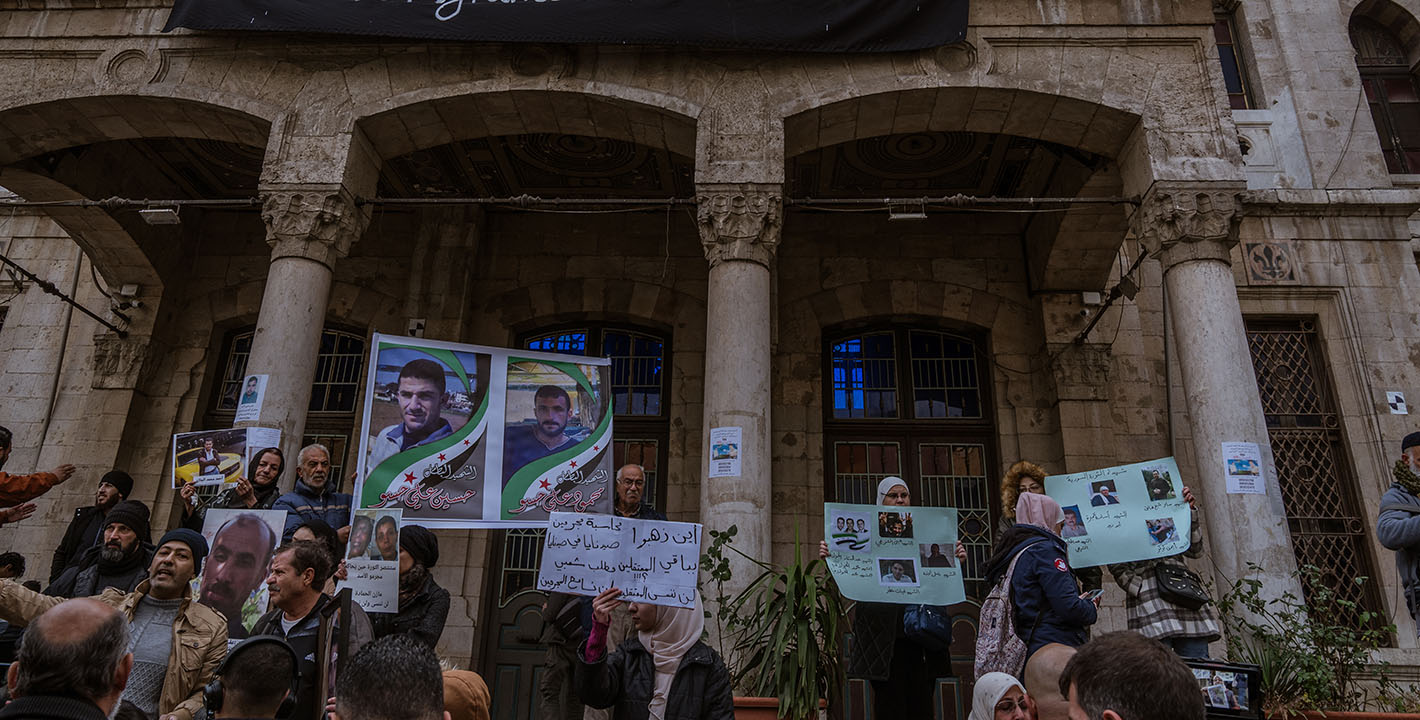
Reconciliation councils are emerging throughout the country to mediate in intracommunal disputes, many from the war years.
Natacha Danon
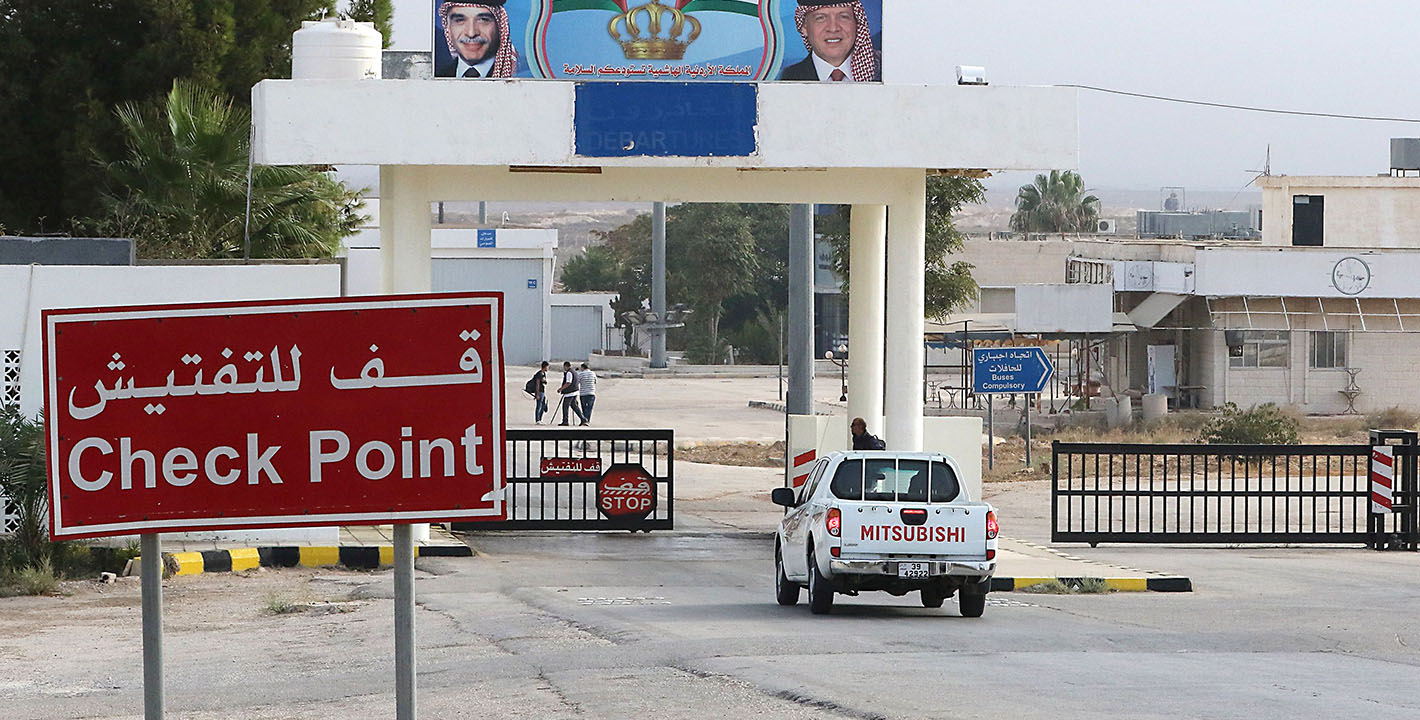
The civil war in Syria may have ended, but the country continues to serve as a source for the trafficking of illegal substances into and via Jordanian territory.

Armenak Tokmajyan, Laith Qerbaa
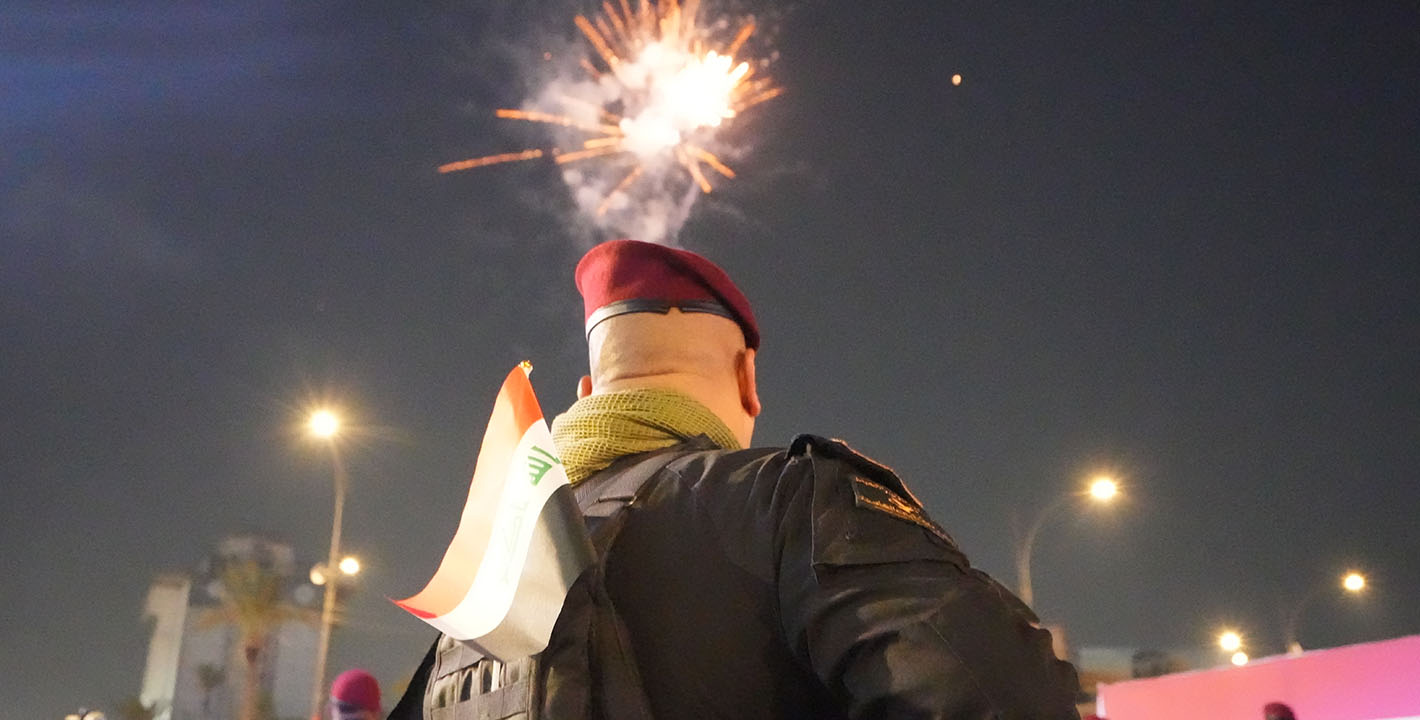
As the U.S.-led Coalition withdraws, the Kurds’ reliance on Baghdad, and on themselves, will only increase.
Wladimir van Wilgenburg

As the U.S. stumbles in its war with Iran, we are likely to see an acceleration of its disengagement from the region.

Michael Young
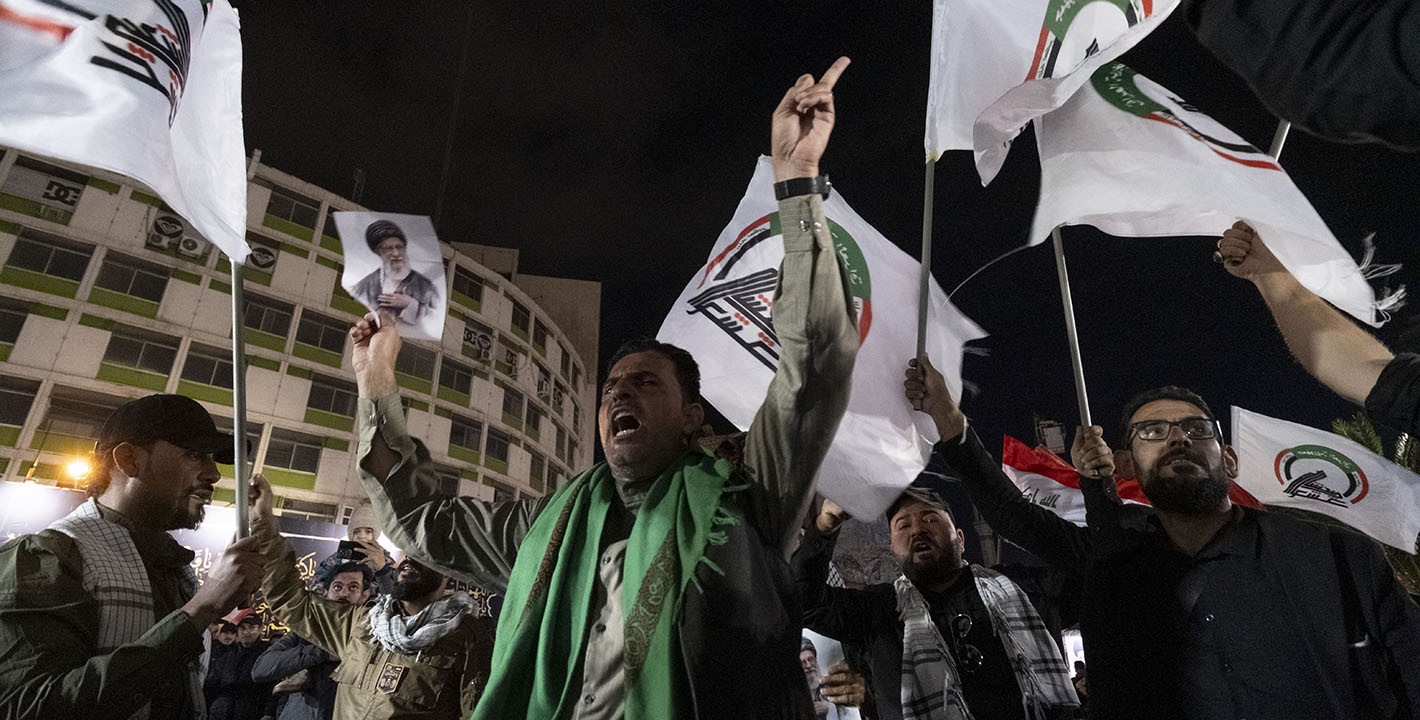
The Zaidi government’s objective to collect weapons is constrained by regional conflict, but it can take certain measures at home.
Ali Al-Mawlawi