

Q&A
Eugene Rumer
{
  "authors": [
    "Eugene Rumer"
  ],
  "type": "commentary",
  "centerAffiliationAll": "",
  "centers": [
    "Carnegie Endowment for International Peace",
    "Carnegie Russia Eurasia Center"
  ],
  "collections": [],
  "englishNewsletterAll": "",
  "nonEnglishNewsletterAll": "",
  "primaryCenter": "Carnegie Endowment for International Peace",
  "programAffiliation": "",
  "programs": [],
  "projects": [],
  "regions": [
    "Eastern Europe",
    "Ukraine"
  ],
  "topics": [
    "Political Reform",
    "Security"
  ]
}
Source: Getty
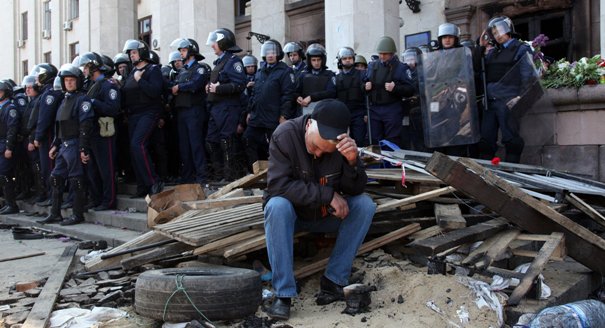
During the horrific events in Odessa, local police stood idly by as violence around them escalated. Police reform in Ukraine is crucially important, but nobody knows how to create honest and professional law enforcement in a thoroughly corrupt state.
One of the most striking aspects of the horrific events in Odessa was the image of local police standing idly by as violence around them escalated. Several photographs show unidentified—some have alleged pro-Russian, but who knows?—gunmen firing at their opponents from behind the police cordon, and police officers looking away as if nothing happened. Any normal person will ask, “how is it possible?” But anyone who knows anything about Ukraine will probably ask, “how can it be otherwise?”
Why should it be different in Ukraine’s major port city, where criminal traditions and trade in contraband goods have been a staple of everyday life since the days of Isaak Babel’s “Odessa Tales,” and local thieves and local police have long learned to co-exist as partners? Why should it be different in a country where a government post or a political office is merely a tool of personal enrichment, where the venality of police and law enforcement in general is commonly accepted as a fact of life, where a former president was implicated in an abduction and murder of an opposition journalist, and where a change of government—revolutionary or otherwise—has long meant only that a different team would have the opportunity to steal? Why expect Ukrainian police and law enforcement to be loyal now to the new government when it looks conspicuously like the old government, when the leading contenders in the May 25 presidential election are two politicians of the old school—Petro Poroshenko and Yulia Tymoshenko?
There are many lessons to be learned from this tragedy and from the events of the past six months in Ukraine. One of them is that police reform is just as, if not more important, than military reform. If only Ukraine had competent and professional law enforcement, the lives lost on the Maidan could have been spared, the turmoil in Eastern Ukraine could have been avoided, and who knows what else could have been. That said, nobody has figured out yet how to create honest and professional law enforcement in a thoroughly corrupt state.
Director and Senior Fellow, Russia and Eurasia Program
Rumer, a former national intelligence officer for Russia and Eurasia at the U.S. National Intelligence Council, is a senior fellow and the director of Carnegie’s Russia and Eurasia Program.
Recent Work
Eugene Rumer
Eugene Rumer
Carnegie does not take institutional positions on public policy issues; the views represented herein are those of the author(s) and do not necessarily reflect the views of Carnegie, its staff, or its trustees.
Just look at Iraq in 1991.
Marwan Muasher
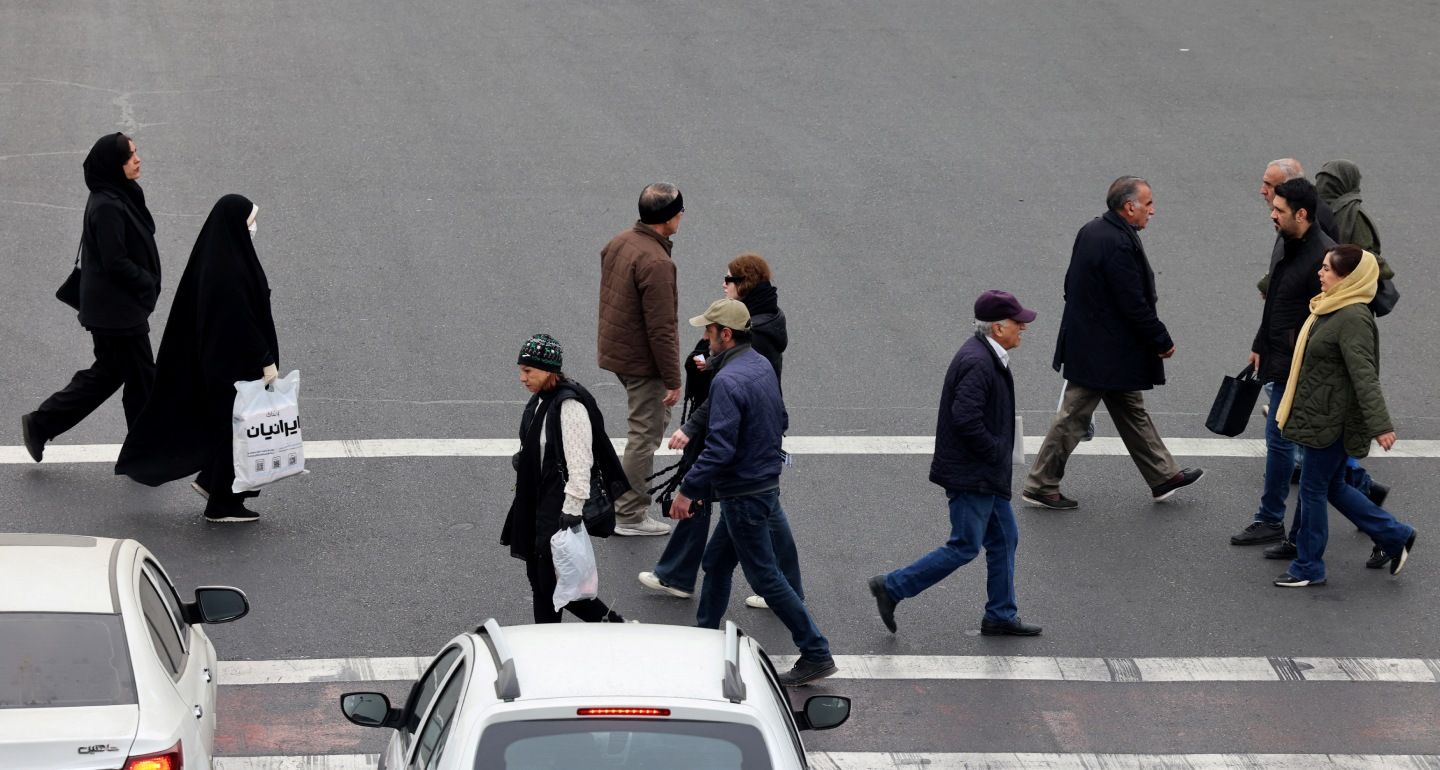
Baku may allow radical nationalists to publicly discuss “reunification” with Azeri Iranians, but the president and key officials prefer not to comment publicly on the protests in Iran.

Bashir Kitachaev
In addressing Hezbollah’s disarmament, the Lebanese state must start by increasing its own leverage.
Michael Young
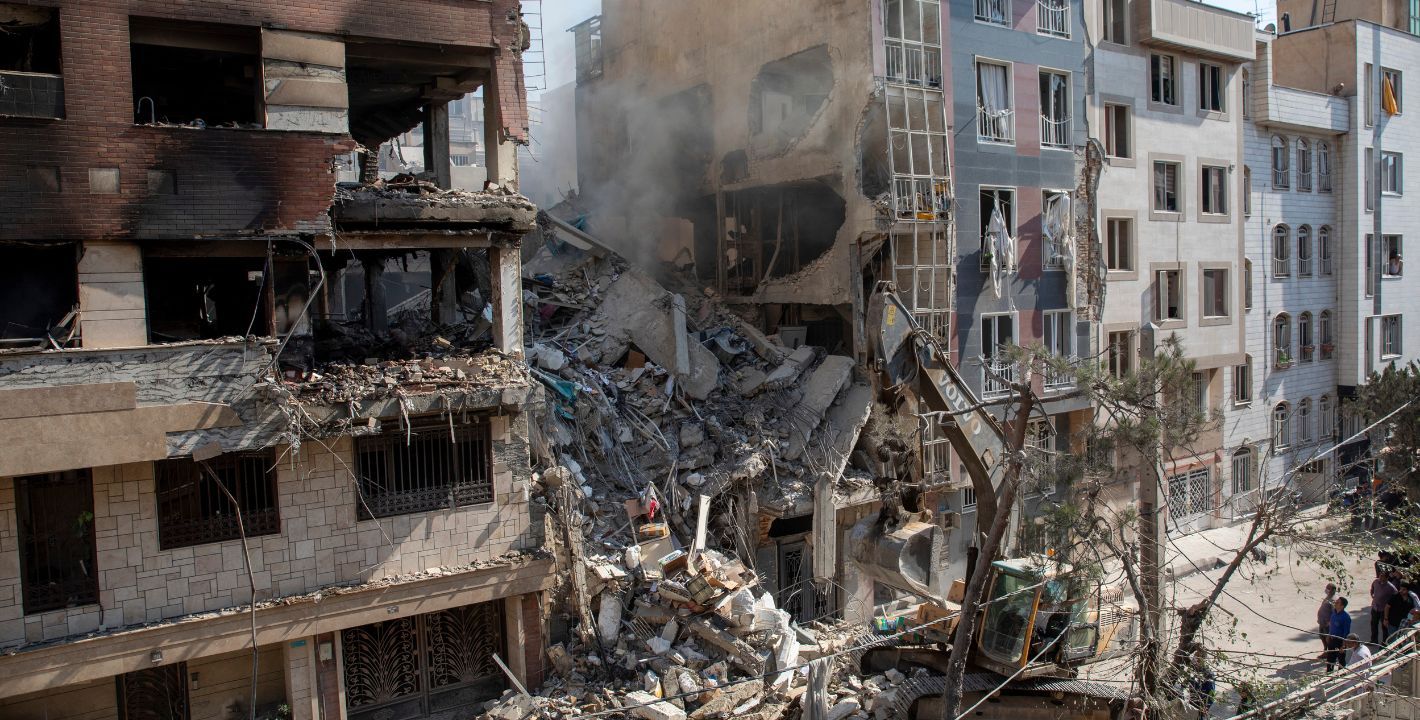
The country’s political and military establishment is still debating how to interpret the recent war’s outcome.

Nicole Grajewski
Spot analysis from Carnegie scholars on events relating to the Middle East and North Africa.
Mohanad Hage Ali