

Commentary
Frederic Wehrey, Charles H. Johnson
{
  "authors": [
    "Frederic Wehrey"
  ],
  "type": "legacyinthemedia",
  "centerAffiliationAll": "dc",
  "centers": [
    "Carnegie Endowment for International Peace"
  ],
  "collections": [],
  "englishNewsletterAll": "menaTransitions",
  "nonEnglishNewsletterAll": "",
  "primaryCenter": "Carnegie Endowment for International Peace",
  "programAffiliation": "MEP",
  "programs": [
    "Middle East"
  ],
  "projects": [],
  "regions": [
    "Middle East",
    "Iraq",
    "Syria"
  ],
  "topics": [
    "Security",
    "Foreign Policy"
  ]
}
Source: Getty
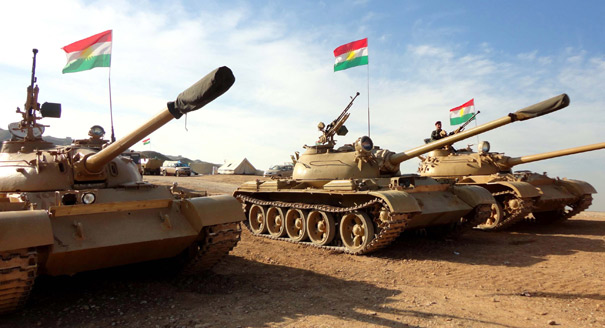
Kobani is a town of incredible significance for the Syrian and Turkish Kurds, but looking at its strategic significance to U.S. strategy, it appears secondary.
Source: WHYY Radio Times
Speaking to WHYY Radio Times, Carnegie’s Frederic Wehrey said that the Islamic State controls a lot of territory in Iraq and Syria because of a combination of their own proficiency and the disarray of their opponents. This group has been in operation in different permutations for quite a while, he continued, and has built up a cadre of expertise. They benefit from massive defections of former Iraqi army officers and have captured advances weaponry, armored vehicles, and artillery. But more importantly, they’ve tapped into the grievances of the population where they’ve come in, specifically with the Sunnis in Western Iraq, Wehrey argued.
Kobani is a town of incredible significance for the Syrian and Turkish Kurds, he said, but looking at its strategic significance to U.S. strategy, it appears secondary. A lot of U.S. efforts are being poured into defeating and degrading ISIS in Iraq. “The fall of Kobani would have significant political affects for what’s happening inside Turkey, with Turkey’s problems with its own Kurdish population, with the PKK,” Wehrey contended. The principle concern among the Arab states that have joined the coalition against the Islamic State is that attacking it will basically create a vacuum that will benefit the Syrian regime of Bashar al-Assad.
Senior Fellow, Middle East Program
Frederic Wehrey is a senior fellow in the Middle East Program at the Carnegie Endowment for International Peace, where his research focuses on governance, conflict, and security in Libya, North Africa, and the Persian Gulf.
Recent Work
Frederic Wehrey, Charles H. Johnson

Frances Z. Brown, Nate Reynolds, Priyal Singh, …
Carnegie does not take institutional positions on public policy issues; the views represented herein are those of the author(s) and do not necessarily reflect the views of Carnegie, its staff, or its trustees.
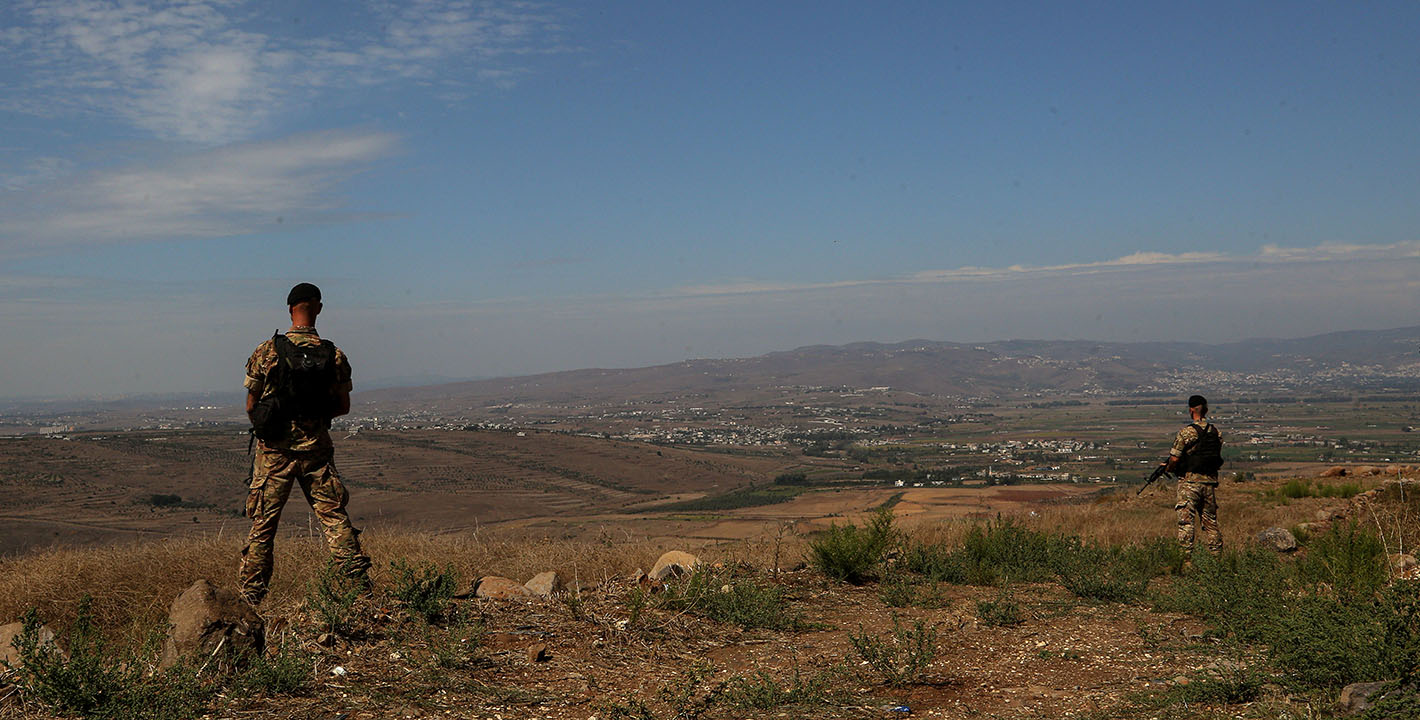
The Lebanese authorities’ clampdown on illicit cross-border activity threatens to leave inhabitants of the historically neglected village, and the wider Akkar region, in an economically precarious position.

Mohanad Hage Ali
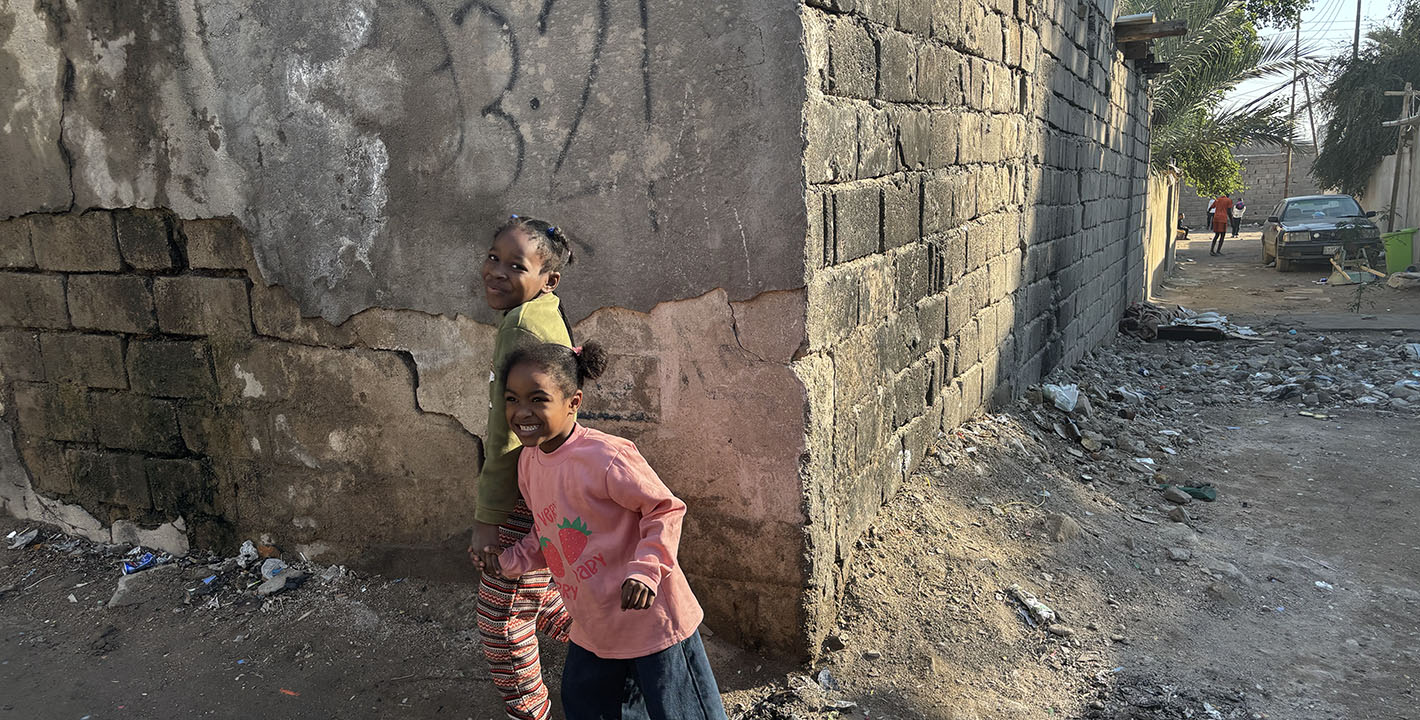
Afro-Iraqis experience political, economic, and social marginalization and discrimination, which exposes the poorest members of the community to the harsh realities of the region’s climate disaster.
Zeinab Shuker
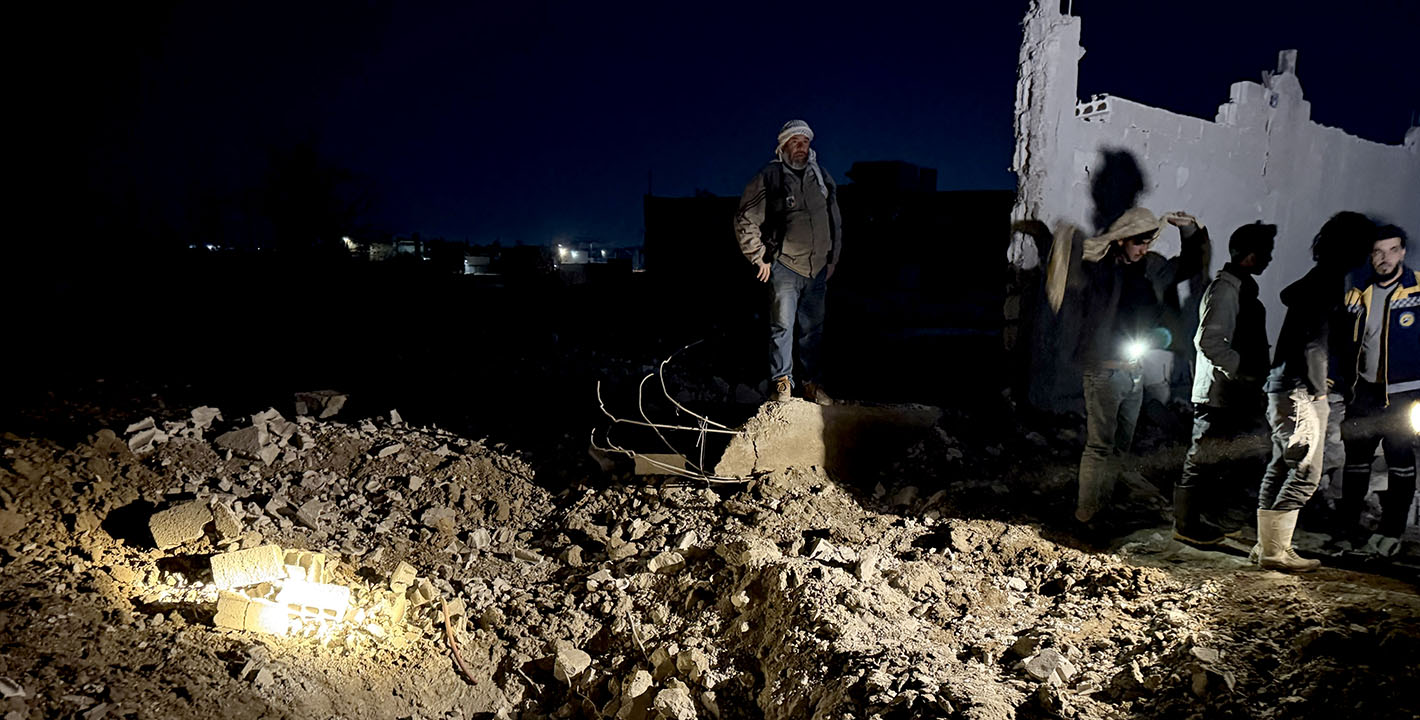
In an interview, Kheder Khaddour explains that Damascus is trying to stabilize its borders, but avoiding war isn’t guaranteed.

Michael Young

Just look at Iraq in 1991.

Marwan Muasher
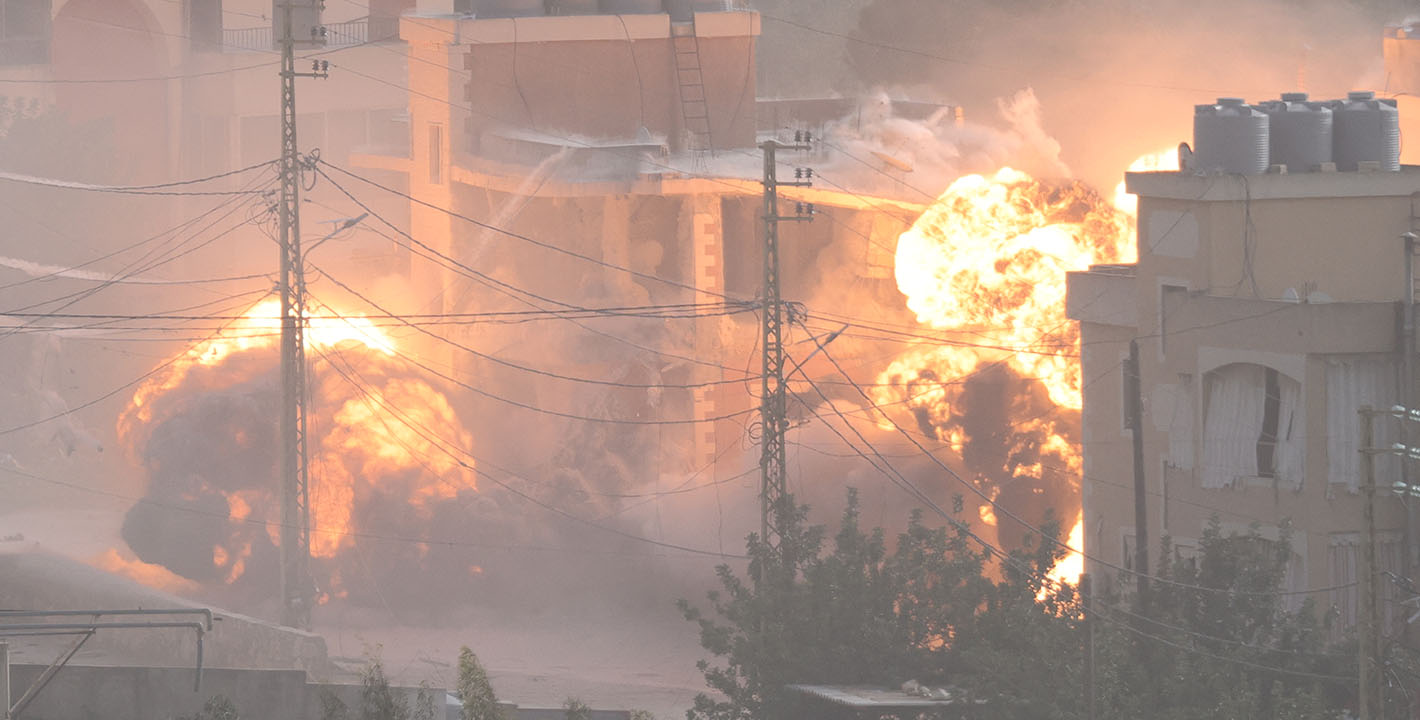
As Iran defends its interests in the region and its regime’s survival, it may push Hezbollah into the abyss.
Michael Young