

Research
- +10
Rosa Balfour, Frances Z. Brown, Yasmine Farouk, …
{
  "authors": [
    "Moisés Naím"
  ],
  "type": "legacyinthemedia",
  "centerAffiliationAll": "",
  "centers": [
    "Carnegie Endowment for International Peace"
  ],
  "collections": [
    "Arab Awakening",
    "Inside Russia"
  ],
  "englishNewsletterAll": "",
  "nonEnglishNewsletterAll": "",
  "primaryCenter": "Carnegie Endowment for International Peace",
  "programAffiliation": "",
  "programs": [],
  "projects": [],
  "regions": [
    "North America",
    "United States",
    "Middle East",
    "North Africa",
    "South Asia",
    "East Asia",
    "Russia",
    "Eastern Europe",
    "Western Europe",
    "United Kingdom"
  ],
  "topics": [
    "Political Reform",
    "Democracy",
    "Economy",
    "Climate Change",
    "Foreign Policy",
    "Civil Society"
  ]
}
Source: Getty
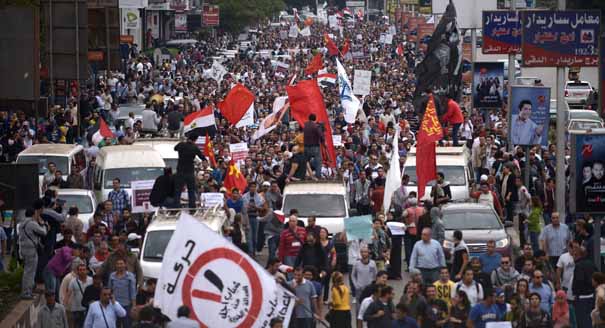
Power in the twenty-first century is a less concrete asset than it once was.
Source: WNYC’s Takeaway
Moisés Naím has worked as Venezuela's trade and industry minister, as well as editor-in-chief of Foreign Policy magazine, and those experiences have led him to conclude that power just isn't what it used to be.
Naím is the author of the book, The End of Power, which shot to fame after it was selected by Facebook Founder Mark Zuckerberg for his new book club.In this broadcast, Moisés Naím joins The Takeaway to discuss his book and his own experience of power, and what he hopes the Facebook CEO and his fans will take from his work.

Distinguished Fellow
Moisés Naím is a distinguished fellow at the Carnegie Endowment for International Peace, a best-selling author, and an internationally syndicated columnist.
Recent Work



Rosa Balfour, Frances Z. Brown, Yasmine Farouk, …
Moisés Naím
Carnegie does not take institutional positions on public policy issues; the views represented herein are those of the author(s) and do not necessarily reflect the views of Carnegie, its staff, or its trustees.

As the U.S. stumbles in its war with Iran, we are likely to see an acceleration of its disengagement from the region.

Michael Young
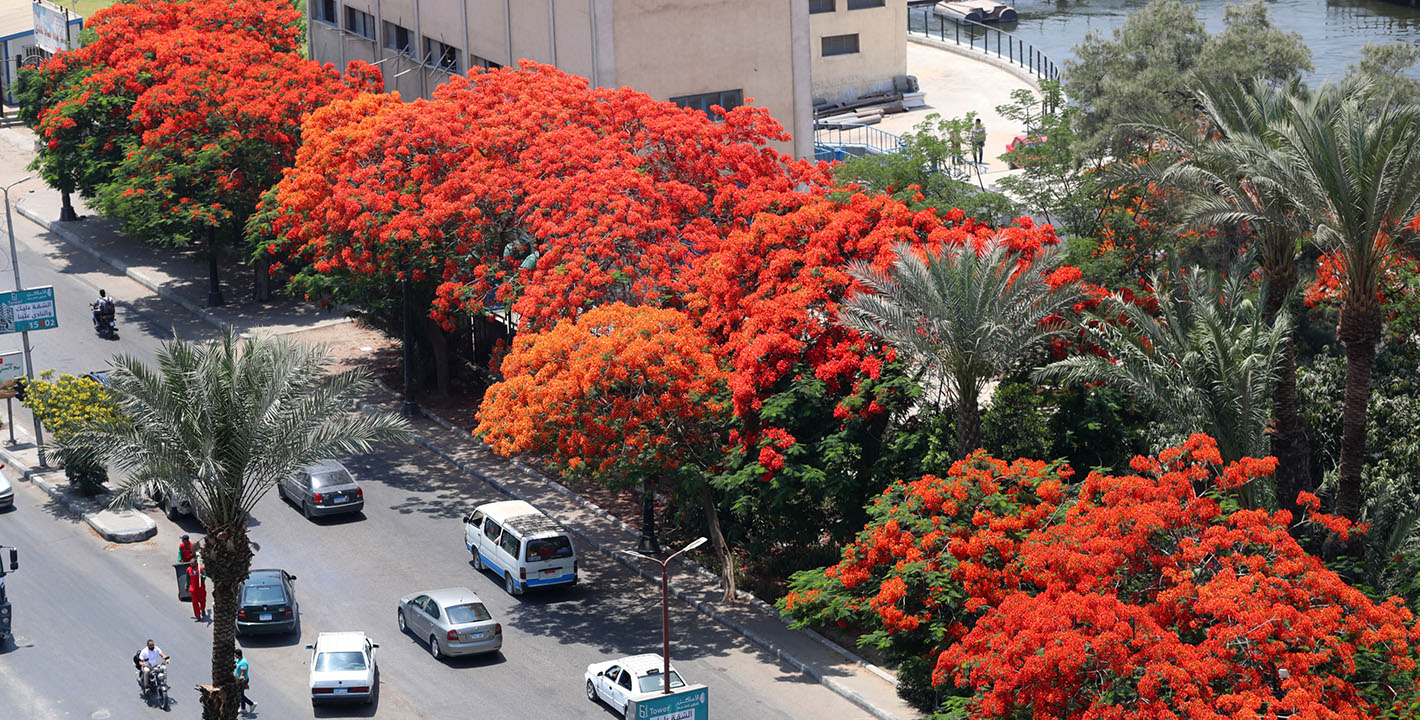
In Egypt’s dense cities, the disappearance of foliage has health implications and punishes daily commuters.

Angie Omar

Huawei pushed hard to enter the Egyptian data centers market, until the Americans made a better offer.
Angie Omar

Middle Eastern states should welcome an accelerated U.S. disengagement from their region.
Michael Young

In an interview, former ambassador Charles Freeman assesses the Trump administration’s war against Iran.
Michael Young