

Commentary
Sarah Chayes
{
  "authors": [
    "Sarah Chayes"
  ],
  "type": "legacyinthemedia",
  "centerAffiliationAll": "dc",
  "centers": [
    "Carnegie Endowment for International Peace"
  ],
  "collections": [
    "Anti-Corruption"
  ],
  "englishNewsletterAll": "democracy",
  "nonEnglishNewsletterAll": "",
  "primaryCenter": "Carnegie Endowment for International Peace",
  "programAffiliation": "DCG",
  "programs": [
    "Democracy, Conflict, and Governance"
  ],
  "projects": [],
  "regions": [
    "North America",
    "Middle East",
    "Iraq",
    "South Asia",
    "Afghanistan",
    "Central Asia",
    "Uzbekistan"
  ],
  "topics": [
    "Democracy"
  ]
}
Source: Getty
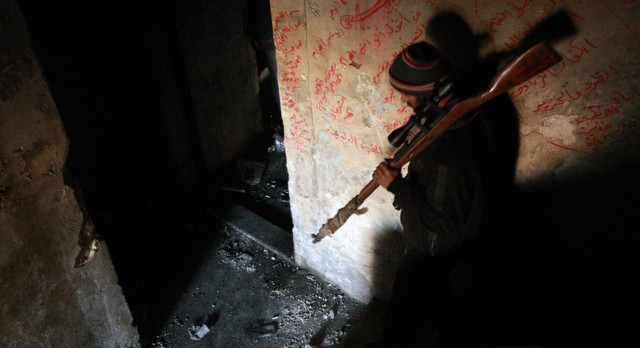
Governmental corruption often sparks outrage and creates support for dangerous ideologies.
Source: KCRW’s To the Point
Sarah Chayes explains why many of the world's conflicts raging today do not stem from religious extremism. There's another side to that story: government corruption.
Former Senior Fellow, Democracy, Conflict, and Governance Program
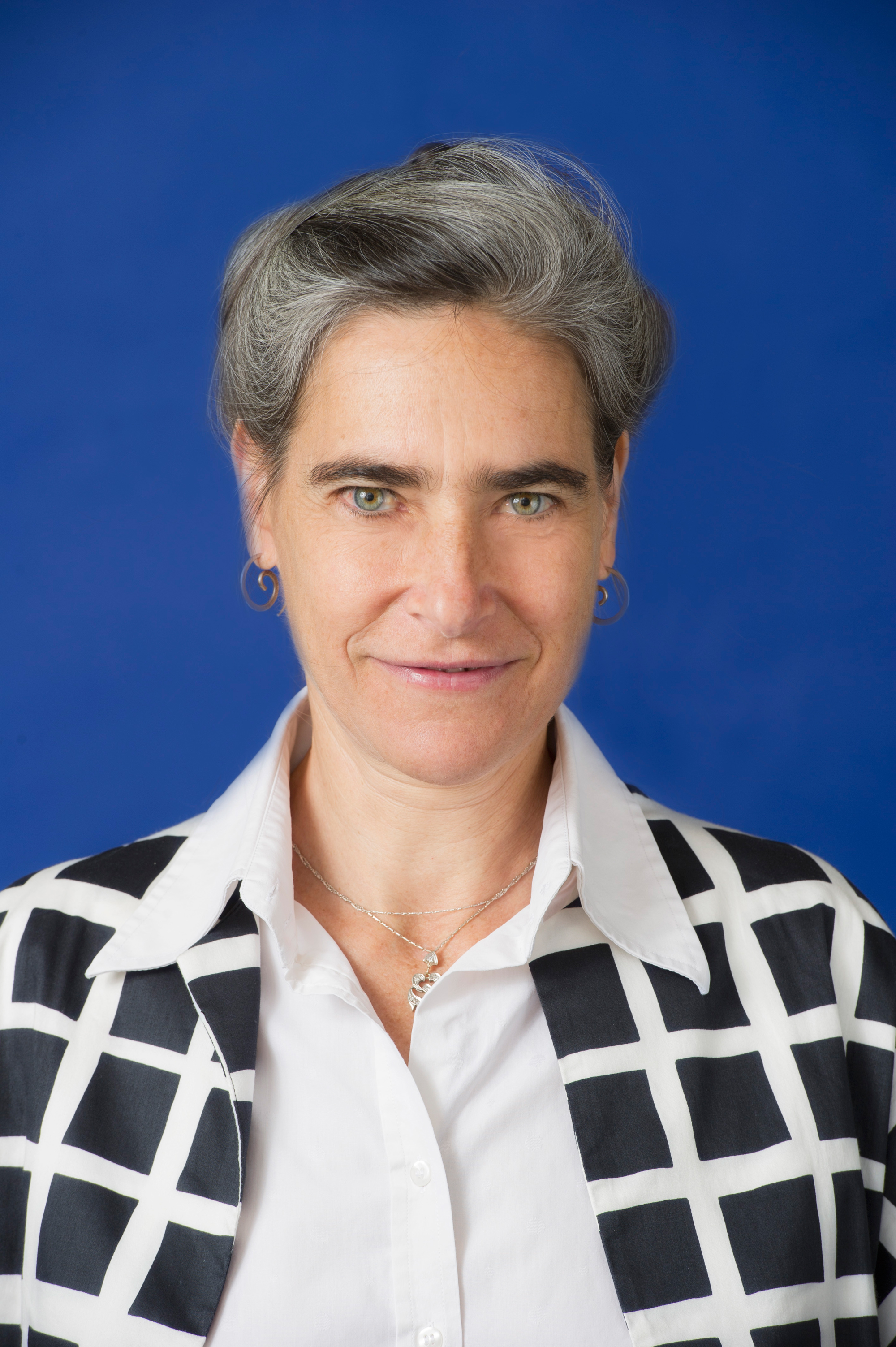
Sarah Chayes is internationally recognized for her innovative thinking on corruption and its implications. Her work explores how severe corruption can help prompt such crises as terrorism, revolutions and their violent aftermaths, and environmental degradation.
Recent Work
Sarah Chayes
Carnegie does not take institutional positions on public policy issues; the views represented herein are those of the author(s) and do not necessarily reflect the views of Carnegie, its staff, or its trustees.
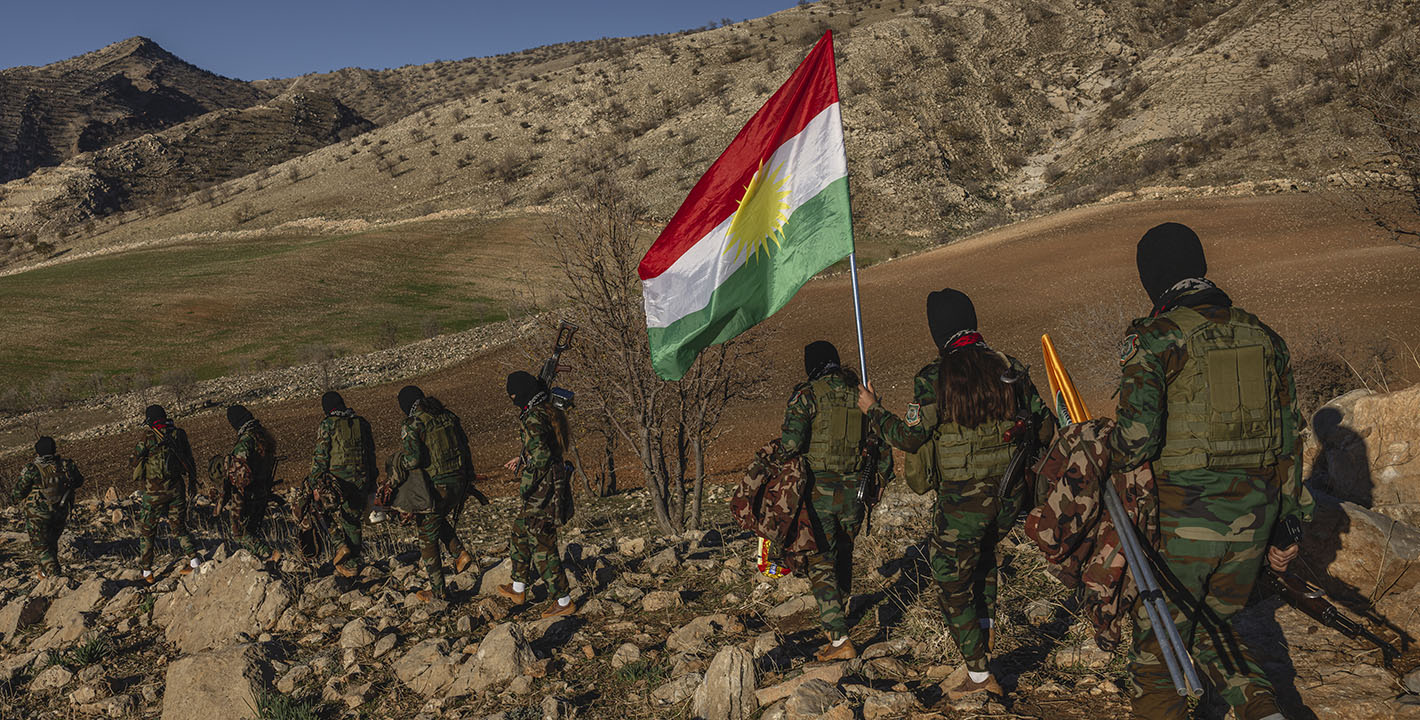
Following its deal with the United States, Iran may act against Iraq-based dissidents.
Wladimir van Wilgenburg
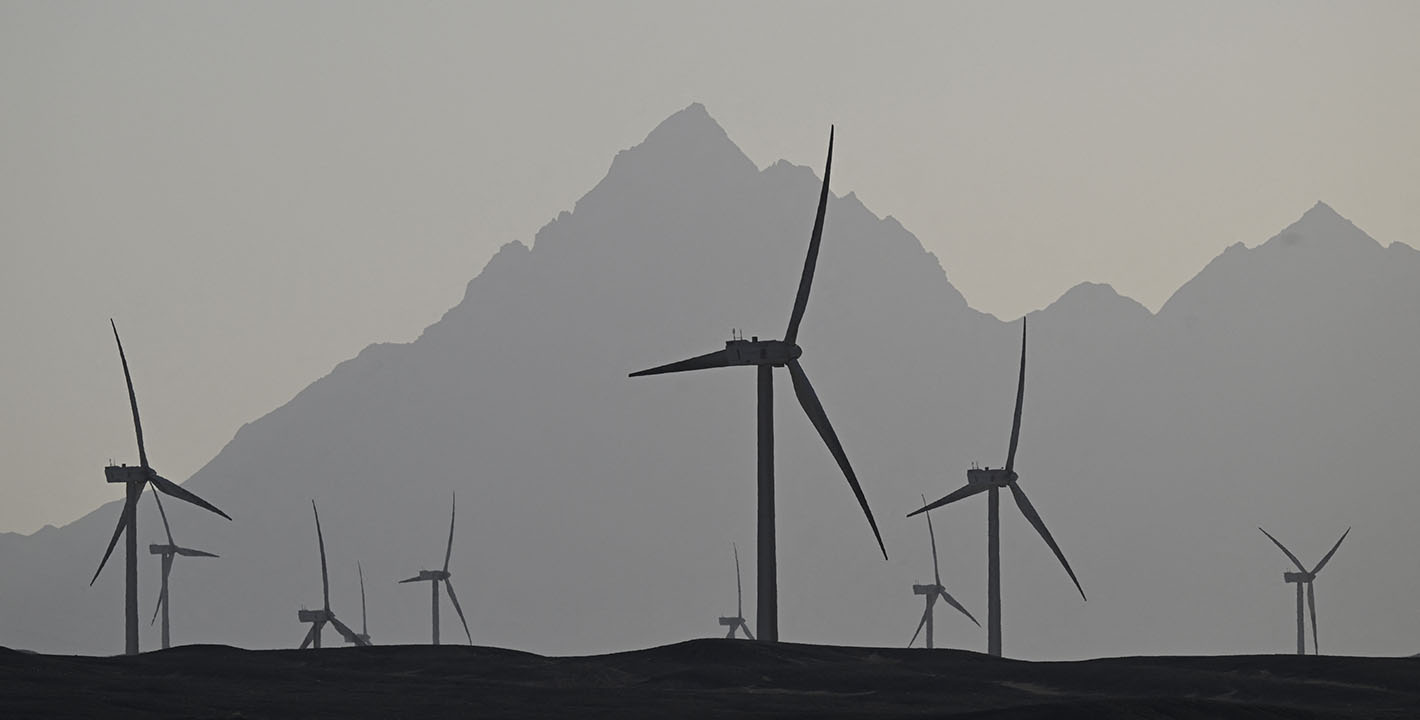
There is a disturbing structural parallel between the old global energy economy and the new green transition.

Angie Omar

This will be the region’s most representative tournament, amid broad changes in its footballing landscape.

Issam Kayssi
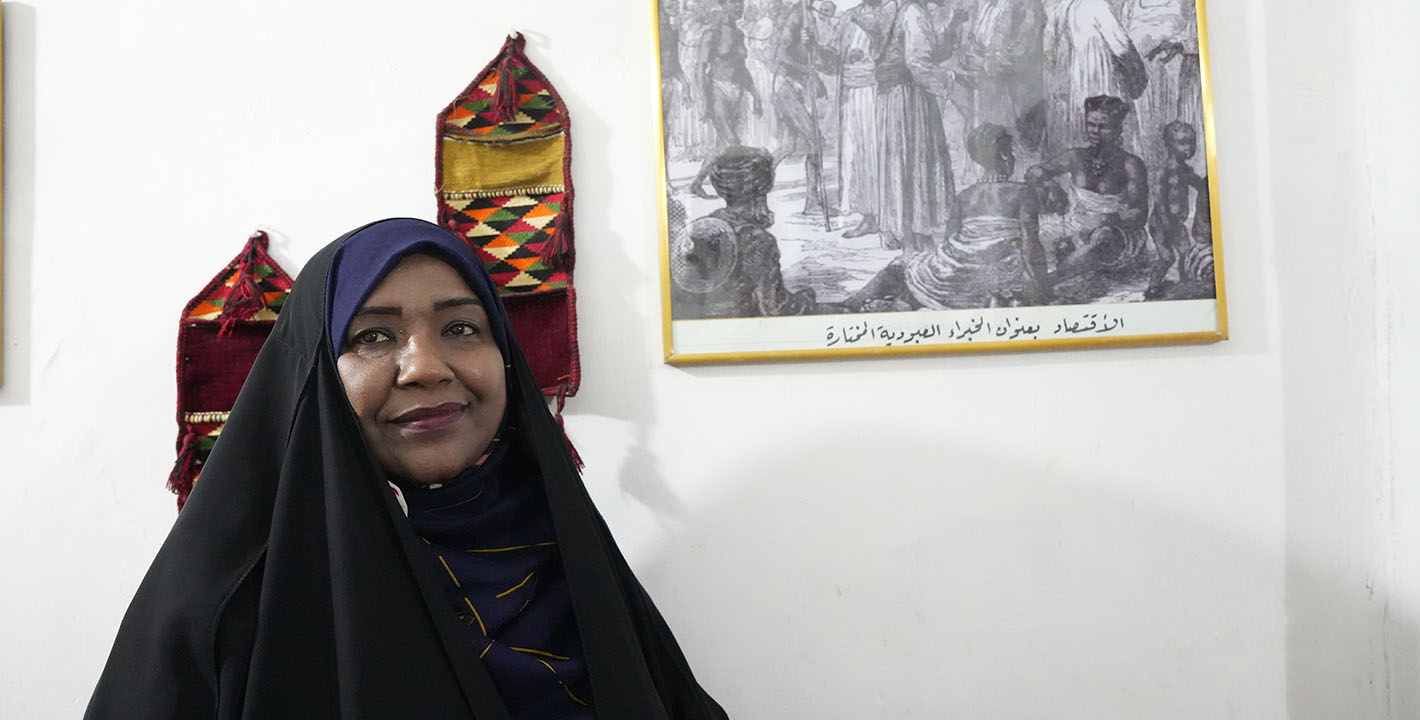
In Basra, an ethnoracial minority wages a constant struggle to assert itself in the face of marginalization.
Zeinab Shuker
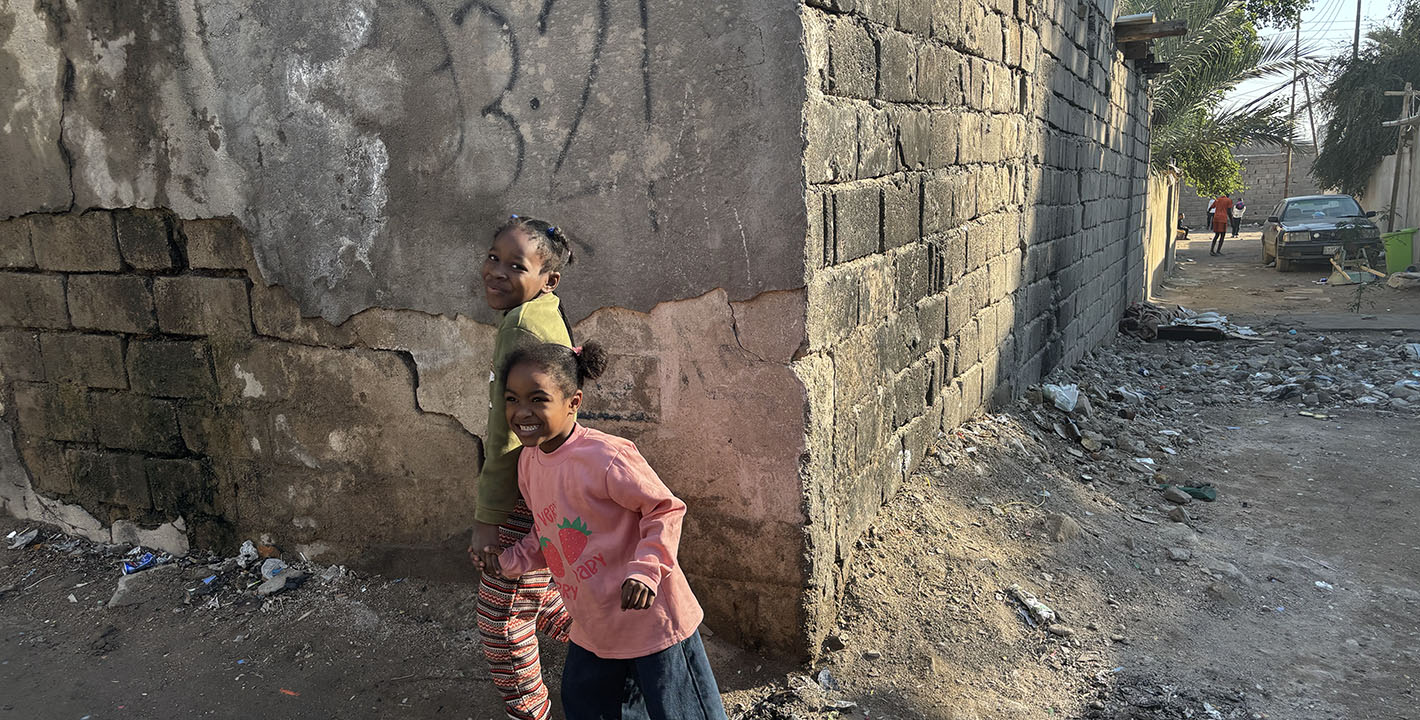
Afro-Iraqis experience political, economic, and social marginalization and discrimination, which exposes the poorest members of the community to the harsh realities of the region’s climate disaster.
Zeinab Shuker