

Research
- +8
William J. Burns, Michael Chertoff, Catherine Ashton, …
{
  "authors": [
    "William J. Burns"
  ],
  "type": "legacyinthemedia",
  "centerAffiliationAll": "",
  "centers": [
    "Carnegie Endowment for International Peace",
    "Malcolm H. Kerr Carnegie Middle East Center"
  ],
  "collections": [],
  "englishNewsletterAll": "",
  "nonEnglishNewsletterAll": "",
  "primaryCenter": "Carnegie Endowment for International Peace",
  "programAffiliation": "",
  "programs": [],
  "projects": [],
  "regions": [
    "North America",
    "United States",
    "Middle East",
    "North Africa",
    "East Asia",
    "Russia",
    "Eastern Europe",
    "Egypt",
    "Gulf",
    "Levant",
    "Maghreb"
  ],
  "topics": [
    "Political Reform",
    "Security",
    "Democracy",
    "Foreign Policy"
  ]
}
Source: Getty
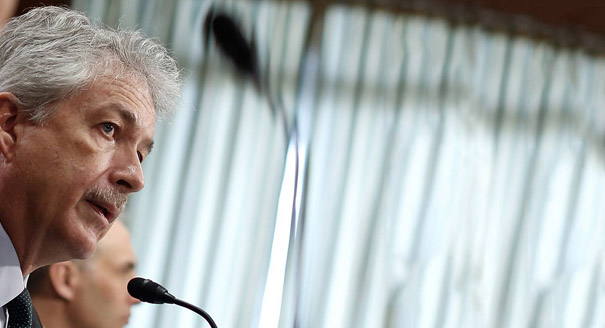
Ambassador William Burns, president of the Carnegie Endowment, discusses his diplomatic career and the issues currently impacting today’s world.
Source: NPR’s Diane Rehm Show
The late American diplomat Richard Holbrooke once said diplomacy was like jazz – “a constant improvisation on a theme.” It’s something Ambassador William J. Burns would know. He spent 33 years in the U.S. Foreign Service, playing the role of negotiator in many of the crises of our time. He was ambassador to Russia and Jordan, and he rose to become Deputy Secretary of State, only the second serving career diplomat elevated to that role. He retired from the Foreign Service recently to run the Carnegie Endowment for International Peace. Host Tom Gjelten speaks with Ambassador William Burns on his lengthy career and current issues facing today's world.
This broadcast originally appeared on NPR’s The Diane Rehm Show.
Former Carnegie President (2015-2021)
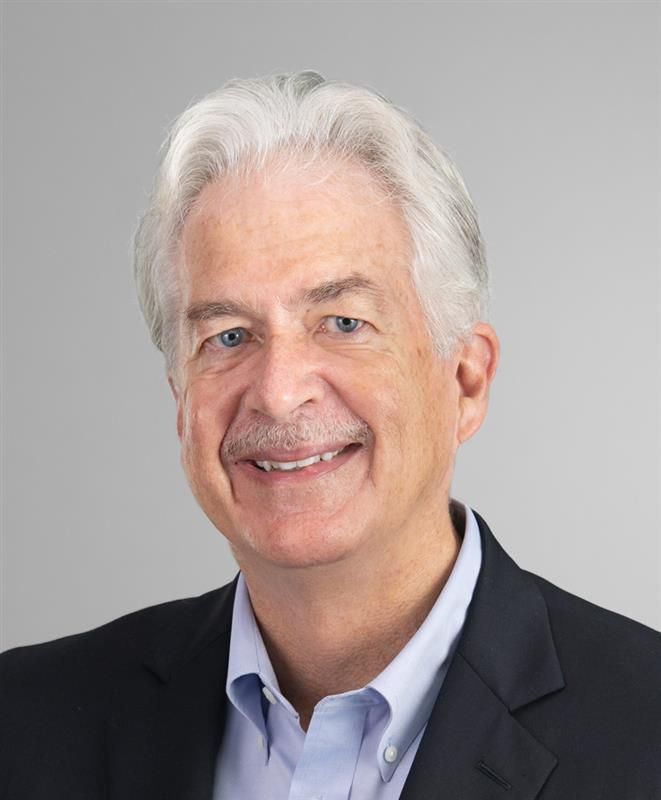
A former career diplomat, William J. Burns served as director of the CIA, deputy secretary of State, and ambassador to Russia and Jordan. Burns was also president of the Carnegie Endowment for International Peace from 2015 to 2021.
Recent Work
William J. Burns, Michael Chertoff, Catherine Ashton, …
William J. Burns
Carnegie does not take institutional positions on public policy issues; the views represented herein are those of the author(s) and do not necessarily reflect the views of Carnegie, its staff, or its trustees.

In an interview, Ian Lustick and Eli Clifton discuss their new book on why a prominent ally has so much influence in America.

Michael Young

As the U.S. stumbles in its war with Iran, we are likely to see an acceleration of its disengagement from the region.
Michael Young
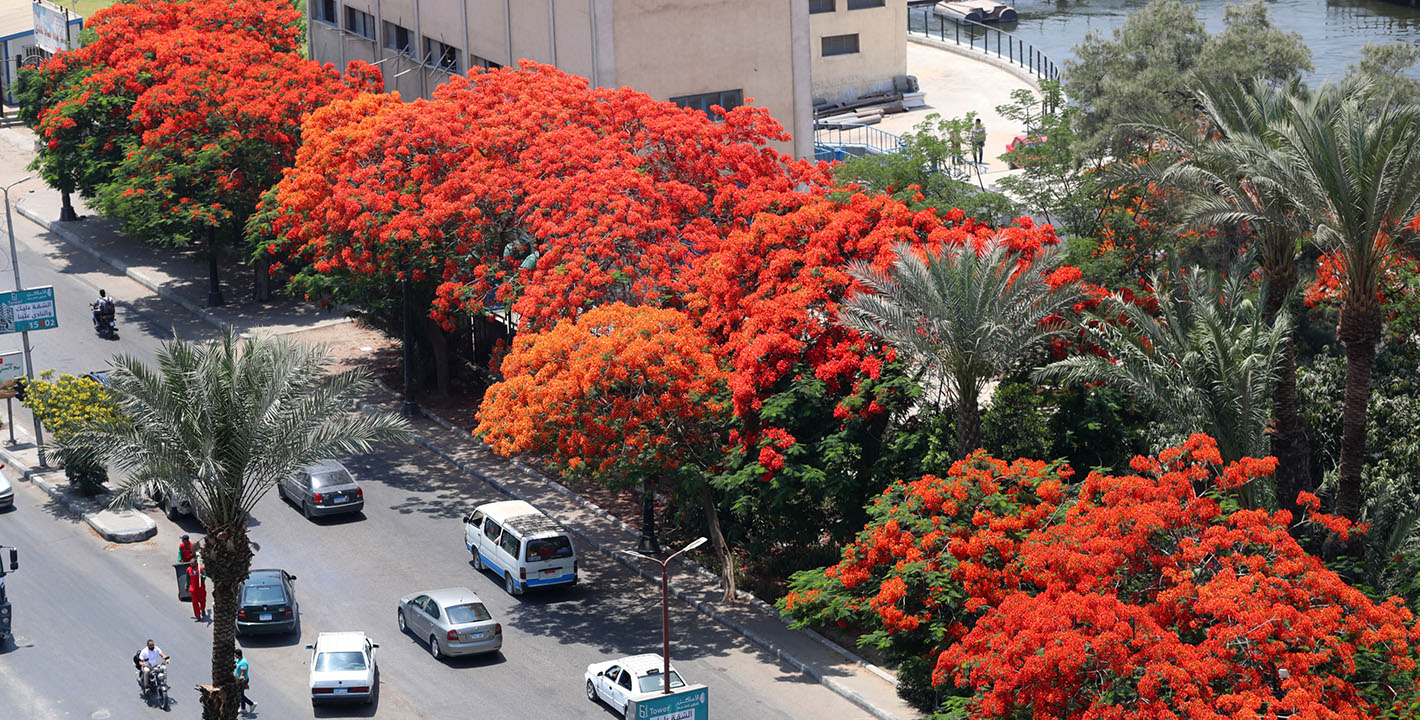
In Egypt’s dense cities, the disappearance of foliage has health implications and punishes daily commuters.

Angie Omar
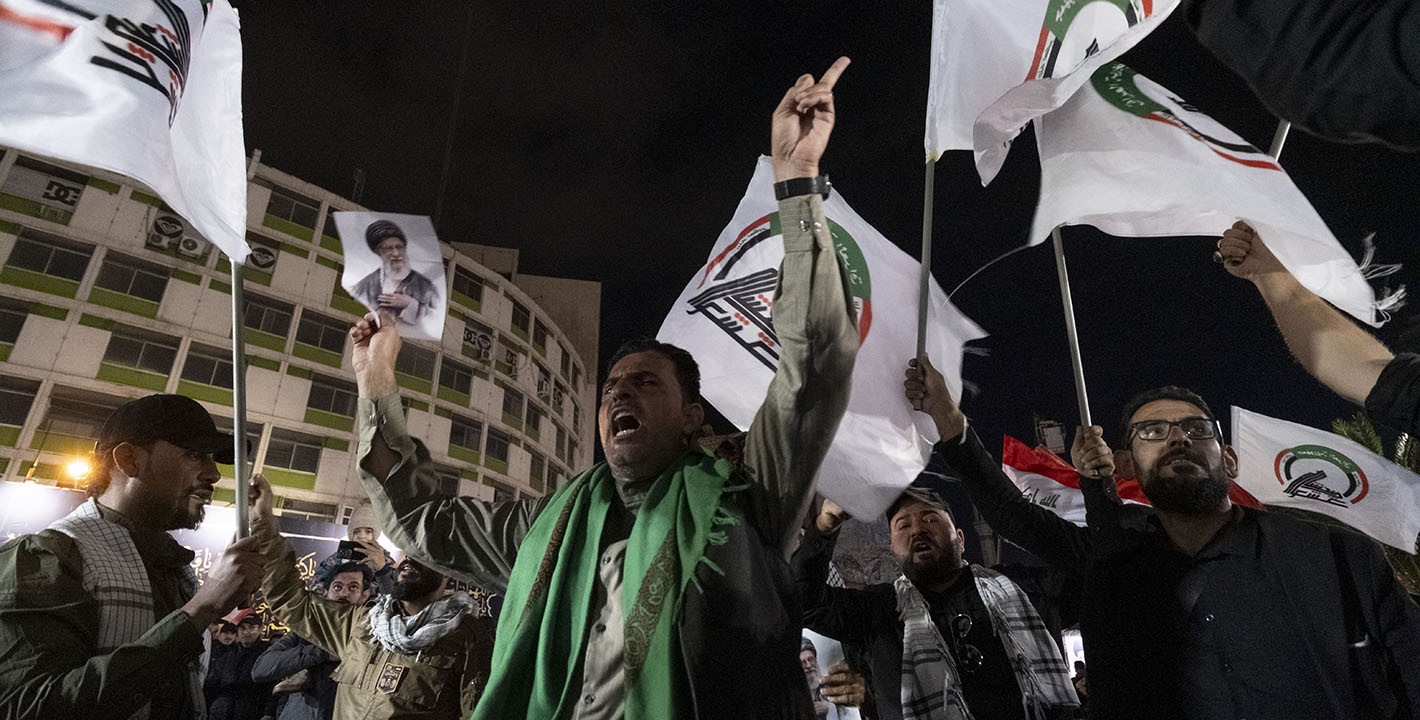
The Zaidi government’s objective to collect weapons is constrained by regional conflict, but it can take certain measures at home.
Ali Al-Mawlawi

Huawei pushed hard to enter the Egyptian data centers market, until the Americans made a better offer.
Angie Omar