

Research
- +6
Yasmine Farouk, Nathan J. Brown, Maysaa Shuja Al-Deen, …
{
  "authors": [
    "Intissar Fakir"
  ],
  "type": "legacyinthemedia",
  "centerAffiliationAll": "dc",
  "centers": [
    "Carnegie Endowment for International Peace"
  ],
  "collections": [
    "Arab Awakening"
  ],
  "englishNewsletterAll": "menaTransitions",
  "nonEnglishNewsletterAll": "",
  "primaryCenter": "Carnegie Endowment for International Peace",
  "programAffiliation": "MEP",
  "programs": [
    "Middle East"
  ],
  "projects": [],
  "regions": [
    "North Africa",
    "Tunisia"
  ],
  "topics": [
    "Political Reform",
    "Democracy",
    "Security"
  ]
}
Source: Getty
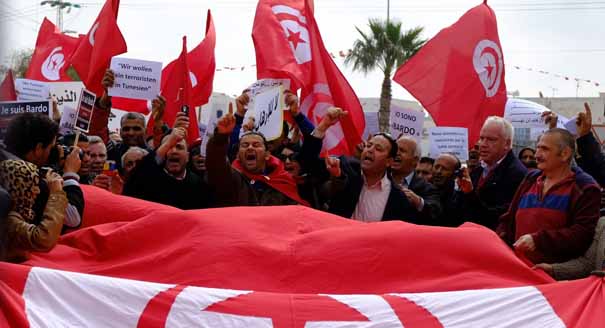
The recent terror attack at the Bardo Museum in Tunis poses a new challenge to Tunisia’s post-revolution political system.
Source: National
Last month’s terrorist attack at the Bardo Museum in Tunis presents a new challenge for Tunisia’s political system. While the threat of extremism is not new, previously the Tunisian security state could respond with few political considerations. But the country’s post-revolution system requires something different. For Nidaa Tounes, the secular political alliance leading the government coalition, this may not create any particular strains, but the Ennahda party could struggle to find balance.
Responses to the attack have reflected unity among Tunisia’s politicians and candid self-reflection about the country’s security flaws. Leaders have acknowledged shortcomings requiring international support.
But Ennahda’s reaction to the Bardo attack was closely watched, not just for the expected condemnation, but also for indications that the party is committed to combating extremism.
Ennahda indicated that “standing with the government is an obligation”. The party called for a conference to set a comprehensive counter-terrorism strategy that includes supporting security forces and referenced hastening the adoption of a controversial antiterrorism law currently in parliament. In doing so, Ennahda echoed calls by other political groups. But for Ennahda the calculus is complicated. As the group’s MP Mehrezia Labidi explained: “We don’t want terrorism to draw us back to despotism.” For the party, that puzzle is hard to solve, as toughening their stance on extremism might inadvertently allow for legislation that could be used against them and their constituents.
Nonetheless, Nidaa Tounes and the country’s secular leadership seem to approach the problem more as a technocratic security challenge than as a way to increase their leverage over Ennahda. And together, they seem focused on the need to augment antiterrorism measures.
Tunisia’s Islamists have already learned that they cannot be seen to be soft on religious extremism, nor turn a blind eye to incitements to violence in the name of religion.
When it was in power, Ennahda was cited for failing to address growing signs of violent religious extremism in Tunisia. But in the aftermath of Tunisia’s two political assassinations in 2013, secularists criticised Ennahda for not taking a more aggressive approach towards extremists.
While Ennahda itself has fully embraced democracy, years of exile have them worried that their opponents will use any excuse to exclude them from politics or worse. Therefore, the process to debate, amend and eventually pass the terrorism law of 2013 is now of great importance to Ennahda. Ensuring the law’s passage is perhaps the opportunity Ennahda needs to brandish its security credentials. Although the current law seems less draconian than the Ben Ali-era bill of 2003, it still curtails some civil liberties.
The law is under special committee review in parliament, and is expected to reach the plenary by mid-May. But beyond supporting the current terrorism legislation, Ennahda will need to articulate a clear strategy for how to deal with extremist ideology and individuals who support violent actions.
These debates give reason for optimism. Tunisia’s politics have demonstrated tremendous resilience over the past few years. There are still those in the country’s secular left who consider Ennahda akin to an extremist religious group, but this sentiment remains limited.
And for most Tunisians, the presence of Ennahda in Tunisia’s political landscape demonstrates inclusiveness and openness.
As Mr Labidi asserted: “Our presence in the political scene is one guarantee against terrorism.”
Ennahda’s considerations reflect the country’s struggle to balance out democratic progress. The fact that this debate is taking place at all is a positive indication.
While Tunisia has a long road ahead to address social discontent and security gaps, it is better able to do this when all its parties have a stake in the future.
Former Fellow, Middle East Program, Editor in Chief, Sada
Intissar Fakir was a fellow and editor in chief of Sada in Carnegie’s Middle East Program.
Recent Work



Yasmine Farouk, Nathan J. Brown, Maysaa Shuja Al-Deen, …
Intissar Fakir
Carnegie does not take institutional positions on public policy issues; the views represented herein are those of the author(s) and do not necessarily reflect the views of Carnegie, its staff, or its trustees.

The armed forces champion a form of capitalism that is generating revenue, but its reliance on rent faces diminishing returns, leaving the country with massive sunk costs and deferred returns, deepening dependency on external borrowing.

Yezid Sayigh
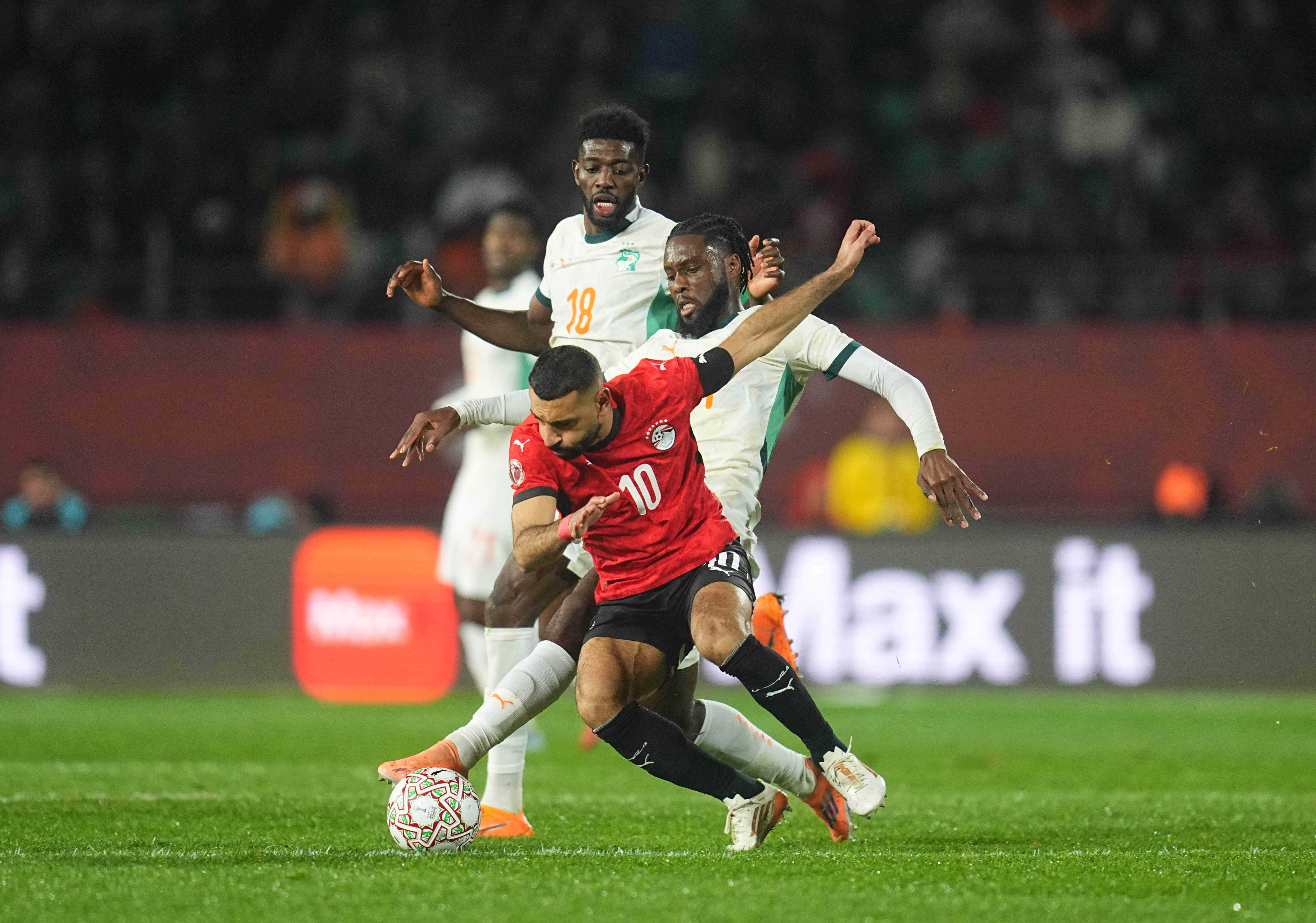
This will be the region’s most representative tournament, amid broad changes in its footballing landscape.

Issam Kayssi
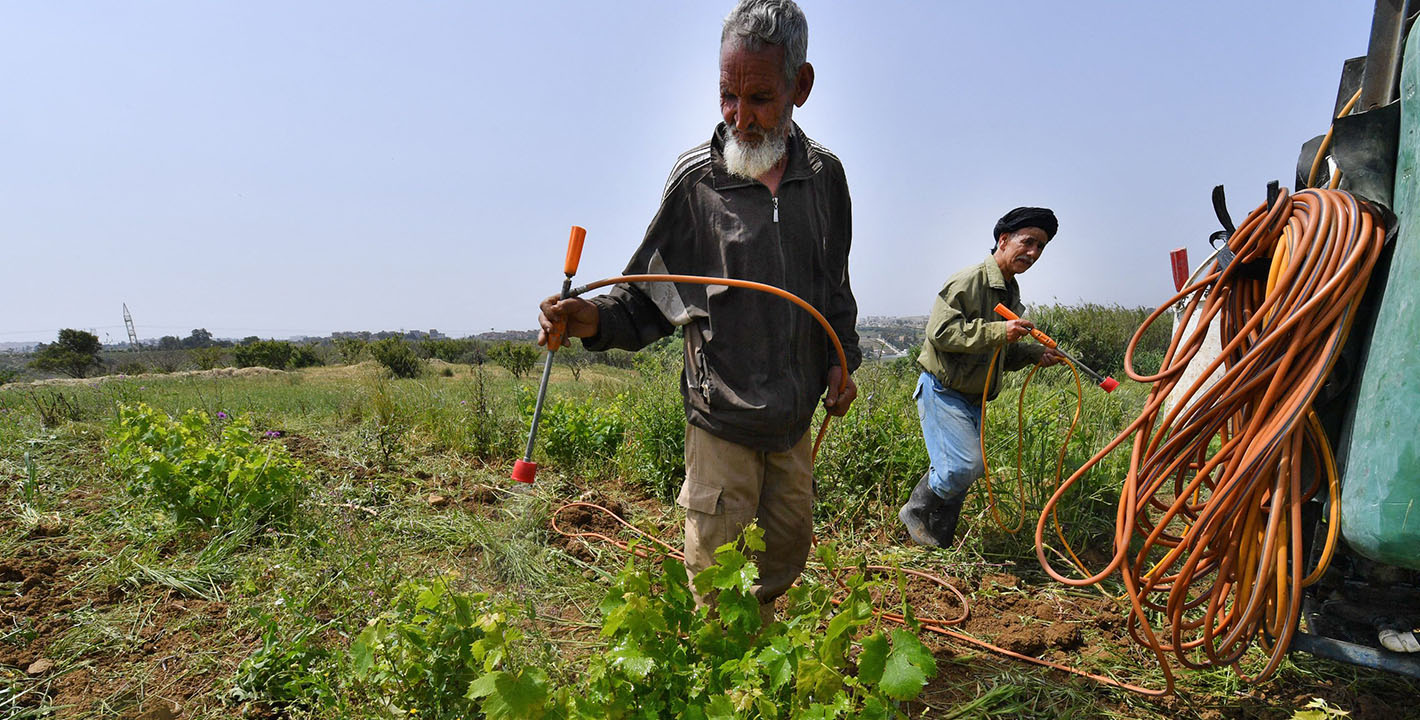
Understanding how farmers in the Oued Sahel-Soummam Valley grapple with climate change is essential for addressing the paradoxes through which adaptation, operating at both individual and institutional levels, deepens the region’s vulnerability and erodes the social fabric and agrarian identity that once defined life.
Ilyssa Yahmi
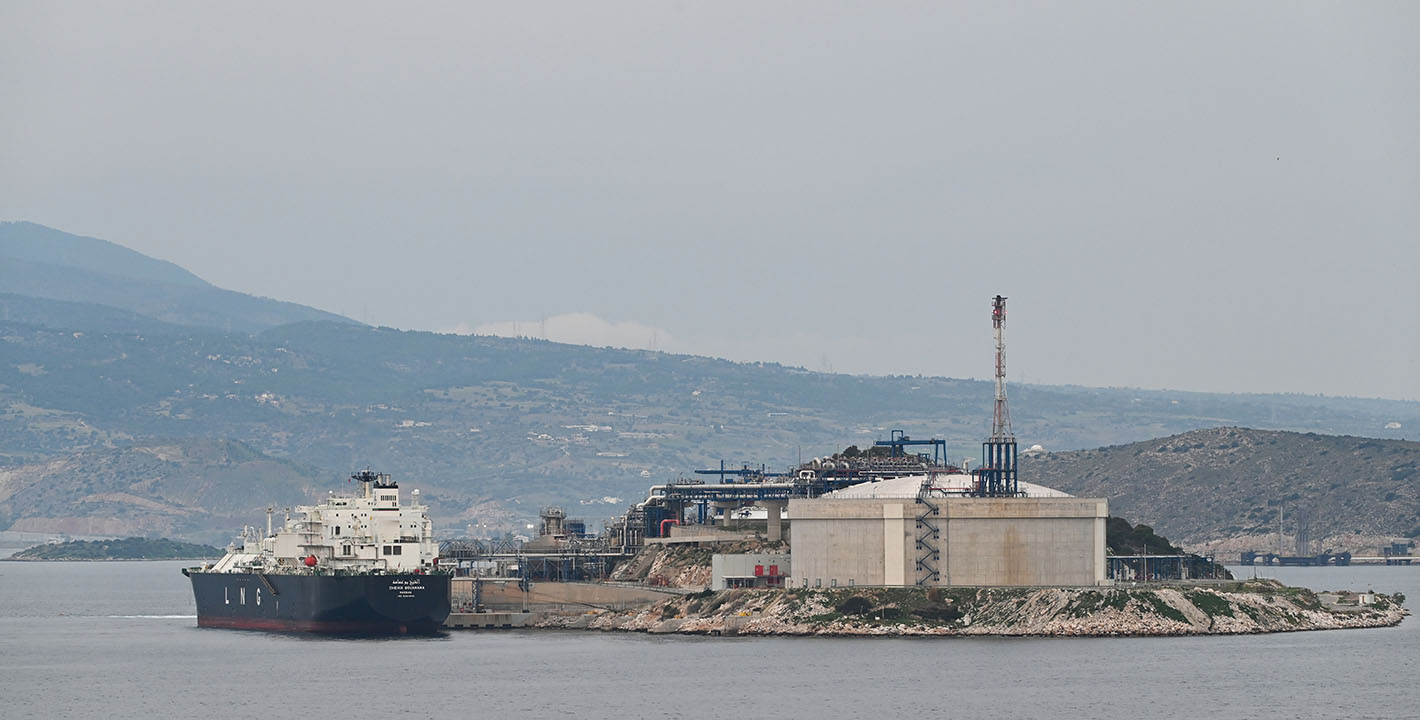
Unless the European Union-led energy transition provides economic development to Algeria, Morocco, and Tunisia, the process may be perceived as a new form of extraction.

Yasmine Zarhloule

Just look at Iraq in 1991.

Marwan Muasher