

Article
Frederic Grare
{
  "authors": [
    "Frederic Grare"
  ],
  "type": "legacyinthemedia",
  "centerAffiliationAll": "dc",
  "centers": [
    "Carnegie Endowment for International Peace"
  ],
  "collections": [],
  "englishNewsletterAll": "ctw",
  "nonEnglishNewsletterAll": "",
  "primaryCenter": "Carnegie Endowment for International Peace",
  "programAffiliation": "SAP",
  "programs": [
    "South Asia"
  ],
  "projects": [],
  "regions": [
    "South Asia",
    "India",
    "Western Europe",
    "France"
  ],
  "topics": [
    "Economy",
    "Security",
    "Foreign Policy"
  ]
}
Source: Getty
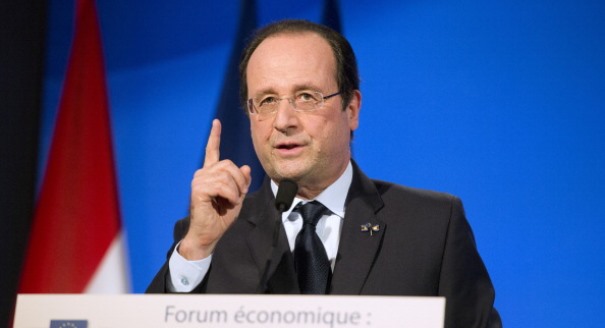
Indian and French policies are increasingly converging on ensuring stability in the Indian Ocean.
Source: CNN-IBN
As Prime Minister Narendra Modi on Thursday left for his 3-nation visit of France, Canada, and Germany, CNN-IBN’s Executive Editor Zakka Jacob discussed the key issues between India and France with panel of experts, including Carnegie’s Frederic Grare.
The discussion began with India’s potential acquisition of Rafale fighter aircraft from French manufacturer Dassault. Grare explained that while the deal has been in the works for years, it increasingly appears as though it will fall through. Even if it were concluded, Grare raised the question of India's capacity to absorb the technology transfers that it would entail. Grare also discussed the potential sale of French radar technology to India for use in the Indian Ocean, seeing it as an important aspect of Indian and French convergence on ensuring stability in the Indian Ocean. Finally, Grare commented on the progress of nuclear negotiations with Iran and the consequences for India, cautioning that “a framework is not a deal.”
Former Nonresident Senior Fellow, South Asia Program
Frédéric Grare was a nonresident senior fellow at the Carnegie Endowment for International Peace, where his research focuses on Indo-Pacific dynamics, the search for a security architecture, and South Asia Security issues.
Recent Work
Frederic Grare
Frederic Grare
Carnegie does not take institutional positions on public policy issues; the views represented herein are those of the author(s) and do not necessarily reflect the views of Carnegie, its staff, or its trustees.

In an interview, Ian Lustick and Eli Clifton discuss their new book on why a prominent ally has so much influence in America.

Michael Young

By failing to address Palestinian representation, the current process is bound to lead to just another temporary arrangement.

Nathan J. Brown

The armed forces champion a form of capitalism that is generating revenue, but its reliance on rent faces diminishing returns, leaving the country with massive sunk costs and deferred returns, deepening dependency on external borrowing.

Yezid Sayigh
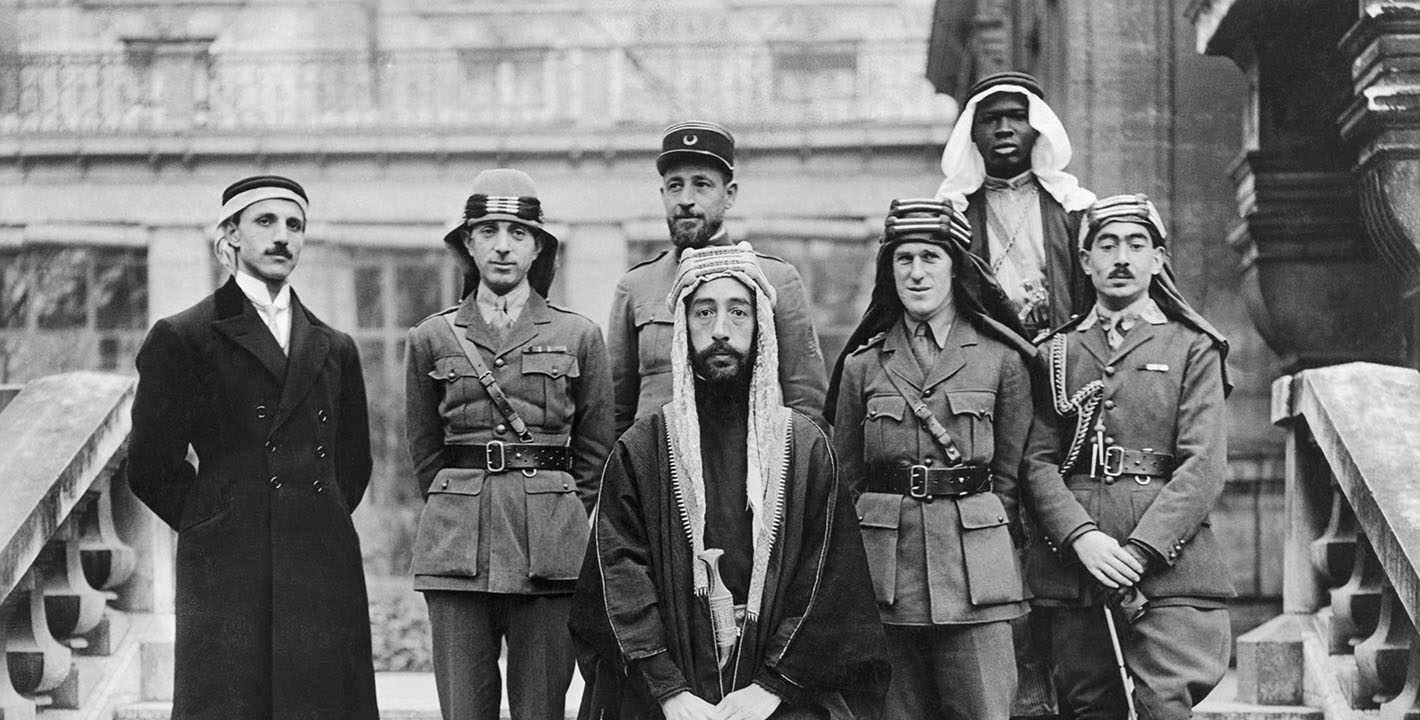
In an interview, Elizabeth Thompson recalls how the country formulated a liberal constitution in 1920, before being denied by France and Britain.
Michael Young

Just look at Iraq in 1991.

Marwan Muasher