

Q&A
Stephen Tankel
{
  "authors": [
    "Stephen Tankel"
  ],
  "type": "legacyinthemedia",
  "centerAffiliationAll": "dc",
  "centers": [
    "Carnegie Endowment for International Peace"
  ],
  "collections": [],
  "englishNewsletterAll": "ctw",
  "nonEnglishNewsletterAll": "",
  "primaryCenter": "Carnegie Endowment for International Peace",
  "programAffiliation": "SAP",
  "programs": [
    "South Asia"
  ],
  "projects": [],
  "regions": [
    "South Asia",
    "India",
    "Afghanistan",
    "Pakistan"
  ],
  "topics": [
    "Foreign Policy"
  ]
}
Source: Getty
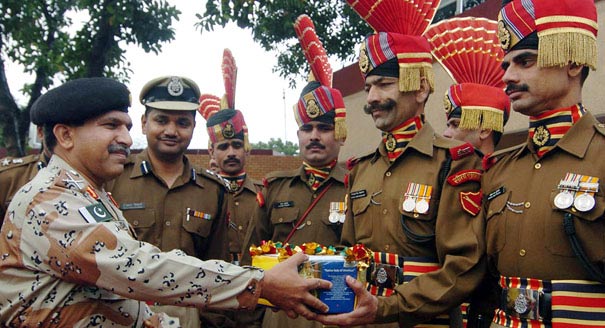
There is a lot to unpack in terms of how New Delhi and Washington each views Pakistan’s role in Afghanistan.
Source: War on the Rocks
Last week, I had the privilege to speak with a small group of Indian parliamentarians who were visiting the United States. The subject was U.S. policy in South and Central Asia. After offering remarks we turned to discussion. No surprise – U.S. policy toward Pakistan consumed much of the remainder of the session. A key point of contention was whether the United States was abandoning Afghanistan to Pakistani influence-cum-subjugation. There’s a lot to unpack in terms of how New Delhi and Washington each views Pakistan’s role in Afghanistan. It’s also probably impossible to separate those views from how Washington and New Delhi see one another’s ongoing engagement in Afghanistan.
For most of the decade after 9/11, the United States viewed Indian involvement in Afghanistan through the prism of Pakistani sensitivities. That approach has changed in the last lustrum, perhaps not surprisingly as U.S. perceptions of Pakistan have grown less positive. Today, the U.S. government would arguably like to see India do more, not less in Afghanistan, though both Washington and New Delhi appear to agree that putting Indian boots on the ground is a bad idea. As U.S. forces continue to draw down in Afghanistan, the desire for India to become a net security provider in the region is likely to grow stronger. Yet if New Delhi is not going to put troops in Afghanistan – and right now few people are arguing that it should – then how else might Indian involvement contribute to stability in the wake of the U.S. withdrawal?A new policy memo by Alyssa Ayres – a former Assistant Secretary of State for South Asia and who now resides at the Council on Foreign Relations – offers a cogent and balanced look at how to leverage India’s strengths to contribute to Afghanistan’s stability. Specifically, Ayres wades into some of the thornier issues related to Indian security assistance, which if it increased would surely cause even more anxiety in Rawalpindi. To that, Ayres replies that Indian collaboration in Afghanistan involving no Indian troops on the ground should not be subject to a Pakistani veto. Policymakers will need to balance the compelling case Ayres makes with myriad other concerns as they calculate how best to secure U.S. interests in the region and avoid rising instability. Those tasked with making these decisions, and people who simply want to know more about the options at hand should take note of what Ayres has to say.
Former Nonresident Scholar, South Asia Program
Tankel was a nonresident scholar at the Carnegie Endowment, where his research focuses on insurgency, terrorism, and the evolution of nonstate armed groups.
Recent Work
Stephen Tankel
Stephen Tankel
Carnegie does not take institutional positions on public policy issues; the views represented herein are those of the author(s) and do not necessarily reflect the views of Carnegie, its staff, or its trustees.

By failing to address Palestinian representation, the current process is bound to lead to just another temporary arrangement.

Nathan J. Brown

Just look at Iraq in 1991.

Marwan Muasher
A coalition of states is seeking to avert a U.S. attack, and Israel is in the forefront of their mind.

Michael Young

Baku may allow radical nationalists to publicly discuss “reunification” with Azeri Iranians, but the president and key officials prefer not to comment publicly on the protests in Iran.

Bashir Kitachaev
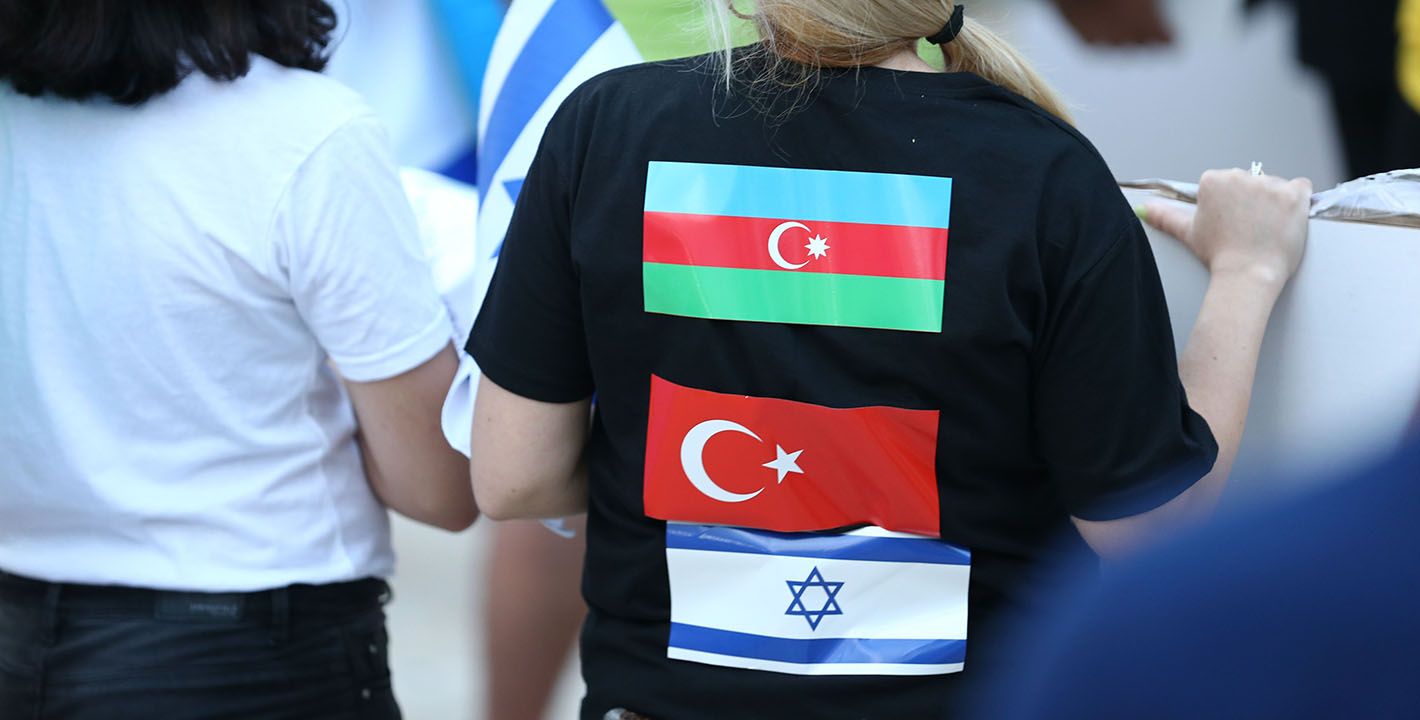
The country’s leadership is increasingly uneasy about multiple challenges from the Levant to the South Caucasus.

Armenak Tokmajyan