

Commentary
In an interview, Ian Lustick and Eli Clifton discuss their new book on why a prominent ally has so much influence in America.
Michael Young
{
  "authors": [
    "Stephen Tankel",
    "Ryan Evans",
    "Erin Simpson",
    "Francis Gavin"
  ],
  "type": "legacyinthemedia",
  "centerAffiliationAll": "dc",
  "centers": [
    "Carnegie Endowment for International Peace"
  ],
  "collections": [],
  "englishNewsletterAll": "ctw",
  "nonEnglishNewsletterAll": "",
  "primaryCenter": "Carnegie Endowment for International Peace",
  "programAffiliation": "SAP",
  "programs": [
    "South Asia"
  ],
  "projects": [],
  "regions": [
    "South Asia"
  ],
  "topics": [
    "Foreign Policy"
  ]
}
Source: Getty
Is scholarship relevant to the policymaker? Is the academy preparing people to go into the policy world?
Source: War on the Rocks
The Schoolhouse series of the War on the Rocks podcast is concerned with the intersection between policy and the academy. Is scholarship relevant to the policymaker? Is the academy preparing people to go into the policy world? Guests grappled with these questions and more, telling their own stories of how they came be involved as scholars in the policy world, in the field in Afghanistan, and the private sector. This episode had Frank Gavin of MIT, Erin Simpson of Caerus Associates, and Stephen Tankel of American University. Gavin noted that the incentives for graduate students work against getting involved in policy early in their careers. Simpson discussed the role that her experience working in Afghanistan had in her intellectual and career development, and Tankel explained how a policy fellowship in the Pentagon made him a better researcher.
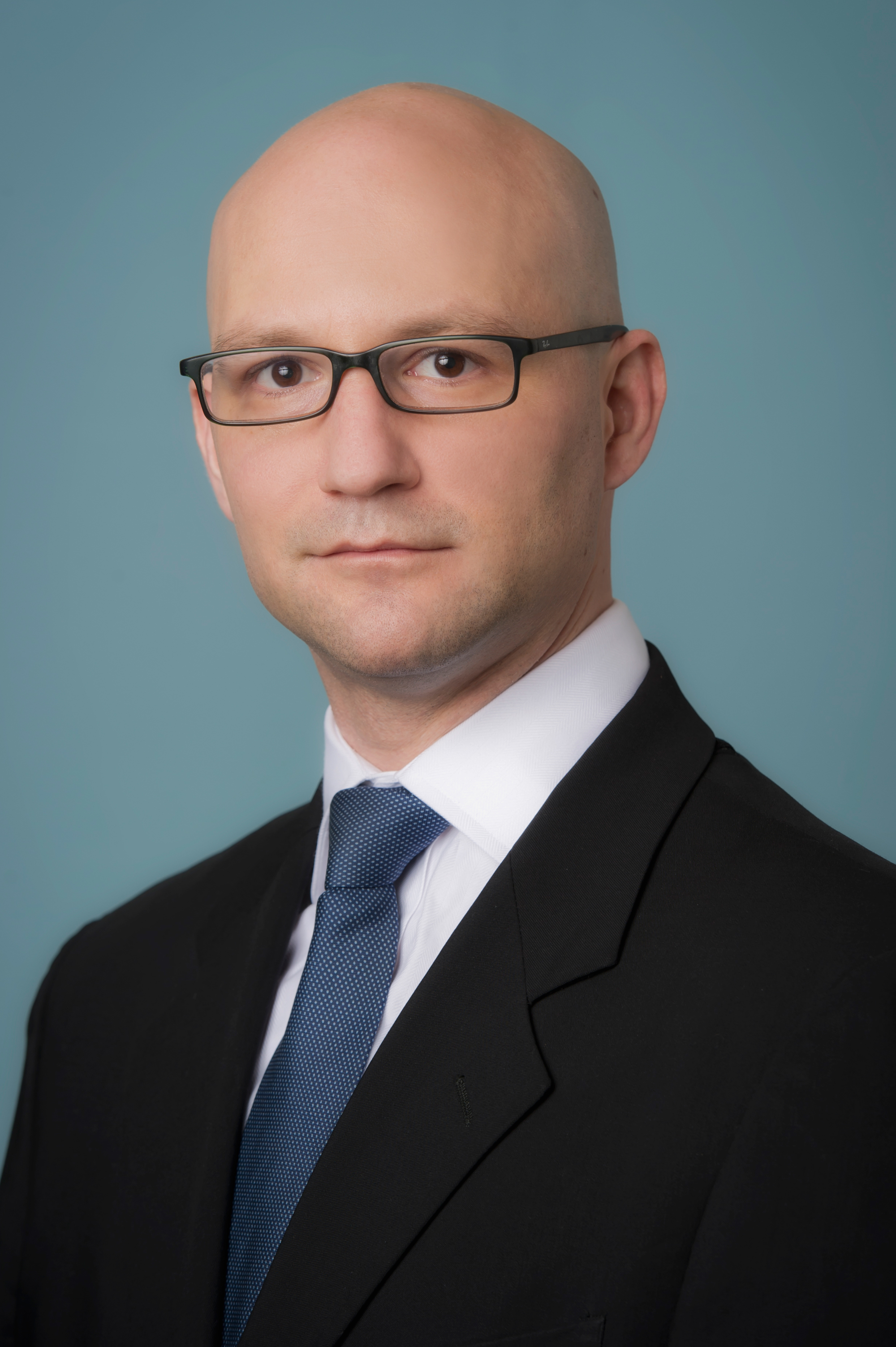
Former Nonresident Scholar, South Asia Program
Tankel was a nonresident scholar at the Carnegie Endowment, where his research focuses on insurgency, terrorism, and the evolution of nonstate armed groups.
Ryan Evans
War on the Rocks
Erin Simpson
Caerus Associates
Francis Gavin
MIT
Carnegie does not take institutional positions on public policy issues; the views represented herein are those of the author(s) and do not necessarily reflect the views of Carnegie, its staff, or its trustees.

In an interview, Ian Lustick and Eli Clifton discuss their new book on why a prominent ally has so much influence in America.

Michael Young

By failing to address Palestinian representation, the current process is bound to lead to just another temporary arrangement.

Nathan J. Brown

Just look at Iraq in 1991.

Marwan Muasher

A coalition of states is seeking to avert a U.S. attack, and Israel is in the forefront of their mind.
Michael Young

Baku may allow radical nationalists to publicly discuss “reunification” with Azeri Iranians, but the president and key officials prefer not to comment publicly on the protests in Iran.

Bashir Kitachaev