

Paper
Douglas H. Paal
{
  "authors": [
    "Douglas H. Paal"
  ],
  "type": "legacyinthemedia",
  "centerAffiliationAll": "dc",
  "centers": [
    "Carnegie Endowment for International Peace"
  ],
  "collections": [],
  "englishNewsletterAll": "asia",
  "nonEnglishNewsletterAll": "",
  "primaryCenter": "Carnegie Endowment for International Peace",
  "programAffiliation": "AP",
  "programs": [
    "Asia"
  ],
  "projects": [],
  "regions": [
    "East Asia",
    "China"
  ],
  "topics": [
    "Security",
    "Military"
  ]
}
Source: Getty
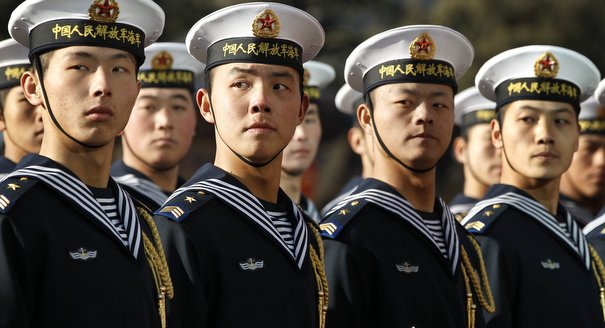
China has announced sweeping changes to its military, but there are many challenges ahead regarding the implementation of these reforms.
Source: Radio Sputnik
China has decided to create a so-called Strategic Support Force as part of its military reform, Beijing announced last week. The new agency will cover intelligence activities, informational aspects of war and special operations. Earlier China’s Defense Ministry announced that it would set up 15 new bodies covering everything from logistics to equipment development, political work and fighting corruption. According to the Defense Ministry, new units will help the military function better and consolidate the ruling Communist Party’s control. Douglas Paal, the director of the Asia program at the Carnegie Endowment for International Peace in Washington told Radio Sputnik about the main challenges the Chinese armed forces are facing in the modernization process.

Distinguished Fellow, Asia Program
Paal previously served as vice chairman of JPMorgan Chase International and as unofficial U.S. representative to Taiwan as director of the American Institute in Taiwan.
Recent Work
Douglas H. Paal


Douglas H. Paal, Tong Zhao, Chen Qi, …

The armed forces champion a form of capitalism that is generating revenue, but its reliance on rent faces diminishing returns, leaving the country with massive sunk costs and deferred returns, deepening dependency on external borrowing.

Yezid Sayigh

Just look at Iraq in 1991.

Marwan Muasher

Baku may allow radical nationalists to publicly discuss “reunification” with Azeri Iranians, but the president and key officials prefer not to comment publicly on the protests in Iran.

Bashir Kitachaev
In addressing Hezbollah’s disarmament, the Lebanese state must start by increasing its own leverage.

Michael Young
The country’s political and military establishment is still debating how to interpret the recent war’s outcome.

Nicole Grajewski