

Commentary
Marc Lynch
{
  "authors": [
    "Marc Lynch"
  ],
  "type": "legacyinthemedia",
  "centerAffiliationAll": "dc",
  "centers": [
    "Carnegie Endowment for International Peace"
  ],
  "collections": [
    "Arab Awakening"
  ],
  "englishNewsletterAll": "menaTransitions",
  "nonEnglishNewsletterAll": "",
  "primaryCenter": "Carnegie Endowment for International Peace",
  "programAffiliation": "MEP",
  "programs": [
    "Middle East"
  ],
  "projects": [],
  "regions": [
    "Middle East",
    "Jordan"
  ],
  "topics": [
    "Political Reform",
    "Democracy",
    "Economy",
    "Civil Society"
  ]
}
Source: Getty
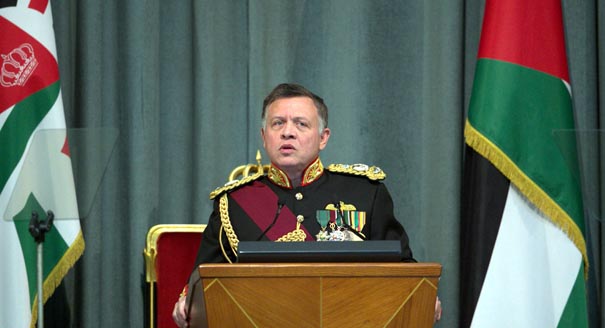
Jordan has largely weathered the regional tumult of the Arab Spring, but underlying economic class disparity and uneven development across the country remain pressing issues.
Source: Project on Middle East Political Science
Jordan has seen tremendous change in recent decades. However, investment in infrastructure and the revitalization of the country has been uneven. Carnegie’s Marc Lynch discusses economic development and the effects of the Arab Spring in Jordan with Jillian Schwedler.
This interview was originally posted at the Project on Middle East Political Science.
Former Nonresident Senior Fellow, Middle East Program
Marc Lynch was a nonresident senior fellow in Carnegie’s Middle East Program where his work focuses on the politics of the Arab world.
Recent Work
Marc Lynch
Marc Lynch
Carnegie does not take institutional positions on public policy issues; the views represented herein are those of the author(s) and do not necessarily reflect the views of Carnegie, its staff, or its trustees.

The armed forces champion a form of capitalism that is generating revenue, but its reliance on rent faces diminishing returns, leaving the country with massive sunk costs and deferred returns, deepening dependency on external borrowing.

Yezid Sayigh
There is a disturbing structural parallel between the old global energy economy and the new green transition.

Angie Omar
This will be the region’s most representative tournament, amid broad changes in its footballing landscape.

Issam Kayssi
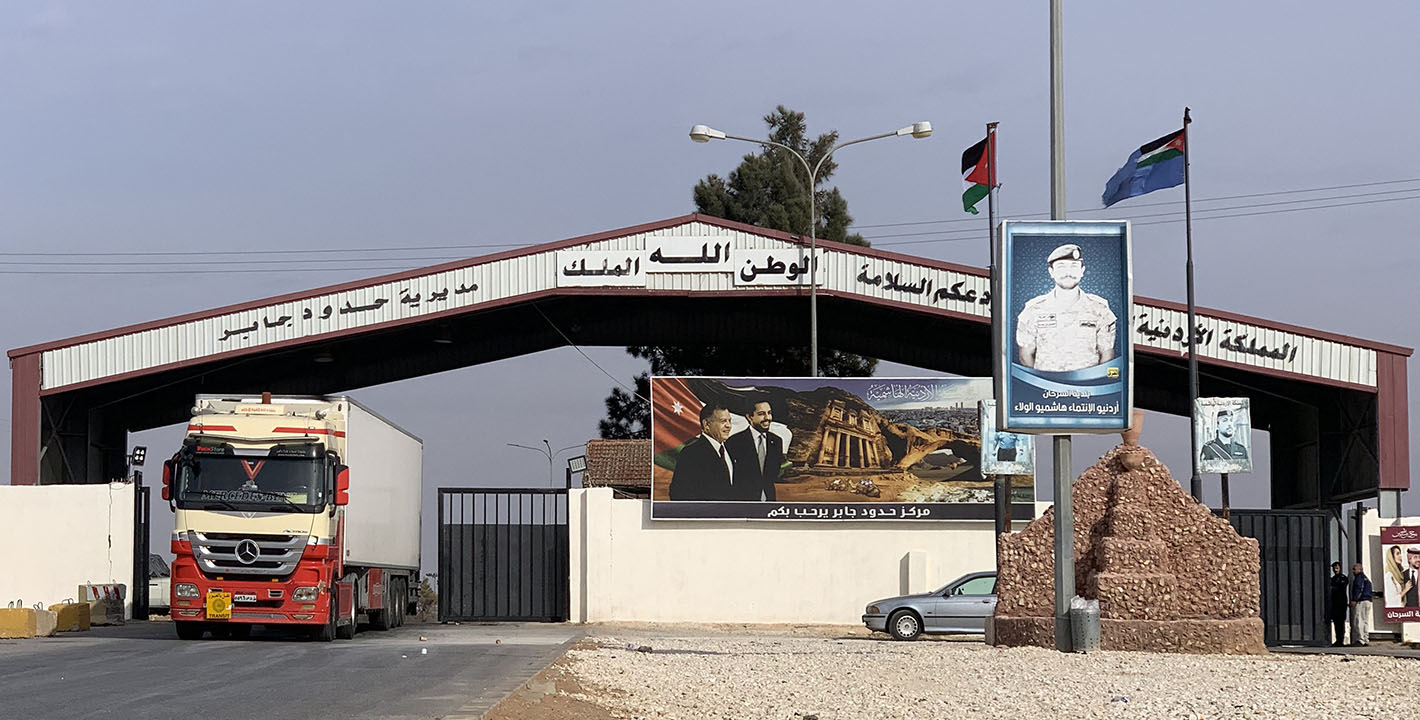
Trade statistics show why Amman has more reason than Damascus to welcome the improvement in bilateral commerce.

Armenak Tokmajyan

Just look at Iraq in 1991.

Marwan Muasher